
Some trips are about seeing as much as possible. This kind of trip is different. It is about slowing down and enjoying the place in a deeper way.
When food, wine, and architecture come together, travel feels richer. You are not just moving from one sight to the next. You are tasting, walking, noticing, and taking it all in. That is what makes a trip memorable.
If you love beautiful buildings, good meals, and a relaxed pace, this travel style may be perfect for you. In this guide, I’ll show you how to plan a trip that brings all three together without feeling rushed.
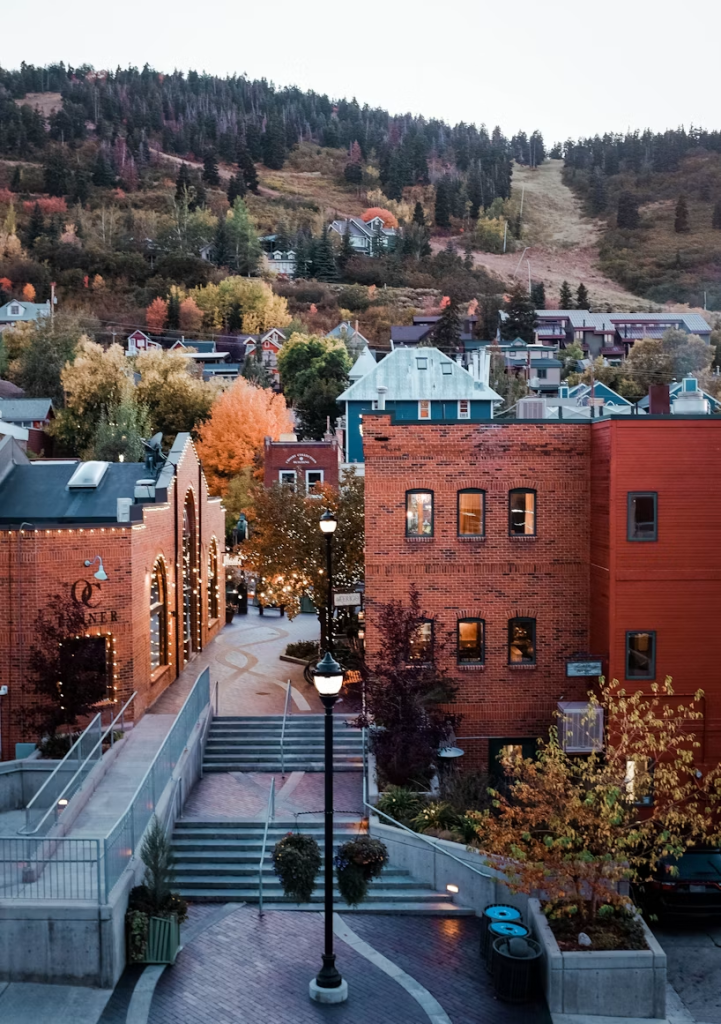
Why This Travel Style Works
Food, wine, and architecture naturally belong together. They each tell part of a place’s story.
A city’s architecture shows its history. Its food reflects local life. Its wine reveals the land, climate, and culture. When you combine them, you get a fuller travel experience.
This is also a great way to travel more slowly. Instead of filling every hour, you can plan around a few meaningful experiences each day. That makes the trip feel more enjoyable and less exhausting.
Choose the Right Destination
The first step is picking a place that fits this style of travel. Not every destination works well for food and wine focused trips. You want a place with walkable neighborhoods, strong local cuisine, good wine, and beautiful streets or buildings.
Look for places with:
- Historic city centers.
- Local markets and cafés.
- Wine regions nearby.
- Distinctive architecture.
- A mix of museums, restaurants, and scenic areas.
Some trips work best in a city. Others are better in a wine region with a charming town nearby. You can also combine both. For example, you might stay in a city for a few days and add a day trip to the countryside.
Build Your Days Around Experiences

A good itinerary does not need to be packed. It needs to feel balanced. Try to plan one main activity in the morning and one in the afternoon, with meals acting as anchors.
For example:
- Morning: guided architecture walk.
- Lunch: local restaurant or market meal.
- Afternoon: wine tasting or museum visit.
- Evening: relaxed dinner in a neighborhood you want to explore.
This keeps the day interesting without overloading it. It also gives you time to notice small details, which is part of the fun.
Use Food as a Planning Tool
Food can help shape the whole trip. Start by researching a few dishes, markets, or restaurants you want to try.
A few good ideas:
- Book one special dinner in advance.
- Visit a local food market early in the trip.
- Plan lunch near a major architectural site.
- Choose one neighborhood known for cafés or bakeries.
- Leave room for spontaneous stops.
This works well because food gives your itinerary rhythm. It also helps you discover more local places instead of only visiting tourist spots.
Add Wine Without Overdoing It
Wine should feel like a highlight, not a job. You do not need to visit three wineries in one day. One or two good wine experiences are usually enough.
You might choose:
- A vineyard tour.
- A tasting at a local wine bar.
- A cellar tour with lunch.
- A wine region day trip.
- A dinner with regional pairings.
If you are traveling in a city, look for wine bars that focus on local bottles. If you are in a wine region, build in time to relax between tastings. The goal is to enjoy the experience, not rush through it.
Let Architecture Shape the Route
Architecture gives your trip visual texture. It also helps you choose where to walk and what to see.
You might plan around:
- Historic districts.
- Art Nouveau or modernist buildings.
- Cathedrals, plazas, and civic spaces.
- Design-forward hotels.
- Famous landmarks and hidden streets.
Walking is one of the best ways to explore architecture. You notice more when you move slowly. So instead of hopping around too much, try to stay in one area long enough to really see it.
Sample 3-Day Itinerary
Here is a simple example of how this kind of trip can work.
Day 1: Arrival and neighborhood walk
Arrive and check into a boutique hotel or guesthouse. Take a short walk through the historic center. Enjoy a long lunch at a local restaurant. In the evening, have a quiet dinner and a glass of wine nearby.
Day 2: Architecture and tasting
Start with an architecture walking tour or museum visit. Have lunch in a café or market. Spend the afternoon at a wine bar or vineyard. End the day with dinner in a scenic neighborhood.
Day 3: Slow morning and one last stop
Sleep in a little. Have breakfast at a café you have been wanting to try. Visit one more landmark, gallery, or market. Then enjoy a relaxed lunch before heading home.
This kind of plan gives you structure without making the trip feel too busy.
Where to Stay
Your hotel matters more than you might think. For this kind of trip, choose a place that supports the pace you want.
Look for:
- A central location.
- Walkability.
- Boutique charm.
- Good breakfast options.
- Easy access to restaurants and transit.
A well-located hotel saves time and energy. It also makes it easier to return for a break during the day, which is helpful on slower trips.
Tips to Keep It Stress-Free
Here are a few simple ways to make the trip smoother:
- Book only the must-do activities ahead of time.
- Leave open space in the schedule.
- Use walking time to discover side streets and cafés.
- Pick fewer places, but enjoy them more.
- Do not try to see everything.
The best trips often have a little breathing room. That is especially true for slow travel.
Final Thoughts
A food, wine, and architecture trip is one of the most rewarding ways to travel. It helps you connect with a place in a deeper, more relaxed way. You get beauty, flavor, and culture all in one trip.
If you plan it well, the experience feels smooth instead of rushed. Start with the right destination, build around a few meaningful moments, and leave space to enjoy the unexpected. That is where the best travel memories usually happen.