Browsing Category

Travel

Hidden Gems, Italy, Travel,

Beyond Rome: 7 Underrated Italy Destinations to Visit Before They Go Viral 2026

The siren call of Italy is undeniable. But for seasoned travelers, the constant tide of tourists flowing through Florence and the never-ending lines at the Vatican begin to wear thin. Italy is not just a museum of antiquities; it is a living, breathing nation of 20 regions, each holding secrets the guidebooks skip entirely.

This is your passport to the real Italia. We are trading the crowds of the Piazza San Marco for quiet conversations in a village piazza, the tourist traps for authentic, slow-cooked regional flavor. These seven Underrated Italian destinations are where the magic truly happens, where you stop consuming Italy and start living it.

 Matera, Basilicata: The City of Stone


a large stone building with a tower

Matera is unlike any other place on earth. Located in the remote southern region of Basilicata, this ancient city is carved directly into the limestone cliffs of a deep canyon. The Sassi di Matera, ancient cave dwellings, represent one of the oldest continuously inhabited settlements in the world.

  • Key Attractions: Spend days wandering the labyrinthine Sassi district (a UNESCO World Heritage Site), visit the subterranean rock-hewn churches (chiese rupestri), and explore the Casa Grotta di Vico Solitario, a preserved cave home offering a sobering look at historical life.
  • Cultural Insight: Matera was once described as the “shame of Italy” due to its poverty. Now, its transformation into a cultural capital is a triumph of preservation. It was named the European Capital of Culture in 2019, but its unique geography still shields it from the mass tourism found in the North.
  • Travel Tips: The nearest major airport is Bari (BRI). From there, take the local railway (FAL) to Matera. The best time to visit is the low season (April–May and September–October) to avoid the intense summer heat reflecting off the pale stone.

Expert Insight: Matera is often described as a “living museum, with its winding streets, narrow alleys, and centuries-old buildings, creating a sense that time has stood still.”


 Procida, Campania: The Pastel Secret of Naples Bay


aerial skyline

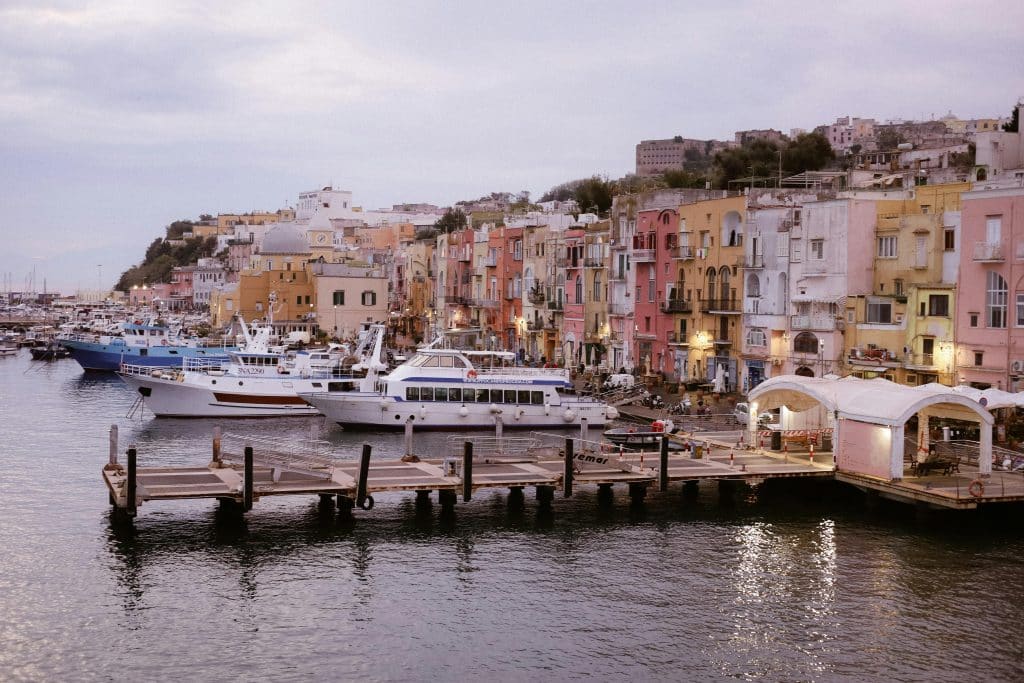
While Capri and Ischia hog the spotlight in the Bay of Naples, Procida remains the quiet, authentic fishermen’s island. It is a stunning, tiny landmass characterized by its signature pastel colored houses stacked dramatically around the harbor, Marina Grande, and Corricella.

  • Key Attractions: Explore Marina Corricella, the stunning harbor often featured in films, and walk up to Terra Murata, the highest point, for views of the walled medieval citadel and the Abbey of San Michele Arcangelo. Beaches like Chiaia and Pozzo Vecchio (the setting of Il Postino) are tranquil.
  • Cultural Insight: Procida was named Italy’s Capital of Culture in 2022, a title that celebrates its simplicity and seafaring heritage. Unlike its neighbors, Procida relies on fishing and local life, keeping the prices and the atmosphere authentically Italian.
  • Travel Tips: Take a fast ferry (hydrofoil) from Naples (Beverello port). The island is small enough to explore entirely on foot or by electric bicycle. Tip: Arrive early and watch the local fishermen mend their nets for a genuine experience.

Local Quote: Procida’s beauty lies in its simplicity; colorful houses line the narrow streets, and the smell of the sea is never far away. Procida is the most underrated island in Italy.

Trieste, Friuli Venezia Giulia: Italy’s Cosmopolitan Corner


white and brown concrete building near body of water during daytime

Located away in the northeastern corner near Slovenia, Trieste feels like a Central European city that decided to vacation on the Adriatic Sea. Its unique blend of Italian, Slavic, and Austro-Hungarian influences gives it an elegant, intellectual atmosphere distinct from typical Italian destinations.

  • Key Attractions: Stroll through Piazza Unità d’Italia, one of Europe’s largest squares opening directly onto the sea. Visit the dramatic Miramare Castle, built for Archduke Ferdinand Maximilian. Then, duck into one of the city’s grand, historic coffee houses, such as Caffè San Marco, which rival Vienna’s best.
  • Cultural Insight: Trieste was the former maritime gateway of the vast Austro-Hungarian Empire. This history explains the grand Viennese architecture and the city’s strong literary past, having been home to writers like James Joyce and Italo Svevo.
  • Travel Tips: Trieste has an airport (TRS) and excellent rail connections to Venice (two hours away). It is a hub for slow travel, exploring the surrounding Carso plateau and its vineyards.
  • Food Tip: The regional cuisine, Cucina Triestina, features flavors from the Balkans and Austria, including jota (bean and sauerkraut soup) and goulash.

Bergamo, Lombardy: The Walled Hilltop Paradise


beige and red dome church during daytime

Just a short, easy train ride from Milan, Bergamo is inexplicably overlooked by travelers rushing to Lake Como or the Alps. It is split into two distinct parts: the modern Città Bassa (Lower Town) and the enchanting Città Alta (Upper Town), encircled by majestic Venetian walls (a UNESCO site).

  • Key Attractions: Take the funicular up to the Città Alta. Walk the entire circuit of the Venetian Walls, visit the beautiful Piazza Vecchia, and climb the Civic Tower (Campanone) for views across the plain and the Alps.
  • Historical Context: Bergamo’s medieval upper city has been stunningly preserved. The Venetian Walls were built in the 16th century to defend the city and now offer a peaceful 6-kilometer pedestrian loop. The city’s history is steeped in centuries of Venetian rule.
  • Travel Tips: Bergamo is served by Milan’s Orio al Serio Airport (BGY). Take the bus directly from the airport or the train from Milan to the Città Bassa, then the funicular up. Recommended: Spend a full day and stay until dusk; the atmosphere as the old city lights up is magical.

 According to travelers, Bergamo’s Città Alta is a hilltop historic paradise, encircled in fog and Venetian walls. The old city is like a step back in time.”


 Ascoli Piceno, Marche: Travertine Elegance

a large building with tables and chairs in front of it

Tucked in the heart of the Marche region, Ascoli Piceno is a breathtaking, small city that blends medieval history with Renaissance elegance. It is famous for its elegant architecture constructed almost entirely from pale, polished travertine marble, which glows pink at sunset.

  • Key Attractions: The centerpiece is the Piazza del Popolo, one of Italy’s most beautiful squares, often described as an outdoor drawing room. Wander the narrow streets (vicoli), visit the Romanesque churches, and see the ancient Ponte di Cecco bridge.
  • Cultural Insight: Ascoli feels immensely “lived in.” It’s a true hidden gem for history and architecture lovers that maintains a vibrant local life. Its relative isolation in the central Marche region has protected it from becoming a mass tourist stop.
  • Culinary Must-Try: The town is famous for its unique culinary delight: Olive all’ascolana, pitted, seasoned olives stuffed with meat and deep-fried. Find them at a local friggitoria.
  • Travel Tips: Ascoli Piceno is best reached by car or train from Ancona or Pescara. Its inland location makes it ideal for combining with a trip to the nearby Sibilline Mountains National Park.

Modena, Emilia-Romagna: The Engine of Flavor


a large building with a clock tower

While Bologna and Parma dominate the gastronomic map of Emilia-Romagna, Modena stands quietly between them, the undisputed capital of the region’s twin crowns: high-speed luxury and ancient, dark flavor.

  • Key Attractions:
    • Food: Visit the Mercato Albinelli for a sensory feast. Tour an acetaia (vinegar producer) to see how true Traditional Balsamic Vinegar of Modena is aged.
    • Cars: The city is the birthplace of Ferrari and Maserati. The Enzo Ferrari Museum is a pilgrimage for automotive enthusiasts.
  • Expert Quote: “Modena can hold her own in the kitchen,” despite being sandwiched between two famous gastronomic centres. The city is a masterpiece of concentrated, high-quality production.
  • Travel Tips: Modena is centrally located on Italy’s efficient train line, making it easy to access from Bologna, Florence, or Milan. Must do: Book a slow, multi-course meal at an authentic trattoria to truly savor the difference between commercial and authentic balsamic vinegar.


 Camogli, Liguria: The Quiet Rival to Cinque Terre


A beach that has a bunch of buildings on it

Along the colorful Ligurian coast, everyone flocks to the Cinque Terre, but just north, a quieter, more genuinely charming fishing village waits. Camogli (meaning “House of Wives”) is characterized by tall, brightly painted houses that seem to tumble into the sea, protecting the small harbor.

  • Key Attractions: Relax on the pebble beach, visit the Basilica di Santa Maria Assunta, built directly on a sea rock, and take a boat trip to the stunning, isolated Abbey of San Fruttuoso, accessible only by sea or a difficult hike.
  • Cultural Insight: Camogli was historically a major maritime power. Its houses were painted in bright, specific colors and geometric patterns so fishermen could spot their homes from far out at sea. The local pace is slow; the main activity is the daily passeggiata along the waterfront.
  • Travel Tips: Camogli is easily reached by train from Genoa. Pro Tip: Time your visit for the annual Festa della Sagra del Pesce (Festival of Fish) in May, where a giant 4-meter frying pan is used to cook tons of fresh fish for the public.


The Art of Slow Travel

The greatest joy in Italy is often found in the spontaneous discovery of the conversation with a local nonna, the regional dish you’ve never heard of, the quiet piazza where you sip an aperitivo and watch life unfold. This is the art of slow travel, prioritizing depth over breadth, which is perfectly suited to these underrated destinations.

As travel writer E.M. Forster once wrote: “Love and understand the Italians, for the people are more marvelous than the land”. By venturing Beyond Rome, you open yourself up to the most marvelous experiences Italy has to offer.


Have you discovered an Italian hidden gem we missed? Share your favorite underrated Italy destinations in the comments below! We love hearing your secrets.

To receive more authentic, off-the-beaten-path travel guides and tips delivered straight to your inbox, subscribe to our newsletter today. Follow us on Instagram for daily doses 

You may also find this video about the unique cultural blend in Italian cities helpful: 7 Most Underrated Italian Cities To Visit.

Gateway, Lifestyle, Travel, Travel Destinations, Travel Hacks, Travel Tips, Vacation,

7 Luxury Yet Affordable Boutique Hotels in Europe You’ll Fall in Love With

When you dream of Europe, you probably imagine sipping wine on a Parisian terrace, wandering the streets of Lisbon, or watching the sunset over Santorini. But let’s be honest, luxury travel often feels out of reach. The good news? You don’t have to spend a fortune to enjoy an indulgent getaway. Boutique hotels in Europe offer the perfect balance of style, comfort, and affordability. They’re intimate, full of character, and often cost less than big-chain luxury resorts.

Here are seven boutique hotels across Europe that deliver five-star vibes without draining your bank account.


1. Henriette Hotel

  • Location: Paris, France 
  • Price Range: $150–$220 per night 
  • Unique Features: Chic Parisian interiors, locally sourced breakfast, close to the Latin Quarter 
  • Why It’s Worth Visiting: Located on a quiet street, Henriette Hotel feels like your stylish Parisian friend’s home. Each room is decorated with vintage finds and cozy touches, making it the perfect spot to relax after exploring the City of Light.


2. Hotel Josef

  • Location: Prague, Czech Republic 
  • Price Range: $120–$200 per night 
  • Unique Features: Sleek modern design, rooftop views, bakery-fresh breakfast 
  • Why It’s Worth Visiting: For travelers who love modern style, Hotel Josef offers minimalist interiors paired with warm Czech hospitality. You’re just steps from Old Town Square, so sightseeing couldn’t be easier.


3. Hotel Praktik Garden

Expedia Group

  • Location: Barcelona, Spain 
  • Price Range: $110–$180 per night 
  • Unique Features: Lush indoor greenery, sunlit rooms, central location near Passeig de Gràcia 
  • Why It’s Worth Visiting: True to its name, Praktik Garden is filled with plants and natural light, creating a calming oasis in the heart of bustling Barcelona. It’s ideal for travelers who want stylish comfort at a fair price. 

4. Casa do Príncipe

Suite, Balcony (Imperial) | Premium bedding, in-room safe, free WiFi, bed sheets

  • Location: Lisbon, Portugal 
  • Price Range: $130–$190 per night 
  • Unique Features: Elegant 19th-century building, frescoed ceilings, boutique charm 
  • Why It’s Worth Visiting: Overlooking the beautiful Praça do Príncipe Real, this boutique stay feels like stepping back in time. Each room is unique, blending antique character with modern amenities. A complimentary breakfast makes mornings extra special.


5. Artist Residence Oxfordshire

Massey_ArtRes_Ox2_1016+copy.jpg


  • Location: South Leigh, England 
  • Price Range: $170–$230 per night 
  • Unique Features: Eclectic décor, countryside pub, cozy fireplaces 
  • Why It’s Worth Visiting: If you’ve ever wanted to escape to the English countryside, this quirky yet luxurious boutique hotel is perfect. It’s part pub, part inn, and part art gallery, offering a truly one-of-a-kind stay. 


6. Salvatore Ferragamo’s Portrait Firenze

  • Location: Florence, Italy 
  • Price Range: $180–$250 per night 
  • Unique Features: Riverside location, chic Italian interiors, personalized concierge service 
  • Why It’s Worth Visiting: Overlooking the Arno River, Portrait Firenze combines Italian elegance with boutique intimacy. Its curated design nods to Florence’s fashion history, making it perfect for lovers of art, style, and romance.


7. Aressana Spa Hotel & Suites

Aerial view

  • Location: Santorini, Greece 
  • Price Range: $160–$240 per night 
  • Unique Features: Cycladic architecture, wellness spa, stunning pool area 
  • Why It’s Worth Visiting: Right in the heart of Fira, Aressana Spa Hotel offers a tranquil retreat while keeping you close to Santorini’s famous nightlife and views. Its spa treatments are a must after a day of exploring the island. 

Europe doesn’t have to be expensive to feel indulgent. These boutique hotels prove that luxury is about the experience, not just the price tag. From Paris to Santorini, each property offers unique character, comfort, and charm without breaking the bank.

So whether you’re planning a romantic escape, a cultural adventure, or a solo retreat, these boutique hotels are your ticket to enjoying Europe in style.

 Pro Tip: Book early, especially during summer months, to lock in the best rates.

Love discovering affordable luxury in Europe?

Sign up for my newsletter and get exclusive boutique hotel finds, insider travel tips, and my FREE 5-Day Luxury Europe Itinerary delivered straight to your inbox.


Travel, Travel Destinations, Travel Tips,

How to Find Travel Deals in 2025’s Inflation: A Guide to the “Coolcation” Trend

Planning a getaway in 2025 feels a little different. With inflation impacting everything from groceries to gas, the thought of booking that dream vacation might feel… well, a little less dreamy. But don’t pack away your passport just yet! There’s a smart way to navigate these financial waves and still explore the world: it’s called the “Coolcation” trend, and it might just be your ticket to incredible and affordable vacation ideas.

 Understanding the “Coolcation” Trend

So, what exactly is a “Coolcation”? Think of it as a strategic shift in travel preferences. Instead of flocking to traditional hot-weather destinations during peak summer, savvy travelers in 2025 are seeking out cooler climates and off-season adventures. This might mean exploring mountainous regions, charming Northern European cities, or even the off-season.

The significance of the “Coolcation trend” in our current inflationary climate is clear. By opting for destinations and travel times that are less in demand, you can often find significantly better travel deals. Think about it: fewer crowds usually mean lower prices for flights, accommodations, and even local experiences. Plus, escaping the sweltering heat can be a refreshing bonus! Have you ever felt like you needed a vacation from the heat of your vacation? A Coolcation can solve that.

 Tips for Finding Travel Deals in 2025’s Inflation

woman sits on brown wooden beach chair

Navigating inflation travel tips can feel like a puzzle, but here are some actionable budget travel strategies to help you snag those coveted travel deals in 2025:

  • Book in the “Sweet Spot”: While last-minute deals can sometimes appear, generally booking your flights and accommodations 2-4 months in advance for domestic travel and 3-6 months for international travel often yields the best prices.
  • Open to  Flexible Dates: Are your travel dates set in stone? If you have some wiggle room, use flight and hotel comparison websites that allow you to view prices across a range of dates. Even a few days’ difference can lead to significant savings.
  • Consider the Low Seasons (Spring & Fall): This aligns perfectly with the Coolcation trend. Traveling just before or after the peak summer or winter seasons can unlock affordable vacation ideas with pleasant weather and fewer tourists. Think of exploring the European countryside in September or enjoying the crisp air of the Rockies in May.
  • Explore Lesser Known Gems: Instead of always aiming for the most popular destinations, research up-and-coming or less-touristed locations. You’ll often find lower prices and a more authentic experience. For example, consider smaller towns in Italy instead of Rome or exploring national parks in the off season.
  • Be Open to Connecting Flights and Slightly Less Central Accommodations: Sometimes, a slightly longer journey with a layover or a hotel a little outside the main tourist hub can save you a considerable amount of money. Weigh the cost savings against the inconvenience.
  • Sign Up for Email Lists and Follow Social Media: Airlines, hotels, and travel agencies often announce flash sales and special travel deals to their subscribers and followers first. Stay informed!
  • Think Outside the “All-Inclusive” Box: While convenient, all-inclusive resorts can sometimes be pricier overall. Consider booking accommodations with kitchenettes and exploring local restaurants for more budget-friendly meal options. Also, you can do more research on all-inclusive resorts you might find better deals during low seasons.

Utilizing Technology for Travel Savings

person holding black android smartphone

In the age of inflation, your smartphone and laptop are powerful allies in the quest for travel deals 2025:

  • Flight Comparison Websites: Use sites like Google Flights, Skyscanner, Kayak, and Momondo to compare prices from multiple airlines and travel agencies simultaneously. Set up price alerts to track potential drops.
  • Hotel and Accommodation Platforms: Explore Booking.com, Expedia, Hotels.com, and Airbnb. Utilize filters to search by price, review score, and amenities. Look for “genius” discounts or long-stay offers.
  • Deal Alert Apps and Websites: Apps like Hopper can predict flight and hotel price fluctuations and notify you when it’s the best time to book. Websites like Scott’s Cheap Flights (now Going) curate incredible travel deals sent directly to your inbox (often with a subscription fee, but it can be worth it for frequent travelers).
  • Cashback and Rewards Platforms: Use browser extensions or apps that offer cashback on your travel bookings. Combine this with your travel rewards credit cards for even greater savings.
  • Social Media Travel Communities: Join Facebook groups or follow Instagram accounts dedicated to budget travel strategies. Members often share tips and discover travel hacks for inflation in real-time.

 Budgeting for Inflation in 2025

Even with finding great travel deals, smart budgeting is crucial when facing inflation. Travel tips:

  • Set a Realistic Budget: Before you even start looking at destinations, determine how much you can comfortably afford to spend on your trip. Be honest with yourself about all potential costs (flights, accommodation, food, activities, transportation, souvenirs).
  • Track Your Spending: Use a budgeting app or a simple spreadsheet to monitor your expenses during your trip. This helps you stay on track and avoid overspending.
  • Be Flexible with Activities: Have a list of “must-do” activities, but also be open to free or lower-cost alternatives if your budget starts to tighten. Explore local parks, go for scenic walks, or visit free museums.
  • Factor in Hidden Costs: Don’t forget to budget for things like baggage fees, airport transfers, visa costs, and tips. These can add up quickly.
  • Consider Travel During Off-Meal Times for Cheaper Eats: Look for lunch specials or consider having your main meal at lunchtime when prices are often lower.


Travel Smart, Stay Cool, and Explore Affordably in 2025

Despite the impact of inflation, the world is still waiting to be explored. By embracing the “Coolcation” trend and implementing these smart budget travel strategies, finding incredible travel deals in 2025 is achievable. Remember to be flexible, utilize technology to your advantage, budget wisely, and most importantly, embrace the adventure!

Ready to start planning your value-first Coolcation? Subscribe to the TravelNancy.com newsletter below for more exclusive tips and affordable vacation ideas delivered straight to your inbox!


What are your best tips for finding travel deals in an inflationary environment? Share them in the comments below!

Lifestyle, microcation, Staycation, Travel, Vacation,

Last Minute Labor Day Microcations from Columbus, OH: Your Guide to a Quick Getaway

The long weekend is almost here. You’ve had a busy summer. Now you’re staring at the calendar, wishing you had an adventure planned. Don’t worry. A last-minute Labor Day microcation from Columbus is still possible.
A microcation is a short trip with a big impact. It’s about finding value and making memories close to home. In this guide, you’ll find three fantastic, easy-to-plan destinations from Central Ohio. Let’s get you on the road today.

Your Last-Minute Planning Toolkit

Big savings start before you pack. A little planning goes a long way, even at the last minute.

Book Smart, Not Hard

Forget random searches. Be strategic.

  • The “Off-Peak” Secret: Try to stay Sunday through Tuesday instead of Friday through Sunday.  This way you will get price drops and thin crowds. Your wallet will thank you.
  • Use a Price Tracker: Many apps and websites show you last-minute hotel deals. Set alerts. Watch the numbers. Find the best price.
  • Check for Cancellation Deals: Some people cancel at the last minute. This is a great time to find deals. Check hotel apps frequently.


Packing for a Microcation

You don’t need a huge suitcase. Pack light.

  • Go Carry-On Only: This is your best move. Avoid baggage fees. It makes travel simpler.
  • One Small Bag: Find a great backpack that fits everything you need. It’s perfect for a short trip. It leaves you hands-free to explore. Check out amazing backpacks here.


The Destinations: 3 Microcations from Columbus

Here are three great options, all within a few hours’ drive from Columbus. Each offers a different kind of adventure.


1. Hocking Hills, OH

Why It’s a Great Last-Minute Trip: It’s a short drive. The air feels different. It offers a complete escape into nature without the travel stress.

  • Travel Details: It’s just over an hour’s drive very short very  easy.
  • What to Do:
    • Hiking: Explore the trails at Old Man’s Cave or Cedar Falls. The trails are beautiful. The waterfalls are a must-see.
    • Photography: The light here is incredible. It’s a photographer’s dream. Bring your camera.
    • Relaxation: Find a quiet spot to enjoy the peace. Go stargazing the sky is dark.

Where to Stay: You can find everything from campsites to cozy cabins.  


Downtown Indianapolis

2. Indianapolis, IN

Why It’s a Great Last-Minute Trip: It’s a lively city with a friendly vibe. It offers a big city feel with art, food, architecture and culture.

  • Travel Details: It’s about a 3-hour drive west.
  • What to Do:
    • Culture: Walk or bike the Indianapolis Cultural Trail. See art. Find local shops. It’s a great way to see the city.
    • Food: This city has amazing food. Explore Fountain Square or Mass Ave for unique local restaurants.
    • Art: Visit the Indianapolis Museum of Art at Newfields. It’s beautiful inside and out.

Where to Stay: Stay downtown for walkability. Find a hotel in a cool neighborhood. 

a group of flags flying in the wind next to a road

3. Put-in-Bay, OH

Why It’s a Great Last-Minute Trip: It feels like a world away. It’s a unique, memorable island escape. It’s a true Ohio gem.

  • Travel Details: It’s a 2-hour drive to Port Clinton. From there, you take a short ferry ride to the island.
  • What to Do:
    • Explore: Rent a golf cart. It’s the best way to get around the island.
    • Sights: Visit Perry’s Victory and International Peace Memorial. Tour one of the island’s wineries.
    • Relax: Find a quiet spot to watch the boats. Enjoy a peaceful sunset over the lake.

Where to Stay: You can find charming B&Bs and lively hotels. 

a stone fountain in a park with trees in the background

Final Thoughts & Your Next Step

See? A last-minute adventure isn’t just possible; it’s waiting for you. You have the tools now. Get on the road today.

Now that you have the inspiration, it’s time to plan. I’ve created a FREE 2025 Budget Travel Checklist & Planner to help you save money on every trip you take. This guide is your secret weapon. It helps you save money on everything from hotels to food.  Check it out >>>>Planner Checklist Guide

Lifestyle, Travel, Travel Destinations, Vacation,

How to Travel More in 2025: Your Value First Guide to Budget Adventures

You want to see the world. You dream of new places, new tastes, new stories. But your bank account? It whispers, “Stay home.” What if I told you that in 2025, you can travel more, experience more, and spend less?

It’s not magic. It’s smart travel. It’s a “value-first” mindset. This guide shows you how to unlock incredible adventures without breaking the bank. Let’s make your travel dreams a reality.

Plan Smart, Save Big: The Pre-Trip Power Moves

Big savings start before you pack. A little planning goes a long way.

man sitting on gang chair with feet on luggage looking at airplane

Book Flights & Stays Like a Pro

Forget random searches. Be strategic.

  • Be Flexible: Travel during off-peak seasons. Think about early fall or late spring for  prices to drop, fewer crowds, and the weather is better.
  • Track Prices: Use tools like Google Flights, Hopper app to  set alerts.Book when prices hit their sweet spot. Often 1-3 months out for domestic, 3-5 months  for international.
  • Consider Alternatives: Look at smaller airports nearby. Sometimes a short drive saves hundreds. Or try overnight buses or trains for longer distances. They cut down on accommodation costs.
  • Go Direct: Found a good hotel price online? Call them. Hotels often match or beat third-party rates. They might even throw in free breakfast. It  also builds a better connection.

Leverage Travel Rewards & Loyalty

Your spending can earn you free trips.

white and blue magnetic card

  • Smart Credit Cards: Use travel rewards credit cards. Earn points for everyday purchases. Sign-up bonuses can be huge. They pay for flights and hotel nights. You can check some of  travel rewards credit cards  to see what good for you.
  • Join Programs: Sign up for airline and hotel loyalty programs such as Skymile, AA Advantage or Marriott Bonvoy. Even if you don’t fly one airline often, points add up. Free upgrades or discounts make a difference.

Embrace the Microcation

You don’t need two weeks off.

  • Short Trips are Gold: A 2-4 day “microcation” offers a reset. It’s a taste of adventure. You spend less. You use less PTO. Think long weekends. Explore nearby.
  • Discover Your Backyard: Living in Columbus, Ohio, means amazing Midwest microcations are waiting. Hocking Hills, Lake Erie islands, Cincinnati. 

Save Daily: Your Wallet’s Best Friend on the Road

Once you’re there, keep saving. Every small choice counts.

a woman driving a car with a cell phone in her hand

Move Like a Local

Public transport is your friend.

  • Buses & Trains: Ditch the taxis. Use local buses, subways, or trams. They’re cheap. They show you real life.
  • Walk More: Explore on foot. It’s free. You discover hidden gems. You burn calories. Win-win.
  • Road Trip Savvy: Driving? Use apps like GasBuddy. Find the cheapest gas along your route. Fill up on Mondays or Tuesdays.

Eat Smart, Not Expensive

Food is a huge cost. Control it.

  • Cook Some Meals: Book a stay with a kitchen. Cook breakfast. Pack lunches. Even one meal a day cooked saves big.
  • Grocery Stores & Markets: Visit local supermarkets. Buy snacks, drinks, and fruit. Farmers’ markets offer fresh, affordable food.
  • Street Food & Local Eateries: Eat where locals eat. It’s authentic. It’s often delicious and cheap. Avoid tourist traps.
  • Carry Water: Always bring a reusable water bottle. Fill it up. Save money. Help the planet. Check out some travel water bottle that are easy to carry around here.

Free & Affordable Fun

Experiences don’t always cost money.

  • Seek Free Attractions: Many cities offer free museums on certain days. Parks, public gardens, walking tours, and festivals are often free.
  • Nature Calls: Hike, swim, explore beaches. These adventures are often free or low-cost.
  • Look for Deals: Check local event listings. Find discount tickets. Book activities directly with small local operators. They often offer better value.

Tech & Packing Hacks: The Smart Traveler’s Arsenal

Small tweaks make travel smoother and cheaper.

clothing items and pair of shoes in luggage

Pack Light, Pay Less

Avoid baggage fees. It’s simple.

  • Carry-On Only: Master the art of the carry-on. No checked bag fees. Faster airport exits. Check out some carry-on luggage here that will no need extra luggage.
  • Packing Cubes: These are game-changers. Organize your clothes. Save space. 
  • Versatile Clothes: Pack items you can mix and match. Layers work wonders.

Stay Connected, Save on Data

Don’t pay huge roaming fees.

  • eSIM Cards: For international travel, an eSIM gives you local data rates. No swapping physical SIMs. Instant connection. 
  • Offline Maps: Download Google Maps areas before you go. Navigate without data. No getting lost, no huge phone bills.

The “Value-First” Mindset: Travel Nancy’s Philosophy

This isn’t just about saving money. It’s about smart choices.

  • Experiences Over Stuff: Spend on memories. A local cooking class. A guided hike. These last longer than souvenirs.
  • Embrace Authenticity: Seek out local culture. Support small businesses. You get deeper experiences. Your money helps the community.
  • Flexibility Fuels Deals: Be open to changes. A last-minute flight deal. A hidden gem you discover. Sometimes the best trips are unplanned.

Ready to Travel More in 2025?

It’s your year to explore. You have the tools now. Start planning your value-first adventure today.

Don’t leave without your FREE “2025 Budget Travel Checklist & Planner”! This downloadable guide will help you apply every tip from this post and unlock even more savings.

>> CLICK HERE TO DOWNLOAD YOUR FREE CHECKLIST! Free 2025 Guide

What’s your best budget travel hack? Share it in the comments below! We love hearing from fellow intentional travelers.

Culture, Gateway, Travel, Travel Adventures,

Wine Tourism in Europe: A Historical Journey Through Vineyards and Culture

European wine is much more than a drink; it’s a story of tradition, resilience, and celebration that spans millennia. From ancient civilizations to modern vineyards, European wine tourism allows travelers to step back in time and experience the historical roots of winemaking that have profoundly influenced art, religion, trade, and community life. This post digs into the unique history of European wine regions and how they have developed into the renowned wine destinations we enjoy today.

 The Dawn of Winemaking: Southern Europe’s Ancient Roots

Europe’s wine journey began with the Phoenicians, Greeks, and Romans, whose agricultural advancements laid the groundwork for today’s winemaking techniques. As early as 2000 B.C., the Greeks were cultivating grapes on the island of Crete, making Greece one of Europe’s oldest wine producers. The practice spread to Italy and across the Mediterranean, where the mild climate was ideal for grape growing.

plant field under blue sky

  • Italy: Ancient Rome played a monumental role in the spread of viticulture. The Romans were the first to classify vineyards based on quality, a precursor to today’s appellation systems. They even worshipped Bacchus, the god of wine, symbolizing wine’s cultural importance. Traveling through regions like Lazio and Campania allows visitors to taste wines that echo these ancient methods, with many vineyards continuing techniques passed down through centuries.

 The Middle Ages: Monastic Influence in France and Germany

With the fall of the Roman Empire, winemaking shifted into the hands of the Church. Monks, particularly in France and Germany, meticulously cultivated vineyards, experimenting with different terroirs to produce wines that symbolized purity and sanctity. Monasteries became centers of viticulture, preserving knowledge through detailed records that informed future generations.

  • France: Burgundy and Champagne owe much of their heritage to monastic vineyards established by Cistercian and Benedictine monks. Burgundy’s famous Côte d’Or hills, for example, were sectioned off by monks to study which areas yielded the best grapes. A visit to Burgundy lets wine enthusiasts walk through these historic vineyards, some of which retain their original boundaries, providing a living history of Europe’s medieval viticulture.
  • Germany: In the Rheingau and Mosel regions, monks cultivated Riesling in terraced vineyards. They discovered how different soil compositions impacted flavor, an understanding that elevated German wines to international fame. Tasting wine here offers a window into centuries of monastic precision, where wine wasn’t just a drink but a labor of devotion.

The Renaissance and Age of Exploration: Wine as a Status Symbol

The Renaissance brought a revival of art, culture, and luxury to Europe, and wine became a symbol of status and sophistication. Nobles established vineyards and cellars in regions like Bordeaux, Tuscany, and Rioja, each competing  to produce wines that would signify their wealth and taste.

a vineyard with a church in the background

Bordeaux vineyard

  • Bordeaux, France: Bordeaux was particularly instrumental in shaping the global wine trade. During this period, Bordeaux wines became highly sought after by English royalty and nobility, leading to extensive vineyards funded by wealthy landowners. Modern wine tours in Bordeaux take travelers through cellars that have aged wine for centuries, connecting them to a time when Bordeaux was the epicenter of European wine commerce.
  • Spain’s La Rioja: Similarly, Spain’s La Rioja gained prominence during this era, with vineyards that produced bold reds fit for European nobility. Spanish wine production was deeply influenced by the trade routes established during the Age of Exploration, which brought new aging techniques. Visiting Rioja today includes tastings in bodegas that use both historic and modern techniques, showing the evolution of Spanish wine from Renaissance palaces to contemporary wineries.

The Industrial Revolution: Science and Expansion

The Industrial Revolution had a profound impact on winemaking in the 19th century, as advances in chemistry and technology allowed for greater precision and quality control. Winemakers began experimenting with fermentation techniques, blending, and even labeling practices to meet increasing global demand. European countries started forming their own appellation systems, defining the boundaries and standards for wine production that remain today.

Free  Follow me on Insta for more - https://www.instagram.com/mikita.yo  My Lightroom Presets - https://www.proedit.shop/ Stock Photo

  • Champagne, France: One of the most iconic regions influenced by industrial advancements was Champagne. The introduction of bottling technology allowed for the perfecting of sparkling wines, which were widely celebrated in royal courts. A visit to the Champagne region reveals cellars that stretch for miles underground, with each bottle representing the marriage of tradition and scientific innovation.
  • Piedmont, Italy: Meanwhile, Italian vintners in Piedmont began refining methods for Barolo, producing a wine known as the “King of Wines.” Modern visitors to Piedmont can witness how early industrial methods allowed Italy to begin exporting these wines, establishing Italy’s global reputation.

The Post-War Revival: European Wine Tourism’s Birth

After the devastation of World War II, European countries rebuilt their wine industries with a renewed emphasis on quality and heritage. Wine tourism as we know it began to take shape in the 1970s, as regions sought to promote their local cultures and products. Winemakers opened their doors to tourists, offering tastings, vineyard tours, and firsthand experiences of the winemaking process.

  • Portugal’s Douro Valley: The Douro Valley’s terraced vineyards, known for producing Port, became a UNESCO World Heritage site, helping to preserve its unique winemaking heritage. Wine tourists here enjoy scenic boat rides along the Douro River, experiencing the timeless beauty of one of Europe’s oldest wine-producing regions.
  • Santorini, Greece: With its volcanic soils and traditional basket-weaving vine training, Santorini became a hub for wine enthusiasts in search of something different. Tours here often include ancient cellar visits where traditional techniques have been passed down through families, offering a look at how old-world methods meet the demands of modern tourism.

 The Modern Era: Sustainability and Innovation in European Wine

Today, European vineyards are leaders in sustainable viticulture, implementing organic practices, biodynamic farming, and eco-friendly tourism. This commitment reflects a desire not only to produce high-quality wine but to preserve the land for future generations.

  • Austria and Germany: Austria and Germany have led the way in biodynamic practices, with many vineyards prioritizing soil health and ecological balance. Visits to Austrian wine regions like Wachau often include educational tours that highlight these practices, providing insight into the future of sustainable winemaking.
  • Spain and Portugal: Spain’s Ribera del Duero and Portugal’s Alentejo are known for vineyards that integrate modern architecture with sustainable practices. Many of these wineries offer “green” tours that focus on eco-conscious production, showing how Europe’s wine regions are adapting to climate change while preserving their rich heritage.

 A Glass of History and Heritage

Wine tourism in Europe is more than just a journey through vineyards; it’s a journey through time. Each glass of wine holds a story of resilience, artistry, and tradition that spans centuries. From the ancient Greeks to modern sustainability, Europe’s wine regions offer a rich experiences, inviting travelers to immerse themselves in history while enjoying the future of winemaking.

Ready to explore the historic vineyards of Europe? Follow us for more guides on the best wine experiences Europe has to offer, and start planning your journey today.

Gateway, Lifestyle, Travel, Travel Adventures, Vacation,

10 Top Wine Destinations in the USA for an Unforgettable Wine Tasting Vacation

If you dream of a wine-focused vacation combining scenic beauty, unique wine varieties, and rich regional history, the USA offers an impressive range of wine destinations. Each region presents something different: exclusive winery tours and scenic vineyards to boutique tasting rooms. Here are the top 10 wine destinations in the USA that are a must-visit for any wine enthusiast.
Napa Valley Wine Tasting Tours – California’s Premier Destination

Free Welcome Billboard in Napa Valley in California in USA Stock Photo

When it comes to luxurious wine tasting in California, Napa Valley is unparalleled. Famous for its bold Cabernet Sauvignon, Napa Valley’s wine scene combines world-class wines, Michelin-star dining, and some of the most luxurious accommodations in wine country.

  • Top Wineries for Wine Tours in Napa Valley:
    • Robert Mondavi Winery: Known for its educational tours, it’s a staple of Napa Valley’s wine culture.
    • Castello di Amorosa: An Italian-inspired castle with a unique blend of Napa wines and history.
  • Insider Tip: Take the Napa Valley Wine Train for an immersive experience with tastings, dining, and stunning views.

Sonoma County – The Best Wine Tasting Destination for Variety

Sonoma, CA

Sonoma County is often considered Napa Valley’s relaxed sibling. Offering a range of wine styles from Pinot Noir to Zinfandel, Sonoma County’s wine country includes family-run wineries and eco-conscious vineyards with laid-back tasting experiences.

  • Must-Visit Sonoma Wineries:
    • Benziger Family Winery: Known for its biodynamic approach and vineyard tram tours.
    • Jordan Vineyard & Winery: Offers French-inspired wines on lush, manicured grounds.
  • Pro Tip: Plan your visit around the Sonoma County Harvest Fair in October for a festive wine experience.

Willamette Valley – The Best Place to Find Oregon Pinot Noir

a large field of green plants under a blue sky

Oregon’s Willamette Valley Winery

Oregon’s Willamette Valley has earned international recognition for its Pinot Noir. With a cooler climate that allows the grapes to develop complex flavors, this scenic wine country is ideal for those seeking a rustic, intimate tasting experience.

  • Top Wineries to Visit:
    • Domaine Serene: High-end tastings focused on Oregon Pinot Noir.
    • Sokol Blosser Winery: Organic, with a focus on sustainability and natural practices.
  • Travel Tip: Cycle along the Willamette Valley Scenic Bikeway for a unique way to explore the wineries.

Finger Lakes Wine Trails – The Perfect Destination for New York Riesling Lovers

Free A Glass of Wine with White Wine Stock Photo

Finger Lakes in New York has a thriving wine culture, particularly renowned for its Riesling, which thrives in the region’s cool climate. A visit to the Finger Lakes wine trails will reveal a variety of small, family-owned wineries set against the scenic backdrop of lakes and hills.

  • Top Finger Lakes Wineries:
    • Dr. Konstantin Frank Winery: Credited with pioneering vinifera grape-growing in the USA.
    • Hermann J. Wiemer Vineyard: Famous for award-winning Rieslings.
  • Travel Tip: The Keuka Lake Wine Trail offers a guided experience of the area’s best wineries.

Texas Hill Country Wine Trail – Discover Bold Reds and Unique Varieties

Free A Person Pouring Wine into a Glass Stock Photo

The Texas Hill Country has recently gained fame as a premier wine destination, especially known for robust reds like Tempranillo and Mourvèdre. The dry climate and innovative local winemakers produce wines with distinctive flavors and strong character.

  • Must-Visit Wineries:
    • Grape Creek Vineyards: A Tuscan-inspired winery with a unique Texan flair.
    • Pedernales Cellars: Known for its Tempranillo and scenic hilltop views.
  • Pro Tip: Join one of the Texas Wine Trail events for themed wine weekends throughout the year.

Santa Barbara Wine Country – The Perfect Destination for Pinot Noir and Chardonnay

green leafed plants during daytime

Santa Barbara wine country, nestled between the ocean and mountains, boasts a cool coastal climate ideal for Pinot Noir and Chardonnay. The picturesque region has a mix of boutique wineries and larger vineyards, making it a prime location for relaxed wine-tasting experiences.

  • Top Wineries in Santa Barbara:
    • Melville Winery: Known for cool-climate Pinot Noir.
    • Foxen Vineyard: Offers small-batch wines in a cozy tasting room setting.
  • Pro Tip: Extend your stay to explore Santa Barbara’s beaches and nearby restaurants.

Virginia Wine Trails – Historic Wine Country Tours

Free People Riding Horseback around a Vineyard Stock Photo

Vineyards Horse Tours

Virginia wine country has historical significance, as it was among the earliest areas in the US to attempt wine production. The region’s Bordeaux-style blends and signature Viognier varietals make it an attractive East Coast wine destination.

  • Must-Visit Wineries:
    • Barboursville Vineyards: Historic vineyards offering Cabernet Franc.
    • Chrysalis Vineyards: Known for its unique Norton grape wines.
    • Veritas Vineyard & Winery Ride:  Provides guided horseback rides tours to wineries and vineyards
  • Travel Tip: Visit Monticello, Thomas Jefferson’s historic estate, for a deeper connection to American wine history.

Walla Walla Valley – Best Destination for Bold Red Wine Varieties

Free A Vineyard in the Valley Stock Photo

With its dry climate and unique terroir, Walla Walla Valley in Washington is perfect for lovers of bold red wines like Syrah and Cabernet Sauvignon. This region is home to numerous small, family-owned wineries focused on quality and innovation.

  • Recommended Wineries:
    • L’Ecole No. 41: Located in a historic schoolhouse specializing in rich reds.
    • Gramercy Cellars: Known for producing European-style Syrahs and reds.
  • Pro Tip: Plan your visit for the spring release weekend to try new vintages directly from the source.

Paso Robles Wine Country – The Best Wine Destination for Rhône Varietals

clear martini glass on brown surface

Paso Robles offers a unique mix of traditional and experimental wines, making it a destination for wine lovers interested in Rhône blends, Zinfandel, and bold California reds. With over 200 wineries, this area is both diverse and welcoming.

  • Top Wineries to Visit:
    • Tablas Creek Vineyard: Renowned for Rhône varietals and biodynamic practices.
    • JUSTIN Vineyards & Winery: Famous for Bordeaux-style blends.
  • Insider Tip: Try an ATV vineyard tour to experience the rugged landscape.

Lake Chelan Wine Region – A Charming Wine Destination for Crisp Whites

person holding clear wine glass


Lake Chelan combines scenic lake views with boutique wineries. Known for producing aromatic whites like Riesling and Gewürztraminer, Lake Chelan is perfect for a laid-back summer wine-tasting experience.

  • Top Lake Chelan Wineries:
    • Cairdeas Winery: A small, family-run winery known for Rhône-inspired wines.
    • Tsillan Cellars: Italian-inspired, with beautiful lake views.
  • Pro Tip: Book a lakeside stay to maximize your relaxing wine-country experience.

Each wine region in the USA offers a unique wine experience, from Napa Valley’s luxury vineyards to Texas Hill Country’s bold reds. As you explore these destinations, you’ll uncover not only delicious wines but also the stories, scenery, and rich cultural history that make each region unforgettable.


Architectural, Architecture, Gateway, Travel, Travel Adventures,

The Best Top 10 Wineries with Stunning Designs You Need to Visit

Wine is more than just a beverage it’s an experience. And in some of the world’s most iconic wineries, that experience is enhanced by stunning architecture that rivals the wine itself. These wineries have enlisted world-renowned architects to create spaces that tell stories, blend with the landscape, and elevate the art of winemaking. Whether an architecture enthusiast or a wine lover, these 10 wineries with breathtaking designs will inspire you to sip, savor, and wonder.
 Marqués de Riscal – Elciego, Spain

Free Marques de Riscal Hotel in Spain Stock Photo

In the heart of Spain’s Rioja wine region lies one of the world’s most architecturally ambitious wineries, Marqués de Riscal.  Marqués de Riscal is located in Elciego, in the Rioja Alavesa is known as being large Spanish Winery. The winery was designed by Frank Gehry, the mastermind behind the Guggenheim Museum in Bilbao, the winery’s billowing titanium ribbons reflect the colors of the vineyards. It’s not just a visual spectacle; Gehry designed this building as a celebration of wine. The undulating forms are meant to evoke the movement of a bottle opening and pouring. This marriage of avant-garde architecture with centuries-old wine traditions makes it a must-see.

 Antinori nel Chianti Classico (Marchesi Antinori)– Tuscany, Italy

Free Antinori Nel Chianti Classico Winery by the Vineyard in Bargino Stock Photo

Over 600 years of winemaking tradition meets cutting-edge sustainable design at Antinori nel Chianti Classico. Built to blend into the rolling hills of Tuscany,  designed by Marco Casamonti, a well known architect in Italy.  This architectural gem was designed with environmental responsibility in mind. What’s even more fascinating is that it’s largely underground, with a spiral staircase connecting the cellar to the tasting room, symbolizing the connection between the earth and wine. As you enjoy a glass of Chianti in this serene, eco-friendly winery, you’re not just tasting wine you’re experiencing a commitment to preserving the land.

 Bodegas Ysios – Laguardia, Spain

Rising dramatically from the foothills of the Sierra Cantabria mountains, Bodegas Ysios feels like a modern-day cathedral of wine. Designed by Santiago Calatrava, the architect known for his futuristic designs, the building’s wave-like roof mirrors the rugged mountains behind it. Ysios was specifically designed to honor the wine inside, with the structure resembling barrels lined up in a cellar. The winery is an architectural celebration of movement, meant to evoke the dynamic flow of winemaking.

 Château La Coste – Provence, France

Château La Coste is where art, architecture, and wine come together in one breathtaking setting. In addition to being a biodynamic winery, it’s an open-air museum, with sculptures and installations by some of the world’s top artists and architects, including Tadao Ando  self-taught architect who is infuenced by his extensive travels and the love of  Le Corbusier’s work. Jean Nouvel,  Frank Gehry and many more. Ando’s minimalist water pavilion is a highlight, offering a meditative space to reflect on the surrounding beauty before indulging in the estate’s exquisite Provence wines.

 Castello di Amorosa – Napa Valley, USA

Free Aerial View of the Tower and Landscape Surrounding the Castello di Amorosa in Calistoga, California, USA Stock Photo

Imagine stepping into a 13th-century Tuscan castle—without leaving Napa Valley. Castello di Amorosa was meticulously designed to resemble an authentic medieval fortress, complete with drawbridges, moats, and dungeons. This winery is the culmination of winemaker Dario Sattui’s 30-year dream to bring a piece of Tuscany to California. Every stone was hand-chiseled to replicate the feel of an old European castle, making the winery as much a historical experience as it is a wine-tasting one. The structure is a storybook setting, where history and craftsmanship come together. The idea came from the owner Dario Sattui who  spent two years traveling in Europe after graduating from his MBA. In this time  he developed an interest in medieval architecture. He was taking  photos and making  sketches of  different buildings that he visited such as  medieval castles, monasteries, palaces, farmhouses and wineries.

Domaine Chandon – Yountville, USA

Domaine Chandon in Napa Valley may be known for its sparkling wines, but its architecture is equally effervescent. Designed to flow with the rolling hills, the winery is a tribute to nature, with glass walls offering uninterrupted views of the vineyards. The experience is designed to feel as though you’re floating in the vineyards themselves. A pioneer in Napa’s sparkling wine scene, Domaine Chandon was founded by Moët & Chandon, and it offers a chic, modern space where guests can sip world-class bubbly while enjoying the seamless blend of nature and design.

 Clos Apalta – Colchagua Valley, Chile

Clos Apalta is not just a winery it’s a feat of engineering. Built into the side of a hill in Chile’s Colchagua Valley, this gravity-flow winery is designed to allow the natural flow of wine from one stage of production to another, minimizing the need for pumps and preserving the wine’s delicate flavors. The winery’s wooden structure, resembling a nest, is designed to blend into the landscape. The innovative design has helped Clos Apalta become a leader in organic and biodynamic winemaking, proving that sustainable practices and architectural beauty can go hand-in-hand.

Opus One – Napa Valley, USA

Free Opus Wine Winery Stock Photo

Opus One, one of Napa’s most prestigious wineries, exudes understated elegance. Designed by Scott Johnson, the building is a harmonious blend of classical and modern design, reflecting the winery’s mission to create a Bordeaux-style wine in California. With its curved colonnades and hilltop setting, Opus One’s architecture mirrors its wines: balanced, structured, and timeless. It’s a place where every detail is carefully considered, making it a luxurious and serene space for tasting some of Napa’s finest vintages.

Mission Hill Family Estate – Okanagan Valley, Canada

Mission Hill Family Estate is often referred to as the “Crown Jewel” of Canada’s Okanagan Valley. Architect Tom Kundig designed the winery’s iconic bell tower and stone amphitheater to reflect the region’s natural beauty and European winemaking heritage. The winery offers stunning views of Lake Okanagan, while the amphitheater hosts concerts and events during the summer months. Mission Hill is more than a winery; it’s a cultural hub, where art, music, and wine come together in one magnificent space.

 Quinta do Portal – Douro Valley, Portugal

image by Quinta do Portal

In the heart of the Douro Valley, Quinta do Portal is a celebration of modern design and ancient winemaking traditions. Designed by Álvaro Siza, one of Portugal’s most renowned architects, the winery is a minimalist masterpiece that contrasts with the steep, terraced vineyards surrounding it. The building’s clean lines and simplicity allow the beauty of the Douro Valley to take center stage. Visitors can enjoy Port and table wines in this serene, contemporary space while overlooking one of the world’s oldest wine regions.

These wineries are not just places to taste exceptional wines they are destinations where architecture and winemaking collide in beautiful harmony. From castles and modernist structures to gravity-defying innovations, each winery tells a story through its design, inviting visitors to experience wine completely new. So, whether you’re planning your next wine tour or seeking inspiration for future travels, these stunning wineries should be at the top of your list.


Architectural, Architecture, Culture, Travel, Travel Adventures,

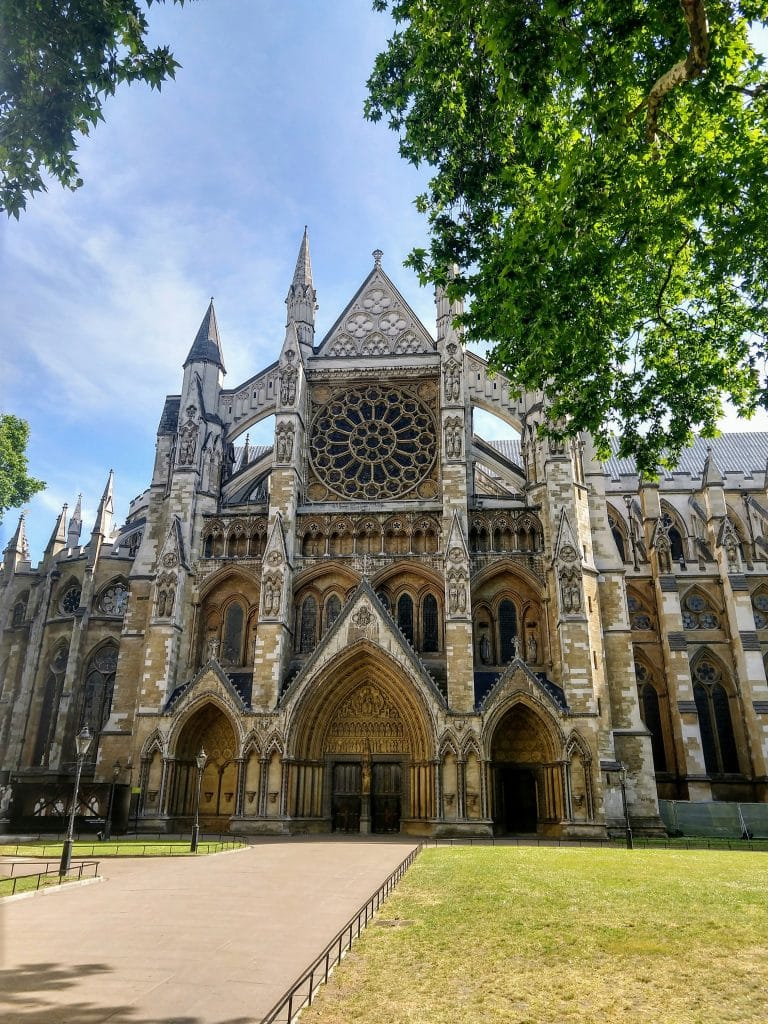
Top 10 Preserved Gothic Cathedrals and Their Architectural Marvels.

Gothic cathedrals stand as some of the most impressive architectural achievements in history. These medieval masterpieces combine engineering innovations, religious symbolism, and artistic brilliance, making them timeless symbols of faith and creativity. Today, we’ll explore the Top 10 Preserved Gothic Cathedrals that continue to inspire and draw visitors from around the world, detailing not only their historical significance but also the architectural features that make them so iconic.

1. Notre-Dame de Paris – Paris, France

Free Notre-Dame Cathedral in Paris Stock Photo


  • Completed: 1345
  • Architectural Marvels: Notre Dame is arguably the most famous Gothic cathedral in the world. It’s an extraordinary representation of the Gothic style with its ribbed vaults, flying buttresses, and immense rose windows. The cathedral’s west façade is symmetrical, divided into three portals, and decorated with detailed sculptures, illustrating Biblical stories and saints.
  • What Makes It Special: The flying buttresses, a key feature of Gothic architecture, allowed the walls to support immense stained-glass windows, including the stunning rose windows. These buttresses provided structural support while giving the cathedral an ethereal lightness.
  • Key Highlight: Despite the 2019 fire that damaged parts of the cathedral, Notre Dame’s stone structure, bell towers, and famous gargoyles remain intact. Restoration is ongoing, preserving its historic legacy for future generations.


2. Chartres Cathedral – Chartres, France

Free Towers and Building of Chartres Cathedral in France Stock Photo

  • Completed: 1220
  • Architectural Marvels: This UNESCO World Heritage site also known as Cathedral of Our Lady of Chartres is one of the best-preserved Gothic cathedrals, known for its original stained glass windows and astonishing west façade. The twin asymmetrical spires are unique, with one being Romanesque and the other Gothic, representing two different architectural phases.
  • What Makes It Special: Chartres Cathedral houses 176 stained glass windows, dating back to the 12th and 13th centuries. The Royal Portal, furnished with Biblical sculptures, showcases some of the finest examples of early Gothic relief work.
  • Key Highlight: The labyrinth on the floor of the nave is another distinguishing feature, historically walked by pilgrims as a form of meditation.

3. Cologne Cathedral – Cologne, Germany

Free Cologne Cathedral Building Facade Stock Photo


  • Completed: 1880 (started in 1248)
  • Architectural Marvels: As one of the tallest Gothic structures in the world, Cologne Cathedral also known as Kölner Dom by locals, reaches an impressive height of 157 meters. Its construction spanned over 600 years, making it an evolving Gothic monument. Its twin spires dominate the Cologne skyline, and its interior is vast, with pointed arches and ribbed vaults typical of the Gothic style.
  • What Makes It Special: The cathedral’s vast interior and sheer verticality, combined with its extensive stained glass windows, make it a monumental Gothic achievement. The Shrine of the Three Kings, an ornate reliquary, is a key focal point.
  • Key Highlight: The twin towers offer panoramic views of the city and Rhine River, while the detailed Gothic architecture serves as an awe-inspiring backdrop.

4. Milan Cathedral (Duomo di Milano) – Milan, Italy

Free A Few Tourists Standing in Front of the Milan Cathedral in Milan, Lombardy, Italy  Stock Photo

  • Completed: 1965 (started in 1386)
  • Architectural Marvels: Milan’s Duomo is the largest Gothic cathedral in Italy and took nearly six centuries to complete. Its exterior is famous for its stunning white marble, furnished with over 3,400 statues and 135 spires. The intricate Gothic façade showcases Milanese Gothic at its most extravagant.
  • What Makes It Special: The exterior of Milan Cathedral is a unique blend of Gothic and Renaissance elements. The interior’s towering nave, combined with vast stained glass windows, creates a sense of divine scale.
  • Key Highlight: A rooftop tour allows visitors to walk among the intricate spires and admire views of the city, including the nearby Alps on clear days.

5. Reims Cathedral – Reims, France

Free Reims Cathedral Facade Stock Photo

  • Completed: 1275
  • Architectural Marvels: The coronation site of French kings, Reims Cathedral is famed for its symmetry and extensive use of statuary, including the iconic Smiling Angel. The cathedral features a heavily sculpted façade with more than 2,300 statues, and the soaring twin towers create a commanding presence.
  • What Makes It Special: The sculptures in Reims Cathedral are among the finest of the Gothic era, showcasing expressive, human-like figures. Inside, the choir boasts ribbed vaults and modern stained glass by artists like Marc Chagall, blending ancient and modern styles.
  • Key Highlight: The coronation platform, where 25 French kings were crowned, adds a layer of historical significance to its architectural splendor.

6. Salisbury Cathedral – Salisbury, England

Free Salisbury Cathedral Under the Blue Sky  Stock Photo

  • Completed: 1258
  • Architectural Marvels: Salisbury Cathedral is a striking example of English Gothic architecture, most notably its spire—the tallest in the UK at 123 meters. The building showcases slender pointed arches, clustered columns, and a nave that emphasizes verticality.
  • What Makes It Special: The cathedral houses one of the four surviving original copies of the Magna Carta, stored in the Chapter House, which features stunning medieval friezes and vaulted ceilings.
  • Key Highlight: The Cathedral Close, the largest in Britain, is surrounded by beautiful 17th- and 18th-century buildings, creating a unique, peaceful setting.

7. Seville Cathedral – Seville, Spain

Free Ornate Gothic Facade of Cathedral of Seville, Spain Stock Photo

  • Completed: 1528
  • Architectural Marvels: As the largest Gothic cathedral in the world, Seville Cathedral stands on the site of a former mosque, merging Gothic and Moorish styles. Its vast nave and detailed Gothic vaulting are a marvel, and the Giralda tower, once a minaret, is now a bell tower.
  • What Makes It Special: The blend of Christian and Islamic architectural elements sets Seville Cathedral apart. Inside, the elaborate tomb of Christopher Columbus draws thousands of visitors.
  • Key Highlight: The Giralda Tower, with its intricate Islamic-influenced design, offers unparalleled views of the city.

8. York Minster – York, England

Free Cathedral Under Cloudy Sky Stock Photo

  • Completed: 1472
  • Architectural Marvels: York Minster is a Gothic masterpiece known for its Great East Window, the largest expanse of medieval stained glass in the world. The interior features Perpendicular Gothic elements, with massive windows and intricate stonework.
  • What Makes It Special: The cathedral’s Chapter House, with its octagonal design and vaulted ceilings, is a prime example of the detailed craftsmanship of the time. The minster also features a unique underground crypt.
  • Key Highlight: The Great East Window, depicting the Apocalypse, is an incredible work of medieval artistry.

9. Burgos Cathedral – Burgos, Spain

Free Low-Angle Shot of Burgos Cathedral in Spain Stock Photo

  • Completed: 1567
  • Architectural Marvels: Burgos Cathedral is a stunning mix of French Gothic influences with distinctly Spanish flair. The intricate details of its spires, the ornate rose window, and the beautifully sculpted portal are breathtaking.
  • What Makes It Special: The Chapel of the Constables, a later addition, adds Renaissance flair to this Gothic masterpiece. Its combination of French and Spanish Gothic elements makes it one of the most unique cathedrals in Spain.
  • Key Highlight: The intricate interior, with its towering altarpiece and extensive use of gilded ornamentation, showcases the wealth of Spanish Gothic design.

10. St. Vitus Cathedral – Prague, Czech Republic

Free Photography of Brown and Grey Concrete Building Under White Sky during Daytime Stock Photo


  • Completed: 1929 (started in 1344)
  • Architectural Marvels: St. Vitus is the largest and most important cathedral in the Czech Republic. It is located within Prague Castle and features a blend of Gothic, Baroque, and Renaissance architectural styles. Its soaring flying buttresses and pointed spires create a dramatic skyline.
  • What Makes It Special: The stained glass windows, particularly the one designed by Alphonse Mucha, are spectacular examples of early 20th-century glasswork within a Gothic setting.
  • Key Highlight: Once the main entrance, the Golden Portal features a 14th-century mosaic of the Last Judgment.


These top 10 preserved Gothic cathedrals are architectural wonders and timeless symbols of human achievement. Each cathedral tells a story of religious devotion, artistic mastery, and structural innovation, making them must-see destinations for history lovers, travelers, and architecture enthusiasts alike.

Whether you’re planning a future trip or just fascinated by the grandeur of Gothic design, these cathedrals offer a window into a world of creativity and faith that still resonates today.

Architectural, Business, Travel,

The Tribune Tower: A Symbol of Chicago’s Architectural Legacy

The Tribune Tower is one of Chicago’s most iconic landmarks, a masterpiece that merges history, journalism, and architecture into a single structure. Located at 435 North Michigan Avenue, this neo-Gothic skyscraper has been the foundation of Chicago’s skyline since its completion in 1925. With its complex design and historical significance, the Tribune Tower continues to capture the imagination of architects, historians, and tourists alike. In this article, we will go deep into the architectural brilliance behind the Tribune Tower, exploring its history, design, and place in the cultural structure of Chicago.
A Monument Born from a Competition

The Tribune Tower owes its origins to a unique architectural competition. In 1922, the Chicago Tribune, one of the city’s leading newspapers, celebrated its 75th anniversary by announcing a worldwide competition for themost beautiful office building in the world.The prize? $50,000 a significant sum at the time. The Tribune wanted a building reflecting the newspaper’s stature and the city’s rising influence.

The competition attracted more than 260 entries from renowned architects globally, but it was the design by New York architects John Mead Howells and Raymond Hood, that won. Their neo-Gothic design, inspired by medieval European cathedrals, was chosen for its striking appearance, which stood in contrast to the Art Deco and modernist trends of the time.


A Neo-Gothic Masterpiece

 The Tribune Tower’s design draws heavily from Gothic architecture but with a modern twist suitable for the burgeoning skyscraper movement. The building’s most prominent feature is its vertical emphasis, with slender spires and buttresses leading the eye skyward a hallmark of Gothic cathedrals. This upward thrust gives the building a sense of grandeur and lightness, despite its towering 36 stories.

 The façade is adorned with intricate details, from gargoyles to ornamental buttresses, each crafted with the precision and artistry of medieval stonemasonry. However, the Tribune Tower incorporates modern building materials, including steel and reinforced concrete, allowing for the construction of a taller, more resilient structure.

 One of the most interesting aspects of the tower is the inclusion of over 120 stones from famous landmarks around the world, embedded into its lower walls. These stones were collected by Tribune correspondents from places such as the Great Wall of China, Notre Dame Cathedral, the Parthenon,  the  Great Pyramid of Giza, and even the Taj Mahal. This global collection not only reinforces the Tribune’s international presence but also serves as a tangible connection to history.

A Symbol of Journalism and Power

 The Tribune Tower was not just a building, it was a physical manifestation of the Chicago Tribune’s influence. Positioned on Michigan Avenue, also known as the Magnificent Mile, the tower anchors the city’s North Side and symbolizes the Tribune’s role in shaping public opinion and journalism.

 Inside, the building was designed to house the Tribune’s busy newsroom, where journalists would craft stories that reached millions of readers. For decades, it was the nerve center of one of the most powerful media organizations in the United States. Even today, despite the Tribune vacating the building in 2018, the tower remains a symbol of journalistic integrity and Chicago’s powerful media landscape.


Preservation and Transformation

 In recent years, the Tribune Tower has undergone significant changes. After the Chicago Tribune relocated its offices, the building was sold and redeveloped into luxury condominiums. The conversion was handled with great care to preserve the architectural integrity of the building, ensuring that the tower remains a prominent feature of the Chicago skyline. The transformation restored many of its original features, including the lobby and exterior elements, while adapting the interiors to suit modern residential needs.

The Tribune Tower is more than just a beautiful building, it is a piece of living history. Its neo-Gothic design, global significance, and role in Chicago’s journalistic heritage make it a symbol of the city’s architectural and cultural evolution. As it transitions from a place of media power to a residential icon, the Tribune Tower continues to captivate those who admire the marriage of tradition and innovation in architectural design.

 Whether you are an architecture enthusiast or a casual observer, the Tribune Tower remains a must-see for anyone visiting Chicago a reminder of the city’s rich architectural past and its bright future.

A Guide to Serengeti National Park