Untitled design (3)
Sustainable Travel, Travel Guides, Travel Tips,

How to Explore a City Without Uber or Taxis

Let’s be honest. Taxis and rideshare apps are easy. They get you from a hotel to a landmark without a second thought. But what do they truly give you? A quick ride, a fixed fare, and the same view out a closed window.

What if you could make your next trip a genuine adventure? What if you could see the city the way the locals do, one street at a time? This is your no Uber travel guide to trading convenience for discovery. It’s about putting your feet on the pavement, using a local’s transportation, and experiencing a city on its own terms. Ready to find the hidden gems? Let’s go.

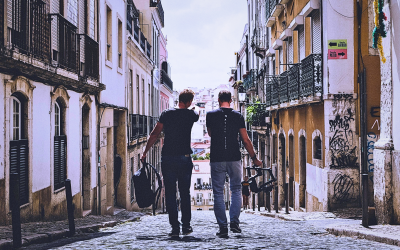
A man in a green shirt standing on a train


Why Ditching the Ride Makes Sense

The most authentic travel experiences happen when you let go of your reliance on a phone and a car. By choosing to explore on foot, you save more than just money on gas and fares. You save the planet and get a front-row seat to the real city. You’ll find the hidden cafes, hear conversations in another language, and get a true feel for a neighborhood.

Studies even show that exploring a city on foot improves your mood and mental well-being. It’s a chance to put down the phone, look up, and be present. You get a taste of local life, from the city’s bus routes to its secret stairways.


A Glimpse from the Top: The Strategic Bus Tour

Sometimes, you just need a lay of the land. Before you commit to walking the whole city, a bus tour can be a smart, strategic starting point.

Most major cities have hop-on hop-off buses, like Big Bus Tours or City Sightseeing, that travel a fixed route of the main landmarks. You can ride the full loop once to get your bearings, learn some history from the audio guide, and make a mental map of places you want to come back to. These tours are best for orientation, not for a deep dive. Use your ticket to see the major sights from the top deck, then hop off and use a different method to truly explore a specific neighborhood that caught your eye.

A double decker bus driving down a street


Be Your Own Tour Guide: The Art of the Walking Tour

A traditional walking tour is about the joy of discovery. It’s an immersive experience a bus can’t provide. You get to feel the cobblestones under your feet and get up close to the historical markers. A self-guided tour is one of my favorite walkable city travel tips.

Go Solo: Download an app like izi.TRAVEL or VoiceMap to get a free audio guide you can follow at your own pace. These guides are often created by local experts and reveal the city’s best secrets.


My Best Discovery: The Chicago Pedway

The Chicago Pedway is Chicago’s downtown pedestrian walkway system, and it lies in the heart of the city. This system of underground tunnels and overhead bridges links more than 40 blocks in the Central Business District, covering roughly five miles. The Pedway connects public buildings, private buildings, and transit facilities serving the CTA, Metra, Amtrak, and the Northern Indiana Commuter Transportation District (NICTD).

The best part of traveling on foot is when a happy accident leads you to a discovery you never planned. My friend and I were in Chicago on a chilly day, with that famous wind whipping down the city streets. We were freezing and about to give up on our walk when we saw a small, unassuming sign for the Pedway.

We ducked inside to get away, and in doing so, we found a whole secret city! It was a maze of tunnels below the city’s streets, with bakeries, coffee shops, and little stores we never would have seen from above. We ended up walking for an hour, completely lost and loving it, until we popped out in the lower level of Macy’s. That unexpected discovery was one of the highlights of our whole trip.


So, the next time you travel, why not leave the rideshare app on the back burner? Embrace the rhythm of the city, find a new path, and discover what’s just around the corner.

Comment below and tell me about the best discovery you ever made on foot! Share this no Uber travel guide with a friend, and follow along for more walkable city travel tips to make your next trip unforgettable.

pexels-rachel-claire-6761987
Sustainable Travel, Travel Guides, Travel Hacks, Travel Philosophy, Travel Tips,

The Art of Slow Travel: Why Rushing Less Makes Trips More Meaningful

Remember that feeling? The one where you’re racing through airport terminals, frantically trying to catch a flight, only to land in a new city with a packed itinerary that leaves you breathless. You’re ticking boxes, snapping photos, and moving on to the next “must-see” landmark. You’ve seen the world, but have you truly experienced it?

This is the reality of “fast travel.” But there is a better way to travel..

Enter  the world of slow travel. This philosophy is a quiet rebellion against the frantic pace of modern life. It’s a mindset that encourages you to trade hurried itineraries for the luxury of time. It’s about more than just a trip; it’s about meaningful travel tips that transform a journey into a deeper connection with a place and its people. This is your ultimate slow travel guide to living like a local, embracing cultural immersion, and finding joy in the unhurried moments.


5 Meaningful Travel Tips for the Slow Traveler

For a first-timer, embracing the slow travel mindset can feel daunting. But it’s not about being idle; it’s about being intentional. Here’s how you can get started.

a person with a suitcase waiting at a train station

1. Stay Longer in One Place.

Forget the “three cities in five days” trip. Choose one or two destinations and spend a week or more in each. This allows you to unpack, settle in, and truly get to know your surroundings. It’s the difference between admiring a painting in a gallery and living inside it.

Tip: Consider a destination that exemplifies the slow pace, like Luang Prabang, Laos, or West Cork, Ireland. These places are built for leisurely exploration.

2. Ditch the Itinerary.

Fast travel is a checklist. Slow travel is a blank page. Instead of a minute-by-minute schedule, pick one or two must-do activities per week. The rest of your time is for spontaneous discovery. Maybe you’ll stumble upon a local street market or find a hidden café where the owner knows your name. That’s where the real magic happens.

3. Rethink Your Transportation.

Instead of flying between cities, take a train. The journey itself becomes part of the adventure. In a new town, walk, cycle, or use local buses. You’ll see things you’d never see from a taxi window, and you’ll instantly connect with the rhythm of daily life. This also aligns with sustainable travel practices by reducing your carbon footprint.

4. Connect with the Community.

A true slow traveler seeks to connect. Instead of staying in a chain hotel, book an Airbnb or a locally owned guesthouse. Shop at farmers’ markets. Learn a few phrases of the local language. Eat where the locals eat. Consider using apps like Couchsurfing o Meetup or airbnb  to find local events and make new friends.

5. Embrace Downtime.

Slow travel isn’t about doing nothing; it’s about being okay with doing less. Spend an afternoon reading in a park or people watching from a café. This travel mindfulness allows your mind and body to relax, ensuring you return home feeling rejuvenated, not exhausted.


The Top 5 Benefits of Slow Travel


Why choose the slower path? The benefits of slow travel go far beyond just saving money. They change how you view the world and yourself.

man lying on white boat

1. Deeper Cultural Immersion

When you slow down, you become a participant, not just an observer. You have the time to learn how to make a regional dish, attend a local festival, or simply have a long, meaningful conversation with a shopkeeper. As a study by Vaya Adventures found, slow travelers are more likely to forge genuine connections with locals, which often become the most memorable parts of their journey.


2. Enhanced Mental Well-being & Reduced Stress

The constant pressure to “see it all” can lead to burnout. In fact, a recent survey found that 28% of travelers are now prioritizing mental health and well-being. By letting go of the need to rush, slow travel reduces travel-associated stress and allows you to truly reset. It’s a natural form of digital detox.


3. It’s More Sustainable

Why slow travel beats fast travel is simple: it’s better for the planet. By choosing trains over planes and walking instead of driving, you significantly reduce your carbon footprint. You also support local economies by staying in locally owned establishments and buying directly from small businesses, which is a key part of ethical tourism.

4. You Save Money

This might seem counterintuitive, but slow travel is often more budget-friendly. Long-term rentals are typically cheaper per night than short-term ones. Cooking at home with ingredients from a local market is far more affordable than eating out every meal. You also eliminate the cost of constant flights and long-distance transportation.


5. A Path to Personal Growth

Slow travel is a journey of self-discovery. By stepping away from the daily grind and embracing a foreign culture, you are forced to adapt, learn, and grow. You have the time to journal, reflect on your life, and see the world from a different perspective. It builds resilience and fosters a deeper appreciation for the world’s diverse ways of life.


Tools for the Mindful Traveler

Embracing this new way of travel is a journey, and having the right tools can make all the difference.

  • For Staying Organized: Don’t let your mind race. Use a project management app like Notion to keep all your travel notes, bookings, and ideas in one place.
  • For Staying Connected: For longer trips, an eSIM service like GigSky offers reliable internet across multiple countries, so you’re not scrambling for local SIM cards. 
  • For Learning: A language learning app like Duolingo can help you learn a few phrases to connect with locals.
  • For Packing Light: A digital luggage scale and compression packing cubes can be game changers, making it easier to move around. 


Your Journey Awaits

Travel is not about what you see; it’s about what you feel. The stories you’ll tell won’t be about the ten landmarks you saw in a day, but about the conversations you had over coffee, the unexpected friendships you made, and the quiet moments that truly changed you.

This is your invitation to slow down. Embrace the art of living in the moment. Your next adventure doesn’t need to be a race. It can be a deep, rewarding journey.

Are you ready to embrace the art of slow travel? Tell us in the comments


pexels-photo-6667210
Uncategorized,

How Winery Architecture Changes the Way You Taste Wine: Design, Space & Flavor

The Psychology of Space: How Winery Architecture Shapes the Way We Taste Wine

Have you ever noticed how wine tastes different at the winery than it does at home? It’s not just the setting it’s the architecture. (sometimes feels that way)

Design matters. The best architectural wineries aren’t just beautiful they’re built to guide your senses. From sound and light to color and layout, everything is crafted to elevate your wine-tasting experience. And that can change how you taste.

Welcome to the intersection of wine and architecture where every detail is intentional, and every sip is shaped by space.

Sensory Wine Tasting: The Hidden Power of Design

This isn’t just ambiance it’s science. Studies show environmental design directly impacts our perception of taste. Here’s how:

  • Color schemes change perceived flavor notes (reds enhance richness, blues boost crispness).
  • Acoustic design affects how relaxed or focused you feel.
  • Lighting impacts mouthfeel and mood.
  • Textures and materials create psychological cues such as  stone gives earthy, wood  brings warm, steel feels crisp.

 The secret behind the most luxurious wine tasting experiences is that , they’re carefully designed for your brain and palate.


Architectural Wineries That Use Space as a Tasting Tool

These wineries blend stunning design with multisensory wine experiences:

  • Antinori nel Chianti Classico (Italy) – An earthy, spiral winery built into the Tuscan hills. Slow ramps, soft light, and silence enhance the wine’s subtle layers.
  • Dominus Estate (Napa Valley) – Designed by Herzog & de Meuron, its minimalist  basalt stone exterior lends the wine an air of quiet elegance and timeless strength.
  • Bodegas Ysios (Rioja, Spain) – A modern icon with flowing curves and mountain views this is wine and architecture at its boldest.
  • Marqués de Riscal (Rioja, Spain) – Designed by Frank Gehry, this hotel + winery combo blends bold design with deep heritagea , its a bucket-list stop for design-savvy wine connoisseur.

Looking for your next wine trip? These are wine travel destinations where architecture becomes part of the story and the flavor.


My Personal Wine + Design Moment

I once visited a winery in Portugal blinding white walls, a long polished tasting bar, and complete silence. I felt like I was walking into a modern art exhibit.

The wine? A bold red aged in amphora. But it was the space that made me slow down, breathe, and actually taste. I picked up crushed herbs, pepper, and dark plum.

Would I have noticed those notes at home in my kitchen with the TV on? Probably not. The space told me: this is a moment. Pay attention.


How to Recreate Winery Architecture at Home

Free A couple enjoying warmth beside a roaring fireplace in a winter setting. Stock Photo

You can mimic these sensory cues for your own wine room or evening ritual. Here’s how:


  • Use soft, warm lighting table lamps, string lights, or candles.
  •  Play low volume instrumental music or nature sounds to calm the mind.
  •  Add tactile textures like linen napkins or a wooden tasting board.
  •  Choose wine glasses with good weight here are affordable somm-style glasses on Amazon 
  •  Keep your space uncluttered. Clean space is equal to  clear senses.

Designing wine spaces at home doesn’t need a huge budget. Just intention.

Bonus: Free Guide download now Designing Wine Space At Home


Grab your FREE checklist: “5 Architecturally Stunning Wineries to Visit Before You Die”.
It includes hidden gems, travel tips, and what to taste at each stop.
Download Now 5 Architecturally Wines


Savor the Space, Not Just the Sip

The next time you raise a glass, look beyond the wine. Feel the space around you. Notice how it shapes your senses.

Whether you’re exploring modern winery design in Spain or sipping at home with candlelight, remember taste is never just taste. It’s architecture, mood, memory, and design.

What’s the most stunning winery you’ve visited or dream of visiting?
Drop your story in the comments or tag us on Instagram @travelvulture

pexels-photo-434311
Wine architecture, Wine Travel,

Uncorking Design: Architectural Masterpieces Reshaping the World of Wine

The Intersection of Terroir and Cutting-Edge Architecture

Wine has always been more than just a beverage; it’s a narrative carved into landscape, culture, and design. Today, we’re diving deep into the world where architectural innovation meets the timeless art of winemaking, exploring spaces that are as intoxicating as the wines they produce.

Beyond the Vineyard: Architectural Storytelling

Modern wineries are pushing boundaries, transforming from traditional production facilities into breathtaking architectural statements. These aren’t just buildings, they’re notification of creativity, sustainability, and technological innovation.

Notable Design Highlights:


  • Technological Integration: Smart design meeting cutting-edge wine production.(Palmaz Vineyards (Napa Valley, California)


  • Cultural Expression: Architectural spaces that reflect regional identity and winemaking heritage.(Bodegas Ysios (Rioja, Spain)


Design Trends Revolutionizing Winery Spaces

  1. Sustainable Sophistication Architects are reimagining wineries as ecological sanctuaries. Think living roofs, solar-integrated structures, and designs that minimize environmental impact while maximizing aesthetic appeal.
  2. Transparency and Experience Modern wineries are creating immersive experiences, with glass walls revealing production processes, tasting rooms that blend indoor and outdoor spaces, and architectural designs that invite exploration.
  3. Minimalist Elegance Clean lines, natural materials, and understated designs that let the wine—and the landscape—take center stage.

Spotlight: Architectural Wine Destinations

Bodega Lurton, Argentina

This may contain: a house with mountains in the background

Located in Mendoza’s wine country, this winery demonstrates how architecture can become a sensory extension of the winemaking process. Its geometric design reflects the precision of wine production while celebrating the surrounding Andean landscape.

Dominus Estate, Napa Valley

A modern stone building surrounded by lush vineyards and rolling green hills under a clear blue sky.

A masterpiece by Herzog & de Meuron, this winery is a testament to how architectural design can elevate the entire wine experience blending function, aesthetics, and environmental consciousness.

Why Design Matters in Winemaking

Architecture isn’t just about aesthetics its also about creating environments that:

  • Optimize wine production
  • Enhance visitor experiences
  • Tell a deeper story about terroir and tradition
  • Push the boundaries of sustainable design

Join the Conversation

Are you fascinated by the intersection of wine, architecture, and innovation?

Subscribe Now: Get a monthly dose of inspiring winery designs, architectural insights, and behind-the-scenes stories delivered straight to your inbox.

Share Your Thoughts:

Drop a comment below and let’s uncork this conversation! ️


pexels-photo-110822
easy wine tasting steps, Modern winery structures, Wine tourism, Wine Travel, Wine Travel, Wine travel experiences,

The Top 10 Wine Regions Every Traveler Should Visit

Wine and travel go hand in hand, offering a perfect blend of culture, history, and indulgence. Whether you’re a seasoned wine enthusiast or a casual sipper, exploring the world’s finest wine regions is an unforgettable experience. From the rolling vineyards of Europe to hidden gems in the Americas, here are ten must-visit destinations for wine lovers.

1. Bordeaux, France

a vineyard with a church in the background

Bordeaux, France is the Ultimate Wine Lover’s Destination and is home to prestigious wineries like Château Margaux and Château Latour. Here you can explore world-class wine tours and tastings in this historic region.

  • Bordeaux has world-class wines and is home to prestigious châteaux and historic vineyards, this region offers a unique tasting experience such as the Cité du Vin wine museum. This interactive wine museum provides multi-sensory experiences, wine tastings from around the world, and a panoramic wine bar overlooking Bordeaux. 
  • Also, don’t forget the must-visit wineries  Château Margaux and Château Latour. 

2. Napa Valley, California, USA


Free Beautiful road view through lush vineyards and orchards in Sonoma, California. Stock Photo

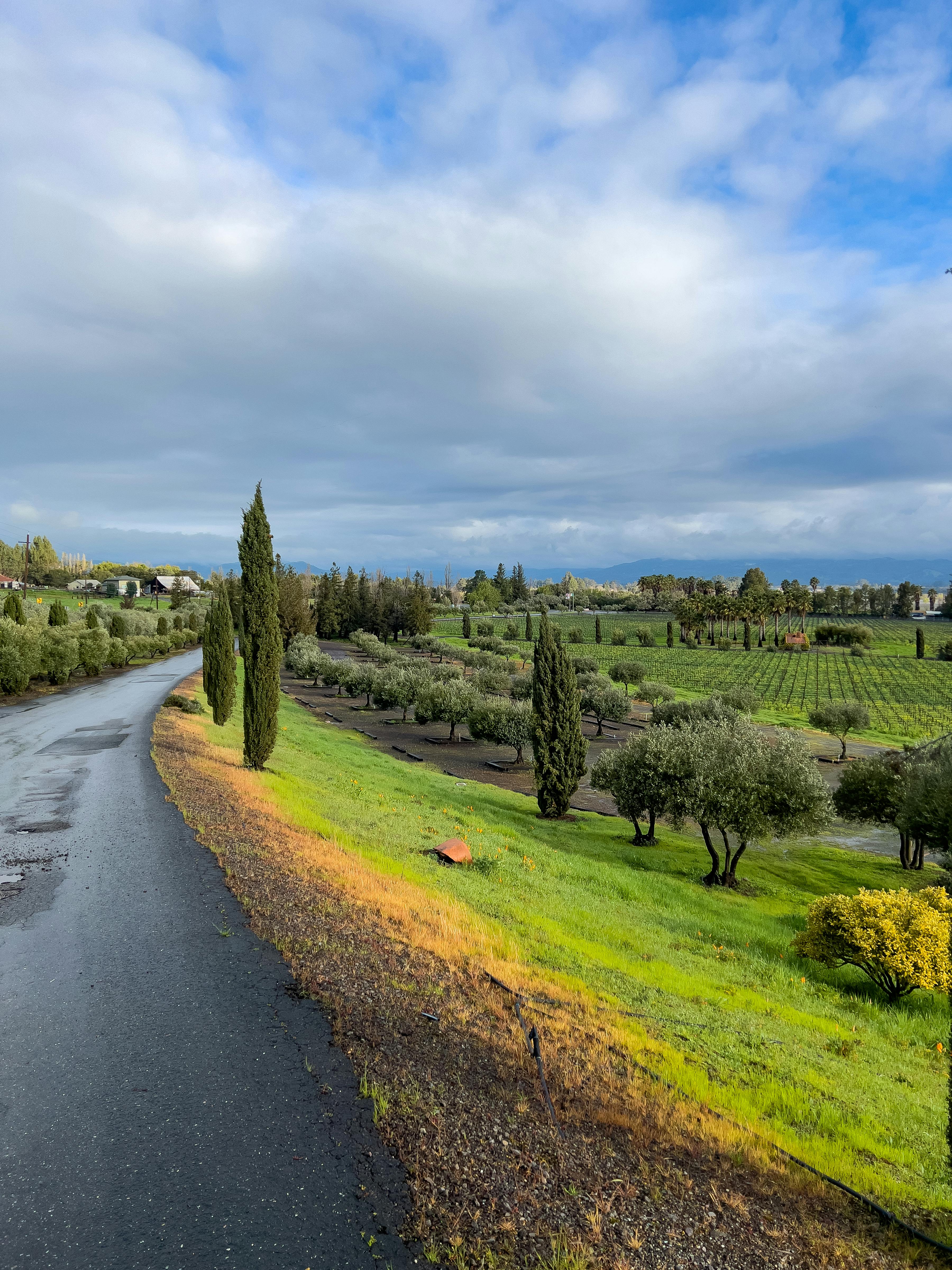
Napa Valley is a must-visit Wine Destination in the USA. The  Napa Valley features over 400 wineries, including Robert Mondavi. Here you will enjoy top-tier tastings, Michelin-starred dining, and breathtaking vineyard views.

  • As the heart of American winemaking, here you can step back in time on this luxury train ride through Napa’s scenic vineyards while enjoying multi-course gourmet meals paired with exquisite wines.  
  • You can visit wineries like Schramsberg or Del Dotto for intimate barrel tastings inside candlelit wine caves, where wines age in perfect conditions. 
  • Need to be more adventurous while sipping wine? Hoop on a hot air balloon ride and roll above  vineyards at sunrise and toast with a glass of sparkling wine as you take in breathtaking views of Napa Valley

3. Tuscany, Italy

Free Aerial view of Montepulciano, Tuscany, featuring rolling hills, historic buildings, and lush greenery under a clear summer sky. Stock Photo

 Enjoy Tuscany’s Best Wine Regions such as  Chianti & Brunello di Montalcino ,Montepulciano and Pienza. Sip Chianti and Brunello di Montalcino produced in Tuscany’s sun-drenched hills while enjoying breathtaking Italian landscapes. 

  • You can also explore historic towns like Montepulciano and Pienza. Don’t miss the best fun activity to do which is stomp grapes the old-fashioned way at a harvest festival in Montalcino or Montepulciano, followed by fresh wine tastings. 
  • Join a truffle-hunting adventure with trained dogs in the forests of Tuscany, followed by a wine-paired truffle feast at a local vineyard. 
  • Explore the stunning landscapes of Chianti Classico on horseback, stopping for wine tastings at small, family-run wineries.

4. Rioja, Spain

Free Unique design of Marques de Riscal Hotel in Elciego, Spain, showcasing modern architecture. Stock Photo

Rioja, Spain is the Best Wine Region for Tempranillo Lovers. This is a must visit Spain’s premier wine region, to enjoy Tempranillo-based reds. It’s also the home to famous wineries  Bodegas and Marqués de Riscal. 

  • Sip on Rioja Reserva wines at the Frank Gehry-designed Marqués de Riscal, an architectural masterpiece blending modern design with traditional winemaking. 
  • You can also explore centuries-old caves at wineries like Bodegas López de Heredia, where wines age in stone-carved cellars beneath Haro, Rioja’s wine capital. 
  • Also, you can Taste rare Gran Reserva vintages aged for decades at historic wineries like La Rioja Alta or CVNE, where Rioja’s legendary aging process comes to life.

a room with wooden walls

5. Mendoza, Argentina

Mendoza, Argentina is the Ultimate Destination for Malbec Lovers. Located at the foot of the Andes, this region offers breathtaking landscapes, high-altitude vineyards, and warm hospitality. Don’t miss a visit to Bodega Catena Zapata.

  • There are a lot of activities that you can do here such as Wine blending workshops where you can participate in hands-on sessions where you can create your wine blends, gaining insight into the art and science of winemaking. 
  • Private tastings with renowned winemakers where you can engage in intimate sessions at esteemed wineries like Bodega Renacer, where you can discuss vintages and techniques directly with the experts.

6. Stellenbosch, South Africa

three person holding wine glasses

Stellenbosch, South Africa is one of the Must-Visit Wine Regions. You can explore South Africa’s best wine region, known for bold reds and stunning landscapes.  Located just outside Cape Town, Stellenbosch is not only known for its bold reds its also known for its scenic vineyards. The region’s food and wine pairings, combined with stunning landscapes, make it a top destination for wine lovers. 

  • There are memorable activities you can do here such as the Hop-On Hop-Off Wine Tractor Tour and explore eight of Stellenbosch’s premier wine farms aboard a unique tractor tour. This hop-on hop-off experience allows you to enjoy yourself in the Golden Triangle’s viticulture, sampling diverse wines at each stop. 
  • Another is the Wine Safari at Waterford Estate. Get on a ‘wine safari’ at Waterford Estate, a guided tour through the vineyards that includes tasting wines at various scenic spots on the property.  
  • Participate in the Stellenbosch Street Soirees, where local wineries and food vendors come together, offering an opportunity to taste a variety of wines and culinary delights in a festive atmosphere

7. Willamette Valley, Oregon, USA

Willamette Valley is the Best Pinot Noir Region in the USA. If you love Pinot Noir, Willamette Valley is a must-visit. With its cool climate and boutique wineries, this region produces some of the best Pinot Noirs in the world. 

  • There are unique activities to do here such as participating in tours that go through biodynamic winemaking practices, exploring how lunar and cosmic influences are believed to impact vineyard health and wine taste. 
  • Visit Corollary Wines’ tasting room in Eola-Amity Hills, where modern design meets traditional winemaking, offering a unique ambiance for the wine enthusiast.  
  • Check out The Arrow Flight at Archery Summit and enjoy a seated tasting in the Tasting House, featuring a flight of single-vineyard Pinot Noir and Chardonnay, all while taking in panoramic views of the Willamette Valley


  1. Douro Valley, PortugalFree Captivating view of vineyards in the Douro Valley, Portugal, with lush green hills and traditional architecture. Stock Photo

Douro Valley is Portugal’s stunning wine Destination, explore Portugal’s famous Port wine region, Douro Valley. Famous for its Port wine, the Douro Valley offers stunning river views and historic quintas. 

  • Take a scenic boat cruise and visit iconic wineries like Quinta do Crasto to experience Portugal’s rich wine heritage. Experience the Douro River’s beauty on a boat trip that includes visits to historic quintas. Learn about traditional wine production methods and sample renowned Douro wines.
  • Get into the soul of the Douro Valley with a guided visit to Quinta de Santa Júlia. Enjoy tastings of their wines and olive oil, complemented by lunch or a picnic with scenic vineyards. 
  • Explore the Museum Cellar at Caves Burmester with a guided tour that goes through the Douro Valley’s winemaking history, followed by curated wine tastings. 


9. Marlborough, New Zealand

Marlborough, New Zealand is known to be the best Sauvignon Blanc region. Marlborough put New Zealand on the wine map with its crisp Sauvignon Blancs. Explore wineries like Cloudy Bay and enjoy fresh seafood pairings while taking in the picturesque vineyards. Marlborough put New Zealand on the wine map with its crisp Sauvignon Blancs. Explore wineries like Cloudy Bay and enjoy fresh seafood pairings while enjoying the views of vineyards. 

  • Visit Cloudy Bay’s Marlborough cellar door to taste their range of wines in a unique setting. 
  • Enjoy an exceptional lunch at Jack’s Raw Bar during the summer, offering fresh, local cuisine.
  • Experience guided tours with Hop N’Grape through Marlborough’s vineyards and breweries. These tours offer insights into the winemaking and brewing processes, with opportunities to taste a variety of wines and craft beers. 
  • You can also discover small, family-owned wineries like Hans Herzog Estate, known for their handcrafted wines and intimate tasting experiences. These boutique establishments offer a personalized insight into Marlborough’s winemaking traditions.

10. Barossa Valley, Australia

Barossa Valley also in Australia, is Australia’s Top Wine Region. Barossa Valley is home to Australia’s most powerful Shiraz wines. Must-visit wineries are Penfolds and Jacob’s Creek for a deep dive into Australia’s winemaking excellence. 

  • Participate in a hands-on cooking class at Jacob’s Creek, where you can prepare dishes paired with their wines. This interactive experience combines culinary arts with wine education. 
  • Enjoy a multi-course meal at St Hugo’s Chef’s Table, where each dish is expertly paired with their premium wines. This gastronomic journey offers insight into the art of food and wine pairing. 
  • Get into a journey through time with a tour of Seppeltsfield’s Centennial Cellar, where you can taste tawny port directly from the barrel of your birth year. This experience offers a deep dive into the winery’s 130-year history.


Whether you’re exploring old-world vineyards or discovering new wine frontiers, each of these regions offers something special for everyone

Ready to plan your wine adventure? Subscribe to our newsletter for exclusive wine travel tips and deals!

pexels-photo-8775200
Culinary Experiences, easy wine tasting steps, Lifestyle, Wine tourism, Wine Travel, Wine Travel, Wine travel experiences,

Discover the Surprising Benefits of Non-Alcoholic Wine: A Complete Tasting Experience Guide

Introduction

Gone are the days when skipping alcohol meant settling for sugary sodas or plain water. The non-alcoholic wine industry is booming, and for good reason. Whether you’re pregnant, the designated driver, health-conscious, or simply curious, today’s alcohol-free wines offer sophisticated flavors and experiences that rival their alcoholic counterparts.

With sales increasing by over 300% in the last five years, it’s clear that non-alcoholic wine is more than just a passing trend—it’s becoming a staple in many households. Let’s uncork the world of non-alcoholic wine and discover why it deserves a place in your glass.

What is Non-Alcoholic Wine?

Free Elegant glasses of red wine on a sunlit table with grapes create a warm, inviting atmosphere. Stock Photo

Non-alcoholic wine is exactly what it sounds like, yes wine without alcohol. But don’t be fooled into thinking it’s just grape juice! True non-alcoholic wine begins life as traditional wine, going through the same fermentation process that develops those complex flavors we love. The alcohol is then carefully removed through various techniques while preserving the wine’s character.

By legal definition in most countries, non-alcoholic wine contains less than 0.5% alcohol by volume (ABV)—about the same amount naturally found in many fruit juices. Some brands achieve 0.0% ABV for those who need to avoid alcohol completely.

The Benefits of Choosing Non-Alcoholic Wine

Health Advantages

Non-alcoholic wine retains many of the health benefits of traditional wine without the drawbacks of alcohol consumption. Studies published in the Journal of Cardiovascular Pharmacology have shown that non-alcoholic red wine contains the same heart-healthy antioxidants, particularly resveratrol, that make red wine famous for its potential cardiovascular benefits.

Additional health benefits include:

  • Fewer calories (typically 20-30 calories per glass compared to 120-150 in alcoholic wine)
  • No hangover or impaired judgment
  • Safe for pregnant women and those on medication
  • Maintains liver health
  • Supports better sleep patterns

Social Inclusion

One of the most overlooked benefits of non-alcoholic wine is the social inclusivity it provides. People who don’t drink alcohol no longer have to feel left out during toasts or food pairings. The ritual of enjoying wine by swirling, sniffing, and savoring , remains intact, allowing everyone to participate in the experience.

How Non-Alcoholic Wine is Made

The production of high-quality non-alcoholic wine is a fascinating blend of traditional winemaking and modern technology. Here’s a simplified look at the process:

  1. Traditional Winemaking: Grapes are harvested, crushed, and fermented just like conventional wine.
  2. Dealcoholization: Once the wine is fully fermented, one of several methods removes the alcohol:
    • Vacuum Distillation: Gently heats the wine under vacuum to lower the boiling point of alcohol, preserving delicate flavors.
    • Reverse Osmosis: Filters the wine to separate alcohol and water from flavor compounds, then reconstitutes without the alcohol.
    • Spinning Cone Column: Uses centrifugal force and nitrogen gas to separate volatile compounds.
  3. Flavor Adjustment: After alcohol removal, winemakers may add back some of the aromatic compounds that were lost in the process.
  4. Bottling: The final product is bottled, often with as much care as premium alcoholic wines.

The best producers use high-quality wine as their starting point—you simply can’t make excellent non-alcoholic wine from poor-quality wine.

Top Brands and Recommendations

Red Varieties

  • Ariel Cabernet Sauvignon – Rich berry flavors and oak notes.
  • Luminara Napa Valley Red Blend – Luxurious taste with the pedigree of a top California winery.
  • Leitz Eins-Zwei-Zero Pinot Noir – German craftsmanship with bright cherry notes.

White Varieties

  • Giesen 0% Sauvignon Blanc – Crisp New Zealand style with classic gooseberry notes.
  • Thomson & Scott Noughty Chardonnay – Organic option with elegant apple and citrus profile.
  • Surely Sparkling White – Fresh and bubbly with hints of peach and floral notes.

Rosé and Sparkling

  • Pierre Zéro Rosé – Delicate berry notes with a dry finish.
  • Freixenet Alcohol-Free Sparkling – Celebratory bubbles with classic cava character.
  • Sutter Home Fre Sparkling Brut – Widely available with pleasant apple and pear notes.

Pairing Non-Alcoholic Wine with Food

One of the joys of non-alcoholic wine is that it follows many of the same pairing principles as traditional wine. The absence of alcohol actually allows some food flavors to shine more brightly!

Pairing Suggestions:

  • Non-alcoholic reds – Grilled vegetables, mushroom dishes, tomato-based pastas, and lighter meat dishes.
  • Non-alcoholic whites – Seafood, salads, creamy sauces, and Asian cuisine.
  • Non-alcoholic rosé – Mediterranean dishes, light pizzas, and summer salads.
  • Non-alcoholic sparkling – Appetizers, brunch dishes, and desserts.

Pro tip: Because non-alcoholic wines often have slightly higher acidity and sweetness, they can pair wonderfully with spicier foods that might overwhelm traditional wines.

Tips for Tasting Non-Alcoholic Wines

Free A serene table setting with red wine overlooking a tranquil sea, perfect for romantic dining. Stock Photo

To get the most out of your non-alcoholic wine experience, follow these expert tips:

  1. Serve at proper temperature – Whites and rosés at 45-50°F, reds at 55-60°F.
  2. Use proper glassware – The shape matters just as much for releasing aromas.
  3. Expect different body – Without alcohol, the mouthfeel will be lighter—adjust your expectations.
  4. Look for quality indicators – Price often (but not always) reflects quality.
  5. Try before committing – Sample different brands to find your preference.
  6. Decant when appropriate – Some non-alcoholic reds benefit from breathing time.
  7. Store properly – While most don’t improve with age, proper storage maintains quality.

The Growing Market

The non-alcoholic wine sector is experiencing remarkable growth. According to a 2023 report by Grand View Research, the global non-alcoholic wine market is projected to reach $30 billion by 2030, growing at a CAGR of 7.8%.

Tips for Buying Non-Alcoholic Wine

  • Check the dealcoholization method (vacuum distillation generally preserves more flavor).
  • Look for products that start with quality wine grapes.
  • Be wary of extremely cheap options, which may be more like flavored juice.
  • Read reviews from dedicated non-alcoholic wine critics.
  • Check sugar content if you prefer drier styles.

Conclusion: The Future of Non-Alcoholic Wine

The non-alcoholic wine category continues to evolve rapidly, with new technologies creating ever-more sophisticated products. As more people embrace mindful drinking, the demand for high-quality alternatives shows no signs of slowing down.

Whether you’re cutting back on alcohol permanently or just for tonight, today’s non-alcoholic wines offer a legitimate alternative that doesn’t feel like a compromise. With continued innovation and growing consumer interest, we can expect the quality and variety to keep improving.

Your Turn to Taste

Have you tried non-alcoholic wine? I’d love to hear about your experiences in the comments below! Which brands have impressed you, and which food pairings have you discovered? Subscribe to our blog for more insights into the exciting world of non-alcoholic beverages, including upcoming reviews, tasting guides, and insider tips from producers.

Remember to share this post with friends who might be curious about exploring non-alcoholic wine—everyone deserves to know about these fantastic options!

free-photo-of-chicago-elevated-train-in-downtown-urban-architecture
Architectural, Architecture, Culture, Travel Adventures, Travel Destinations, Vacation,

10 Must-Visit Destinations for Architecture Lovers: A Global Journey Through Stunning Designs

Architecture is more than just buildings. It’s a living, breathing story of human creativity, cultural identity, and historical evolution. Each structure tells a tale of its time, whispering secrets of civilizations past and present. For the true architecture enthusiast, travel isn’t just about seeing new places, it’s about experiencing the world through its most magnificent constructed wonders. In this ultimate guide, we’ll take you on a global tour of 10 destinations that will make every architecture lover’s heart skip a beat. From ancient wonders to modern masterpieces, these locations promise to inspire, educate, and transform your understanding of built environments.

 Barcelona, Spain: Gaudí’s Architectural Wonderland

Free Sagrada Familia, Barcelona's iconic cathedral, framed by streetlights and trees. Stock Photo

Why It’s a Must-Visit

  • Breathtaking works by Antoni Gaudí, including Sagrada Familia and Park Güell
  • Unique blend of Art Nouveau and organic architectural styles
  • UNESCO World Heritage Sites scattered throughout the city

Travel Tips

  • Best time to visit: April-May or September-October
  • Purchase skip-the-line tickets for major attractions
  • Take a guided architectural walking tour to understand the deeper stories behind the designs

 Dubai, United Arab Emirates: Modern Architectural Marvels

Free Stunning daytime view of Burj Khalifa against a clear blue sky in Dubai. Stock Photo

Architectural Highlights

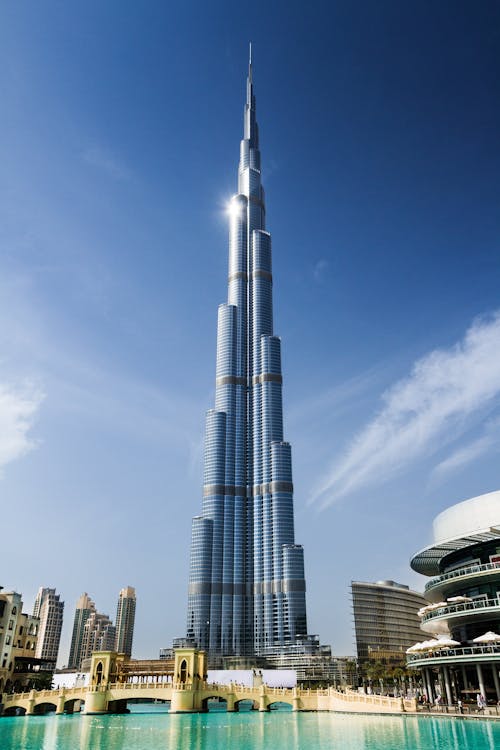
  • Burj Khalifa: World’s tallest building
  • Palm Jumeirah: Incredible man-made island
  • Futuristic skyline that defies traditional architectural boundaries

Insider Advice

  • Visit during winter months (November-March) for comfortable temperatures
  • Book observation deck tickets in advance
  • Consider an architectural boat tour to see the city’s skyline from multiple perspectives

 Rome, Italy: Living Architectural Museum

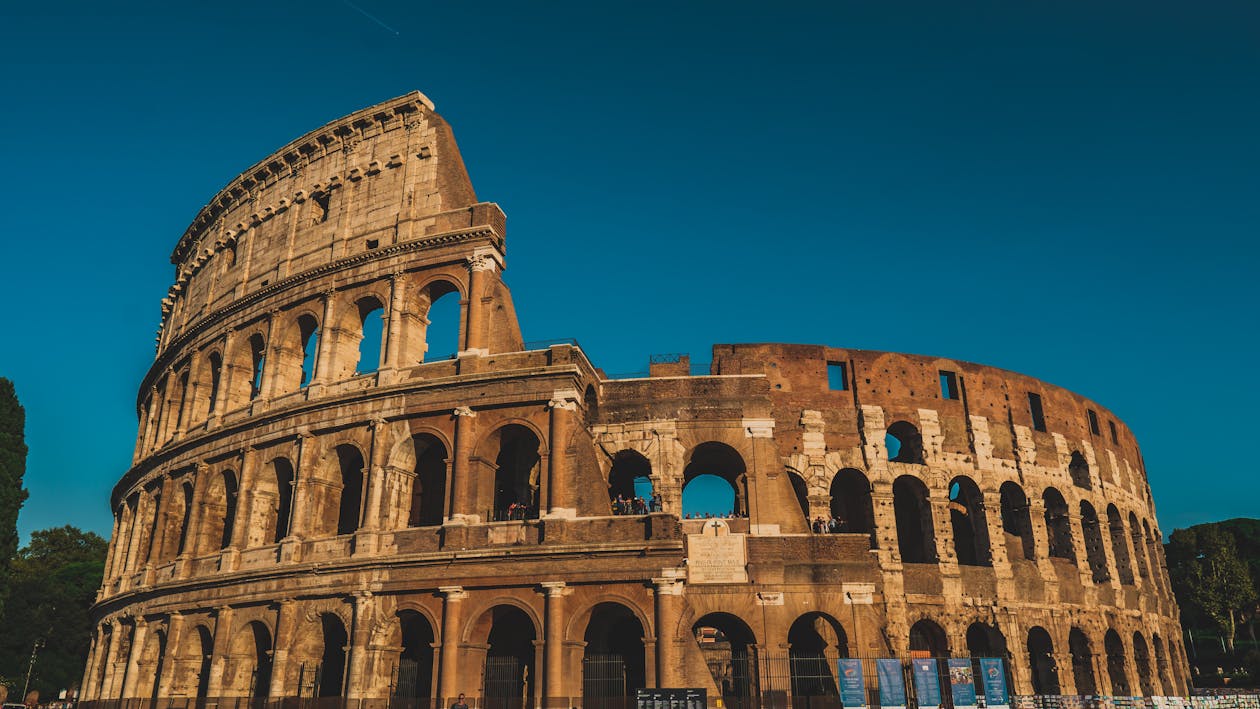
Free Stunning view of the ancient Roman Colosseum in Rome, Italy, captured at sunset showcasing its historic arches. Stock Photo

Historical Architectural Treasures

  • Colosseum: Ancient engineering wonders
  • Pantheon: Perfect example of Roman architectural innovation
  • Vatican City: Renaissance and Baroque architectural masterpieces

Traveler’s Notes

  • Best visited in spring or autumn to avoid peak tourist season
  • Purchase Roma Pass for architectural site access
  • Join specialized architectural history tours

 Chicago, USA: Birthplace of Modern Skyscraper Architecture

Free View of Chicago River nestled among iconic skyscrapers, perfect urban cityscape shot. Stock Photo

Architectural Significance

  • Home to Frank Lloyd Wright’s most iconic works
  • World-renowned Chicago School of Architecture
  • Mix of historic and ultra-modern architectural styles

Exploration Tips

  • Take the famous Chicago Architecture River Cruise
  • Visit during summer for outdoor architectural walking tours
  • Explore Frank Lloyd Wright’s home and studio in nearby Oak Park

Petra, Jordan: Ancient Architectural Wonder

Free Capture of the ancient Petra Monastery in Jordan illuminated by sunset, showcasing stunning sandstone architecture. Stock Photo

Historical Wonders

  • Rock-cut architecture dating back to 300 B.C.
  • Incredible preservation of Nabataean architectural techniques
  • Carved directly into rose-colored rock formations

Visiting Recommendations

  • Best visited in spring or fall
  • Hire a local guide to understand intricate architectural details
  • Plan for at least two full days of exploration

Tokyo, Japan: Fusion of Traditional and Futuristic Design

Architectural Diversity

  • Traditional temples alongside cutting-edge modern structures
  • Minimalist design philosophies
  • Innovative use of space and technology

Travel Insights

  • Visit during cherry blossom season for added beauty
  • Take architectural photography tours
  • Explore both historic districts and modern neighborhoods

Brasília, Brazil: Oscar Niemeyer’s Modernist Playground

Free Close-up of Brasília's Cathedral showcasing modern architecture in Brasília, Brazil. Stock Photo

Architectural Highlights

  • Entire city designed as a modernist architectural experiment
  • Sweeping curves and innovative governmental building designs
  • UNESCO World Heritage Site

Exploration Tips

  • Best visited during dry season (May-September)
  • Join specialized architectural tours
  • Photograph the unique governmental buildings 

Venice, Italy: Architectural Time Capsule

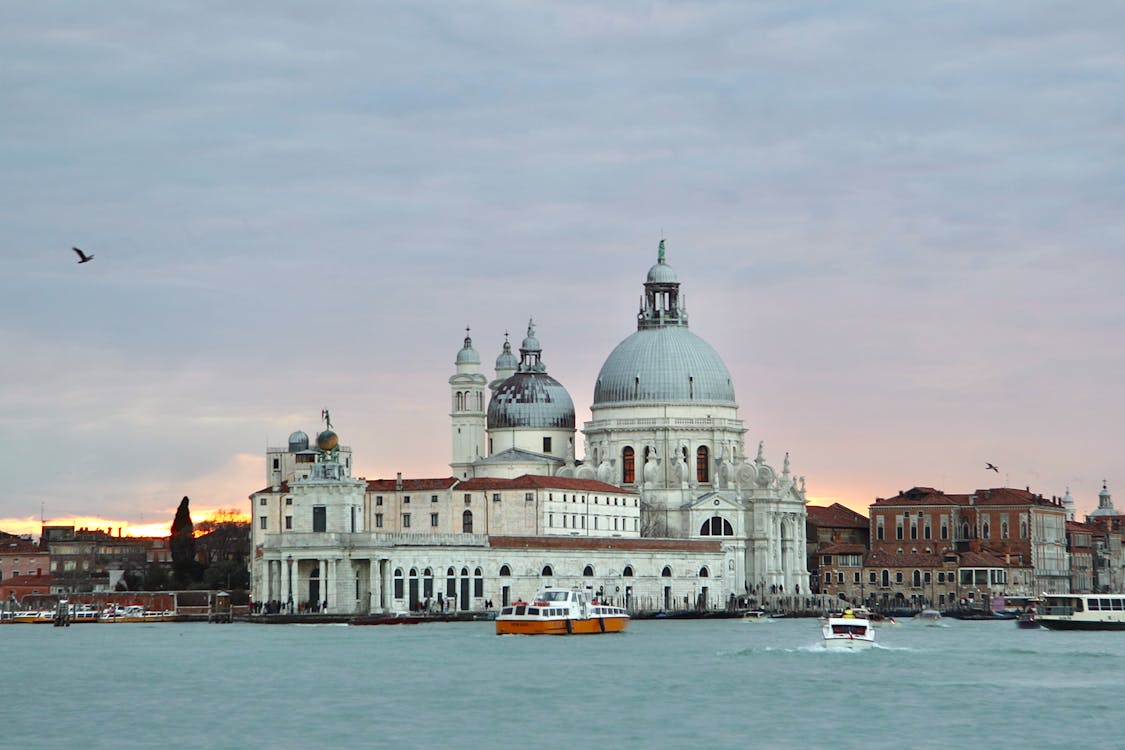
Free View of Santa Maria della Salute with boats on Venice waters at sunset. Stock Photo

Unique Architectural Elements

  • Byzantine and Gothic architectural influences
  • Centuries-old palazzos and churches
  • Unique canal-based urban design

Visitor Recommendations

  • Visit during shoulder seasons (April-May or September-October)
  • Take a specialized architecture and history walking tour
  • Explore lesser-known architectural gems beyond main tourist areas

Singapore: Sustainable Urban Architectural Innovation

Free Stunning view of Supertree Grove with Singapore skyline in the background during sunset. Stock Photo

Architectural Highlights

  • Futuristic green architecture
  • Marina Bay Sands
  • Gardens by the Bay: Architectural and botanical marvel

Travel Advice

  • Year-round destination with consistent temperatures
  • Take night tours to see illuminated architectural designs
  • Visit during Singapore Architecture Festival for special events

Prague, Czech Republic: European Architectural Diversity

Free Explore modern architecture with the Dancing House in Prague, Czechia. Stock Photo

Architectural Treasures

  • Perfect preservation of multiple architectural styles
  • Gothic, Baroque, Renaissance, and Art Nouveau designs
  • Incredible castle complex

Exploration Tips

  • Best visited in spring or early autumn
  • Join specialized architectural walking tours
  • Purchase Prague Card for site access

Conclusion: Your Architectural Journey Begins

These destinations represent more than just travel spots. They are living, breathing museums of human creativity and innovation. Each location offers a unique perspective on how we design, live, and interact with our built environments.

  • Subscribe to our blog for more architectural travel insights
  • Share your favorite architectural destinations in the comments
  • Follow us on social media for daily architectural inspiration
pexels-photo-14238594
Lifestyle, Modern winery structures, Wine tourism, Wine Travel, Winery design,

The Rise of Urban Winemaking: Crafting Quality in the City

Introduction

Imagine being in a lively city full of activities, where wine barrels line modern lofts and the rich, sweet scent of fermenting grapes wafts through the streets. This is urban winemaking, a dynamic movement that seamlessly merges the charm of traditional winemaking with the creativity of city living. Winemaking has found a new home in urban spaces, drawing in both seasoned connoisseurs and curious newcomers. So, what’s behind this exciting shift, and why are more people raising their glasses to city-crafted wines? Let’s get into this trend and discover its unique fascination.

History of Urban Winemaking

Urban winemaking is not as new as it might seem. Its roots can be traced back to ancient cities where wine production was integral to urban life. However, the modern resurgence began in the mid-20th century. Cities like San Francisco and New York became pioneers, driven by winemakers who sought to make wine accessible without owning traditional vineyards.

A pivotal milestone came in the 1990s, when trailblazers such as Charles Bieler and Michael Dorf opened the door to urban wineries, emphasizing creativity over convention. Today, urban winemaking has blossomed into a global phenomenon, with cities worldwide hosting innovative wineries that challenge traditional notions of wine production.

Benefits of Urban Winemaking

Urban winemaking offers numerous advantages that resonate with modern values and lifestyles. Here are some key benefits:

  • Sustainability: Urban wineries often source grapes locally, reducing transportation emissions and promoting eco-friendly practices.
  • Accessibility: Located in city centers, urban wineries bring wine culture closer to consumers, eliminating the need for lengthy trips to the countryside.
  • Community Engagement: These wineries frequently host events, workshops, and tastings, fostering connections among wine enthusiasts.
  • Innovation: Freed from traditional constraints, urban winemakers experiment with bold blends and unconventional techniques.

Notable Urban Wineries

Across the globe, urban wineries are making waves with their distinctive offerings and methods. Here are a few standouts:

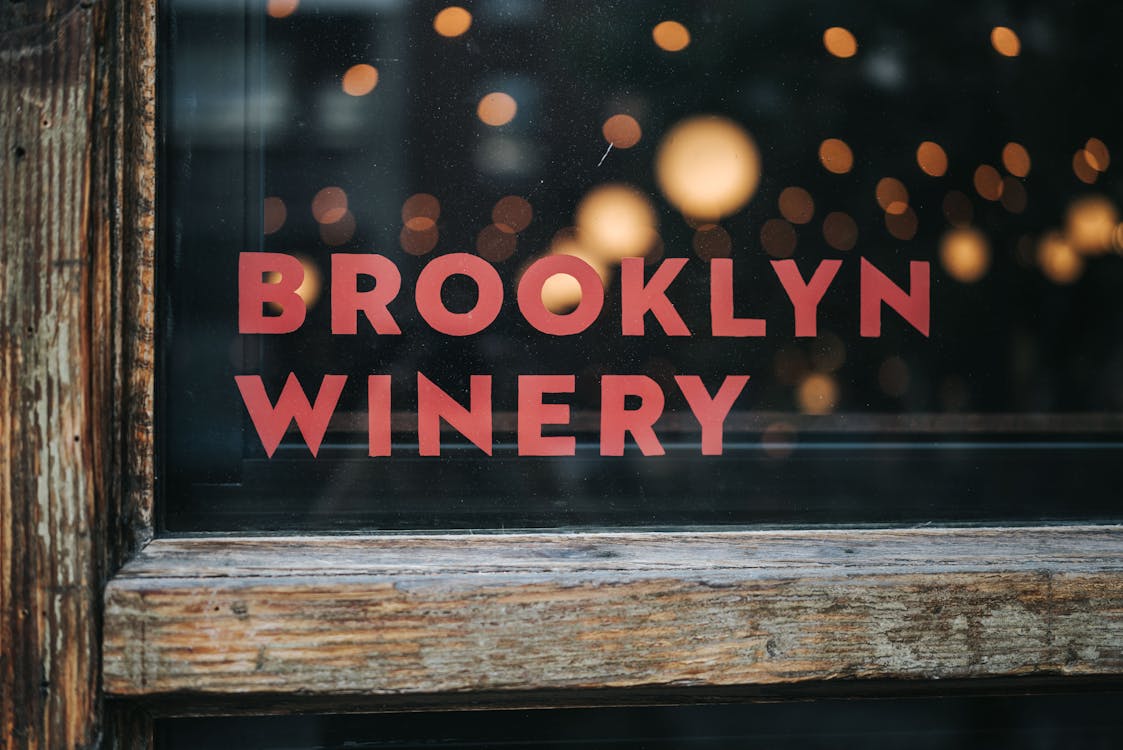
Free Close-up of Brooklyn Winery's vintage window design with blurred background lights. Stock Photo

  1. Brooklyn Winery (New York, USA): Located in the heart of Williamsburg, this winery combines artisanal winemaking with a chic urban vibe. Their small-batch wines, such as the acclaimed Chardonnay, are crafted using sustainably sourced grapes.
  2. City Winery (Multiple Locations, USA): Founded by Michael Dorf, this chain of urban wineries offers a unique mix of winemaking, live music, and fine dining. Their emphasis on local grape sourcing and diverse wine selections makes them a favorite.
  3. London Cru (London, UK): As the city’s first urban winery, London Cru sources grapes from top vineyards across Europe to create wines that reflect both quality and innovation.
  4. Nocturne Wine (Cape Town, South Africa): This boutique winery excels in creating natural wines while leveraging the vibrant culture of Cape Town.

Challenges Faced by Urban Winemakers

While urban winemaking has many advantages, it’s not without its hurdles. Some of the most common challenges include:

  • Space Constraints: Operating in densely populated areas means limited space for equipment and storage.
  • Regulatory Hurdles: Local laws and zoning regulations can complicate the establishment and operation of urban wineries.
  • High Operating Costs: Real estate and overhead costs in cities are significantly higher than in rural areas.
  • Grape Sourcing: Urban winemakers must rely on partnerships with growers, which requires meticulous coordination to ensure quality.

The Future of Urban Winemaking

The future of urban winemaking looks bright, with trends pointing toward further innovation and expansion. Here’s what’s on the horizon:

  • Technology Integration: From AI-driven fermentation processes to advanced temperature control systems, technology will continue to enhance efficiency and quality.
  • Sustainable Practices: Expect a stronger focus on organic grapes, renewable energy, and zero-waste initiatives.
  • Cultural Fusion: As cities become melting pots of cultures, urban wineries will likely experiment with wines that reflect diverse palates and traditions.
  • Wine Tourism: Urban wineries are becoming key players in city tourism, offering immersive experiences that appeal to locals and visitors.

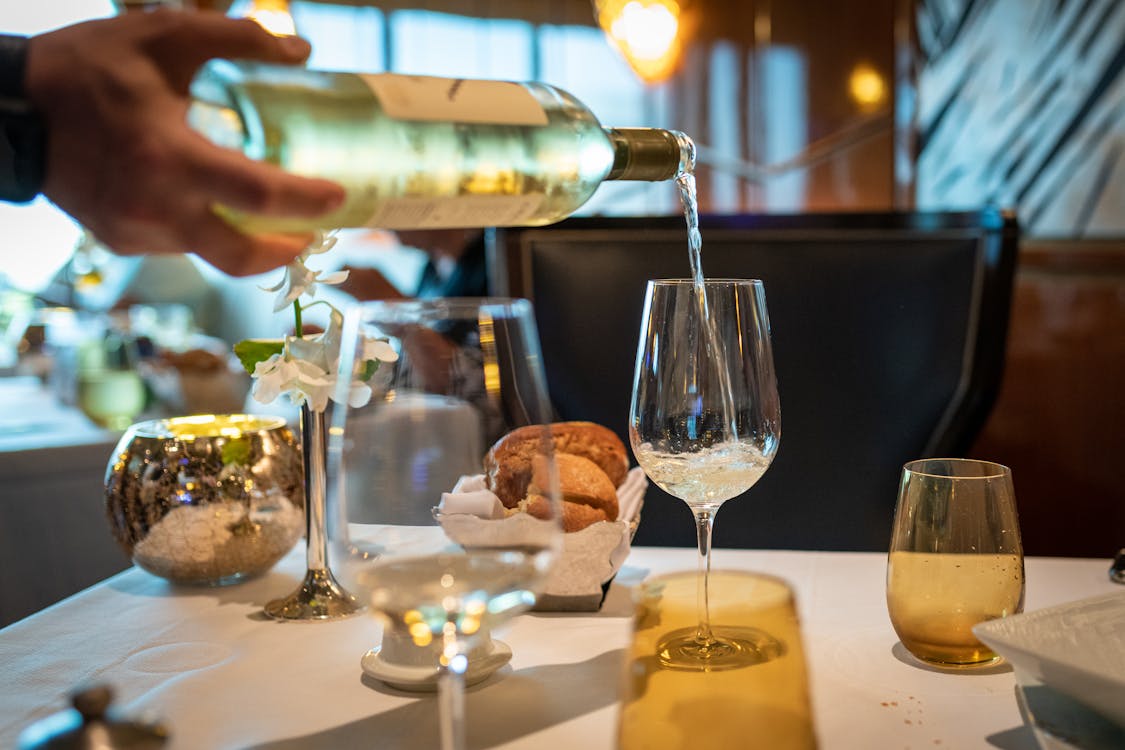
Free Close-up of wine being poured in a glass on a fine dining table setting. Stock Photo

Conclusion

Urban winemaking is more than just a trend—it’s a testament to the adaptability and creativity of the wine industry. By merging sustainability, accessibility, and innovation, city-based wineries redefine how we experience wine. Whether you’re a seasoned sommelier or a curious learner, urban wineries offer an exciting way to connect with the craft. Why not explore one in your city or plan a visit to a renowned urban winery? Cheers to the rise of urban winemaking and the vibrant communities it continues to inspire!