pexels-yessitrex-19043935
Cultural Travel, Travel Guides,

Best Cultural Travel Experiences for 2026

For too long, travel has been about collecting snapshots. We rush to the top of a monument, snap a photo, and move on. We tick boxes off a checklist. But the best trips aren’t about the places you see; they’re about the people you meet, the stories you hear, and the traditions that change the way you see the world.

As a traveler, I’ve learned that truly transformative journeys are those that go beyond the guidebook. They are a deep dive into the heart of a destination. They are immersive travel experiences that leave a lasting mark on your soul.

With 2026 on the horizon, the world is waiting. The time is now to start planning a trip that is less about sightseeing and more about living. Here is my list of the best destinations for cultural travel in 2026, each offering a profound journey into the very essence of a culture.

1. Oaxaca, Mexico: The Soul of a Nation


Oaxaca is a city that lives and breathes its culture. It’s a place where ancient traditions blend seamlessly with a vibrant, modern art scene. I have been to many places in Mexico, but nowhere have I felt the heartbeat of a nation as strongly as I did in Oaxaca. It’s a city you taste, hear, and feel.

A Culinary Journey into Mexico’s Heart

You can’t talk about Oaxaca without talking about food. The city is a UNESCO World Heritage Site not just for its architecture, but for its rich gastronomy. This is where you will find the seven famous varieties of mole, a complex and deeply flavorful sauce with a history that stretches back centuries. My first bite of mole negro was a revelation, a mix of chiles, spices, nuts, and chocolate that was both sweet and savory. It was a flavor I’d never experienced before.

  • Must-Try Foods:
    • Mole: Try mole negro (dark and smoky), mole coloradito (reddish and sweet), and mole amarillo (yellow and spicy).
    • Tlayudas: Often called “Oaxacan pizzas,” these are giant, crispy tortillas loaded with beans, cheese, and your choice of meat or vegetables.
    • Chapulines: Roasted grasshoppers. Don’t knock them until you’ve tried them! They have a delicious, earthy, and salty crunch.
    • Mezcal: The smoky spirit of Oaxaca. Visit a palenque (distillery) to learn about the production process and sip different varieties.

Day of the Dead: More Than a Festival

While Day of the Dead (Día de los Muertos) is celebrated across Mexico, the experience in Oaxaca is on another level. This is not a spooky holiday; it is a beautiful, joyous, and deeply personal time of remembrance. The celebrations begin on October 31st and continue until November 2nd. The city explodes with marigold flowers, vibrant altars (ofrendas), and lively parades called comparsas.

I remember watching a comparsa wind through the streets late at night. Skeletons danced to live music, and the air was thick with the scent of marigolds and copal incense. It felt like the veil between the living and the dead had truly thinned. It was one of the most powerful and moving global cultural events I have ever witnessed.

  • Practical Tips:
    • Best Time to Visit: Late October to early November for Day of the Dead. It gets crowded, so book flights and accommodations months in advance.
    • Cultural Etiquette: Don’t take photos of altars or people without asking for permission. Remember, this is a sacred holiday, not a tourist spectacle.

2. Kyoto, Japan: The Art of Serenity


Kyoto is the very definition of a cultural destination. As Japan’s ancient capital, it has preserved its history and traditions in a way that feels both timeless and deeply alive. It’s a place where every temple, every garden, and every gesture has a story to tell.

The Gion Matsuri: A Tradition Since the 9th Century

If you are planning to visit Japan in 2026, the Gion Matsuri is an absolute must. Held every July, it is one of Japan’s most famous festivals and dates back to 869 AD. The festival takes over the city for the entire month, but the main event is the parade of massive, human-pulled floats, called yamaboko.

I watched in awe as the floats, some weighing over ten tons, were navigated through tight city streets with sheer human power. The atmosphere was electrifying. It was a perfect example of a truly immersive travel experience, where you are not just a spectator but a part of a living tradition.

The Art of the Tea Ceremony

Beyond the grand festivals, Kyoto offers quiet moments of deep cultural significance. One of my favorite experiences was participating in a traditional tea ceremony. It’s not just about drinking tea; it’s a meditative ritual. Every movement is precise, every utensil has a purpose, and the host’s dedication to a flawless experience is humbling. It’s a chance to slow down and appreciate the moment.

  • Key Cultural Experiences:
    • Zen Gardens: Visit Ryoan-ji to contemplate its famous rock garden. The raked gravel and placement of the stones are meant to aid in meditation.
    • Geisha Districts: Walk through Gion in the evening, and you might catch a glimpse of a geiko or maiko (geisha in training) on their way to an appointment. Be respectful and do not chase or harass them for photos.
    • Stay in a Ryokan: For a truly immersive experience, book a night in a traditional inn. You’ll sleep on a futon, bathe in a communal bath, and enjoy a traditional Japanese meal.
  • Practical Tips:
    • Best Time to Visit: July for the Gion Matsuri, or April for the cherry blossoms.
    • Cultural Etiquette: Bow when greeting, remove your shoes before entering a home or temple, and always use two hands when giving or receiving something.

3. Lisbon, Portugal: The Soulful Soundtrack


a couple of yellow trolleys driving down a street

Lisbon is a city built on seven hills, but its true soul lies in its music. The colorful street tiles and lively markets all have a soundtrack. It’s the melancholic sound of Fado. This deeply emotional music is more than just a performance; it’s a window into the Portuguese soul..

The Melancholy and Magic of Fado

I first heard Fado in a small restaurant in the Alfama district. A singer, a fadista, stood with a guitarist and sang with a raw, emotional power. The lyrics spoke of longing, destiny, and a sense of saudade, an untranslatable feeling of nostalgic melancholy. I didn’t understand the words, but the music spoke to me on a visceral level.

Experiencing Fado is one of the best cultural travel experiences for 2026 because it forces you to sit, listen, and feel. It’s a break from the fast pace of modern life and an authentic connection to local tradition.

Festivals and Neighborhood Life

If you visit in June, you’ll witness the Festas de Lisboa. The city transforms into a giant street party celebrating its patron saints. The air fills with the smell of grilled sardines, and the streets are decorated with streamers and balloons. Each neighborhood competes for the best decorations and street entertainment.

A Bonus for 2026: The Solar Eclipse

For anyone planning a trip to this region, 2026 offers a unique bonus. A total solar eclipse will be visible from parts of Portugal and Spain on August 12, 2026. This celestial event provides a perfect opportunity to combine a trip to Lisbon with a rare natural phenomenon.

  • Practical Tips:
    • Best Time to Visit: June for the Festas de Lisboa, or spring/fall for milder weather and fewer crowds.
    • Must-Try Foods: Pastéis de Nata (custard tarts), grilled sardines, and Bacalhau à Brás (shredded codfish).

4. Seville, Spain: The Heart of Flamenco


people gathering near outdoor during daytime

When you think of Spanish culture, you likely picture the passionate dance of flamenco. While you can find it across the country, its heart and soul reside in Andalusia, and more specifically, in the city of Seville. Flamenco is not just a show for tourists; it is a fundamental part of the region’s cultural identity.

More Than a Performance

Flamenco is an art form of immense depth and emotion. It is a fusion of music (cante), dance (baile), and rhythm (toque). It originated with the Romani people and is an expression of their struggles and joys. I once attended a show in a tiny tablao (a flamenco venue) in the Triana neighborhood of Seville. There was no stage, no grand lighting, just a handful of people and the raw power of the performers. The dancer’s face was a mask of intense emotion, her movements a story of fire and passion. The experience was electrifying. It was a perfect example of a truly immersive travel experience.

Beyond the Stage: The Cultural Experience

To truly appreciate flamenco, you have to look beyond the shows.

  • Take a Class: Learning a few basic moves or a simple clap rhythm (palmas) gives you a new appreciation for the skill and passion involved.
  • Visit a Peña: These are local flamenco clubs where locals gather to practice and perform. They are less formal than a professional show and offer a more authentic experience.
  • Practical Tips:
    • Best Time to Visit: Spring for the Semana Santa (Holy Week) and the Feria de Abril (April Fair). These two events are a deep dive into the culture of Seville.
    • Cultural Etiquette: When at a show, silence is key. The performance is a serious, emotional art form, and interruptions are considered disrespectful.

5. Marrakech, Morocco: A Symphony of Senses


a building with a red door and a green statue in front of it

Marrakech is a city that assaults your senses in the best possible way. The air is thick with the scent of spices and mint, the wonderful colors of the souks are everywhere, and the constant sounds of life in the Medina create a soundtrack unlike any other. Stepping into Marrakech is like stepping into a story that has been told for a thousand years. It is one of the best destinations for cultural travel in 2026.

The Living Heart: Jemaa el-Fnaa

The pulse of Marrakech beats in Jemaa el-Fnaa. This amazing main square is a UNESCO-recognized Masterpiece of the Oral and Intangible Heritage of Humanity. During the day, you will find orange juice vendors and snake charmers. But as the sun sets, a true transformation happens. The square fills with hundreds of food stalls, storytellers, musicians, and performers.

I found a spot on a rooftop terrace overlooking the square at dusk. From there, I watched the magic unfold. The smoke from the grills created a haze over the square, and the sounds of music, laughter, and chatter rose into the night sky. It wasn’t a show; it was a living, breathing part of the city.

  • Unique Experiences in Marrakech:
    • Get Lost in the Souks: The labyrinthine alleyways of the Medina are filled with specialized markets selling everything from spices and leather goods to lanterns and carpets. Losing your way is part of the fun.
    • Take a Cooking Class: Learn to make a traditional tagine and discover the secrets behind Moroccan spices.
    • Stay in a Riad: For a truly authentic experience, stay in a Riad, a traditional Moroccan house with an inner courtyard. It is a peaceful, beautiful retreat from the chaotic city streets.
    • Visit a Hammam: A traditional public bathhouse offers a deep-rooted cultural experience and a chance to relax and rejuvenate truly.
  • Practical Tips:
    • Best Time to Visit: Spring and autumn offer comfortable weather. Avoid the peak heat of summer.
    • Cultural Etiquette: Dress modestly, especially in religious areas. Always ask for permission before taking a photo of a person. Be prepared to bargain for goods in the souks; it is a cultural ritual.


Ready for Your 2026 Adventure?

Travel is no longer just about seeing the world; it’s about experiencing it. It’s about leaving a place changed by its people and their stories. These cultural travel experiences offer a chance to do just that. They are an invitation to slow down, listen, and truly connect with a destination.

What cultural experience are you most excited to explore in 2026? Are you heading to Oaxaca for Day of the Dead, or are you hoping to catch a Fado performance in Lisbon? Share your own best destinations 2026 with me in the comments below!

pexels-saizstudio-16039671
Gateway, Lifestyle, Travel, Travel Destinations, Travel Hacks, Travel Tips, Vacation,

7 Luxury Yet Affordable Boutique Hotels in Europe You’ll Fall in Love With

When you dream of Europe, you probably imagine sipping wine on a Parisian terrace, wandering the streets of Lisbon, or watching the sunset over Santorini. But let’s be honest, luxury travel often feels out of reach. The good news? You don’t have to spend a fortune to enjoy an indulgent getaway. Boutique hotels in Europe offer the perfect balance of style, comfort, and affordability. They’re intimate, full of character, and often cost less than big-chain luxury resorts.

Here are seven boutique hotels across Europe that deliver five-star vibes without draining your bank account.


1. Henriette Hotel

  • Location: Paris, France 
  • Price Range: $150–$220 per night 
  • Unique Features: Chic Parisian interiors, locally sourced breakfast, close to the Latin Quarter 
  • Why It’s Worth Visiting: Located on a quiet street, Henriette Hotel feels like your stylish Parisian friend’s home. Each room is decorated with vintage finds and cozy touches, making it the perfect spot to relax after exploring the City of Light.


2. Hotel Josef

  • Location: Prague, Czech Republic 
  • Price Range: $120–$200 per night 
  • Unique Features: Sleek modern design, rooftop views, bakery-fresh breakfast 
  • Why It’s Worth Visiting: For travelers who love modern style, Hotel Josef offers minimalist interiors paired with warm Czech hospitality. You’re just steps from Old Town Square, so sightseeing couldn’t be easier.


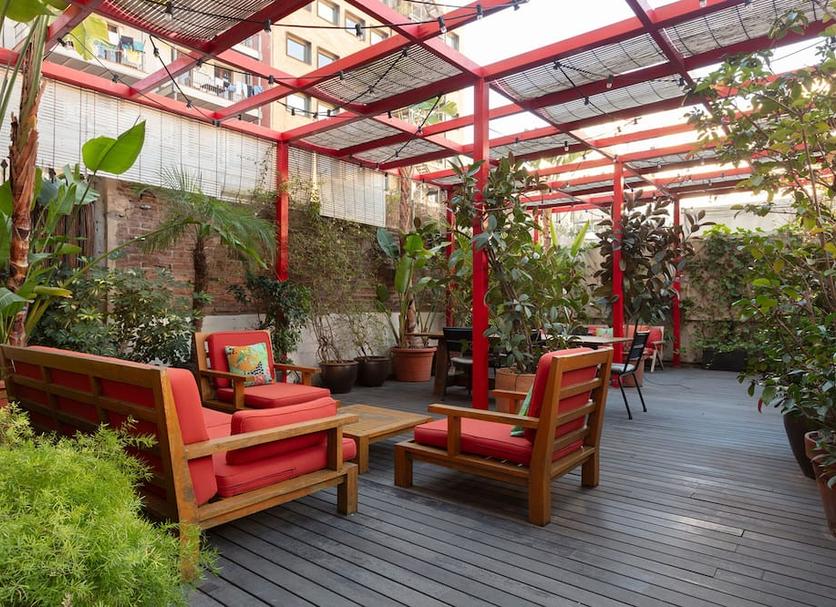
3. Hotel Praktik Garden

Expedia Group

  • Location: Barcelona, Spain 
  • Price Range: $110–$180 per night 
  • Unique Features: Lush indoor greenery, sunlit rooms, central location near Passeig de Gràcia 
  • Why It’s Worth Visiting: True to its name, Praktik Garden is filled with plants and natural light, creating a calming oasis in the heart of bustling Barcelona. It’s ideal for travelers who want stylish comfort at a fair price. 

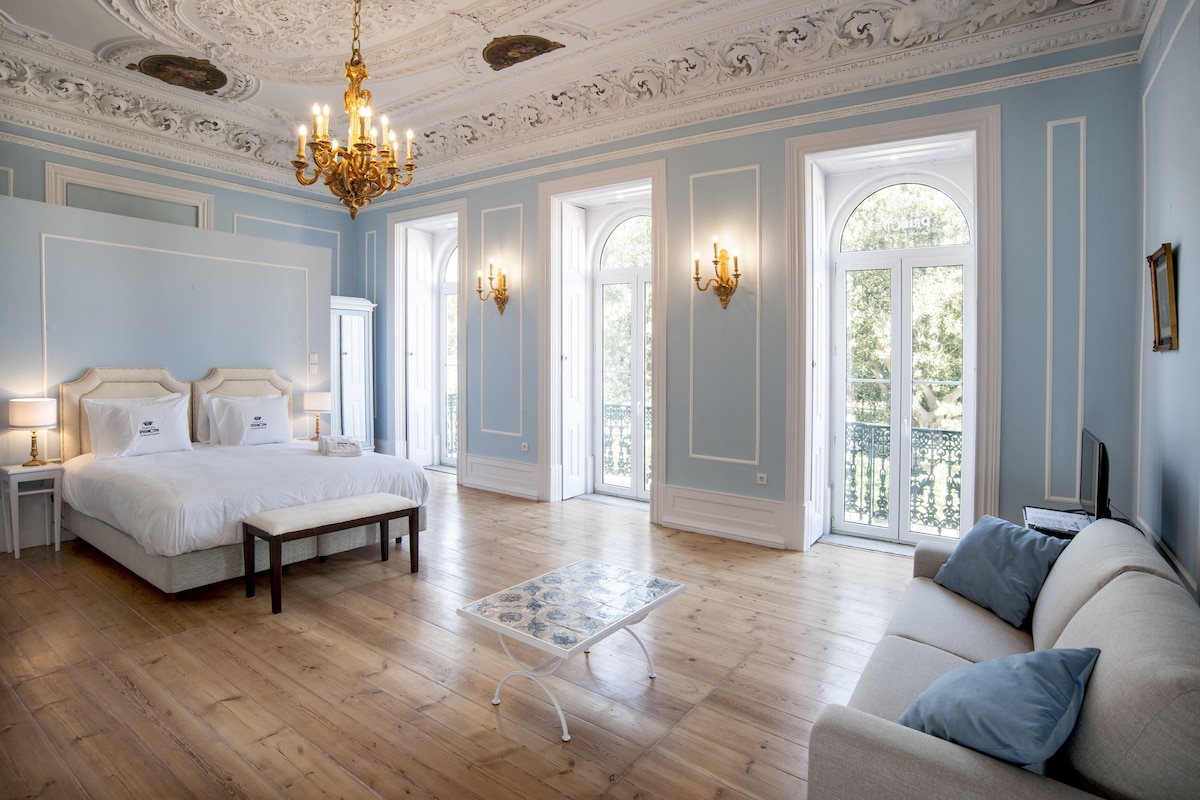
4. Casa do Príncipe

Suite, Balcony (Imperial) | Premium bedding, in-room safe, free WiFi, bed sheets

  • Location: Lisbon, Portugal 
  • Price Range: $130–$190 per night 
  • Unique Features: Elegant 19th-century building, frescoed ceilings, boutique charm 
  • Why It’s Worth Visiting: Overlooking the beautiful Praça do Príncipe Real, this boutique stay feels like stepping back in time. Each room is unique, blending antique character with modern amenities. A complimentary breakfast makes mornings extra special.


5. Artist Residence Oxfordshire

Massey_ArtRes_Ox2_1016+copy.jpg


  • Location: South Leigh, England 
  • Price Range: $170–$230 per night 
  • Unique Features: Eclectic décor, countryside pub, cozy fireplaces 
  • Why It’s Worth Visiting: If you’ve ever wanted to escape to the English countryside, this quirky yet luxurious boutique hotel is perfect. It’s part pub, part inn, and part art gallery, offering a truly one-of-a-kind stay. 


6. Salvatore Ferragamo’s Portrait Firenze

  • Location: Florence, Italy 
  • Price Range: $180–$250 per night 
  • Unique Features: Riverside location, chic Italian interiors, personalized concierge service 
  • Why It’s Worth Visiting: Overlooking the Arno River, Portrait Firenze combines Italian elegance with boutique intimacy. Its curated design nods to Florence’s fashion history, making it perfect for lovers of art, style, and romance.


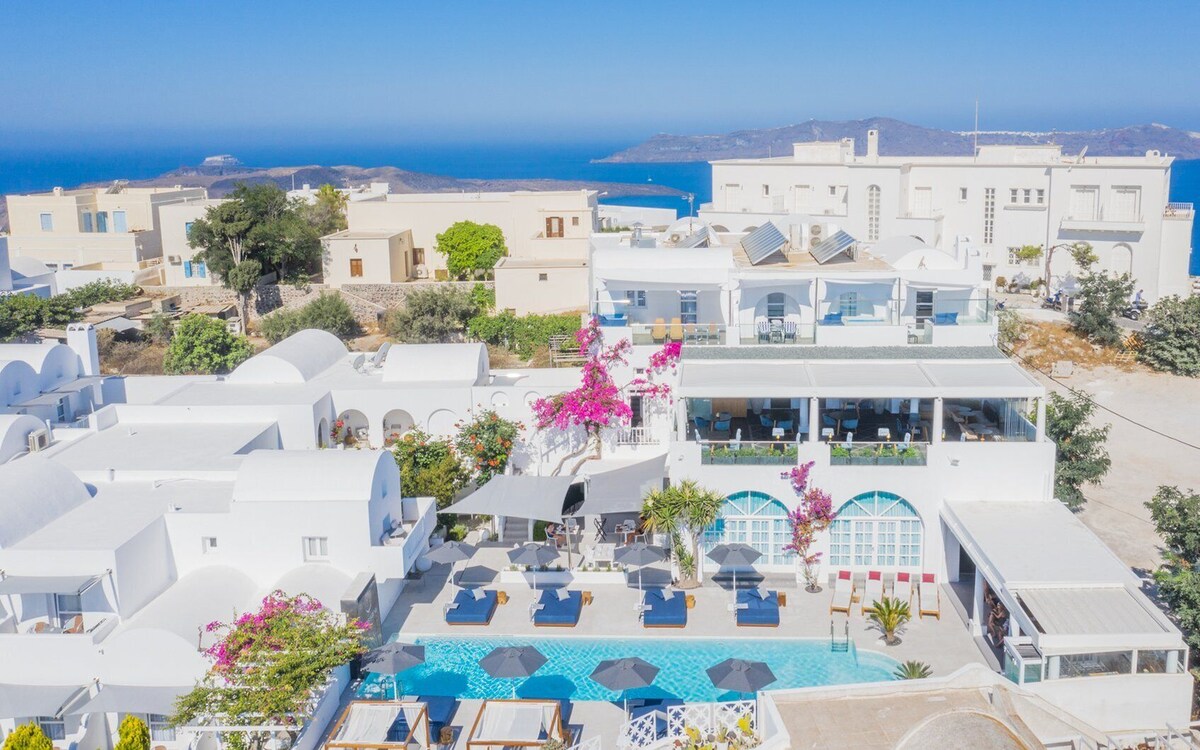
7. Aressana Spa Hotel & Suites

Aerial view

  • Location: Santorini, Greece 
  • Price Range: $160–$240 per night 
  • Unique Features: Cycladic architecture, wellness spa, stunning pool area 
  • Why It’s Worth Visiting: Right in the heart of Fira, Aressana Spa Hotel offers a tranquil retreat while keeping you close to Santorini’s famous nightlife and views. Its spa treatments are a must after a day of exploring the island. 

Europe doesn’t have to be expensive to feel indulgent. These boutique hotels prove that luxury is about the experience, not just the price tag. From Paris to Santorini, each property offers unique character, comfort, and charm without breaking the bank.

So whether you’re planning a romantic escape, a cultural adventure, or a solo retreat, these boutique hotels are your ticket to enjoying Europe in style.

 Pro Tip: Book early, especially during summer months, to lock in the best rates.

Love discovering affordable luxury in Europe?

Sign up for my newsletter and get exclusive boutique hotel finds, insider travel tips, and my FREE 5-Day Luxury Europe Itinerary delivered straight to your inbox.


free-photo-of-marques-de-riscal-hotel-in-spain
Architectural wineries, Modern winery structures, Notable wineries, Wine tourism, Wine Travel, Wine travel experiences,

Rioja Wine Country: Your Ultimate Guide to Spain’s Most Spectacular Wineries and Architecture (2025)

The sun-drenched hills of Rioja paint a picture no Instagram filter can match. Standing at the vineyard’s edge, watching the morning light dance off Frank Gehry’s titanium masterpiece at Marqués de Riscal. This is where centuries-old winemaking tradition crashes into mind-blowing modern architecture and trust me, you need to see it to believe it.

Why Rioja Should Be Your Next Wine Adventure

Have you ever tasted history in a glass? That’s what Rioja does best. As Spain’s first DOCa wine region (think of it as the Harvard of wine credentials), Rioja isn’t just making wine, it’s crafting liquid art. But here’s the kicker: Rioja went bold while other wine regions played it safe. Imagine sipping a complex Tempranillo inside a building that looks like it’s from the year 3000.

Must-Visit Wineries That’ll Blow Your Mind

1. Marqués de Riscal

  • Think Guggenheim meets vineyard
  • Rainbow-colored titanium waves catch sunlight like a disco ball
  • Pro tip: Book the wine-and-architecture tour – thank me later

2. Bodegas Ysios

  • A roof that ripples like wine in your glass
  • Santiago Calatrava’s architectural magic trick
  • Perfect sunset photo spot (your Instagram will thank you)

Beyond the Bottle: Rioja’s Hidden Gems

A city street with a mountain in the background

Skip the tourist traps. Here’s what the locals don’t tell you:

  • The underground cellars of Laguardia hold secrets older than Columbus
  • Haro’s Wine Battle in June turns everyone into a purple-stained warrior
  • Those little bars in Logroño? They serve free tapas that’ll make you weep with joy

When to Visit (Without the Crowds)

October is your sweet spot. The grape harvest wraps up, temperatures chill out, and the vineyards explode in fall colors. Plus, you’ll hear yourself think in the tasting rooms.(because of less crowd)

Make Your Rioja Trip Unforgettable

  1. Stay in a wine hotel (some have spa treatments using grape seeds)
  2. Take a hot air balloon ride over the vineyards
  3. Learn to pair wine like a pro at a local bodega

Local Food Secrets

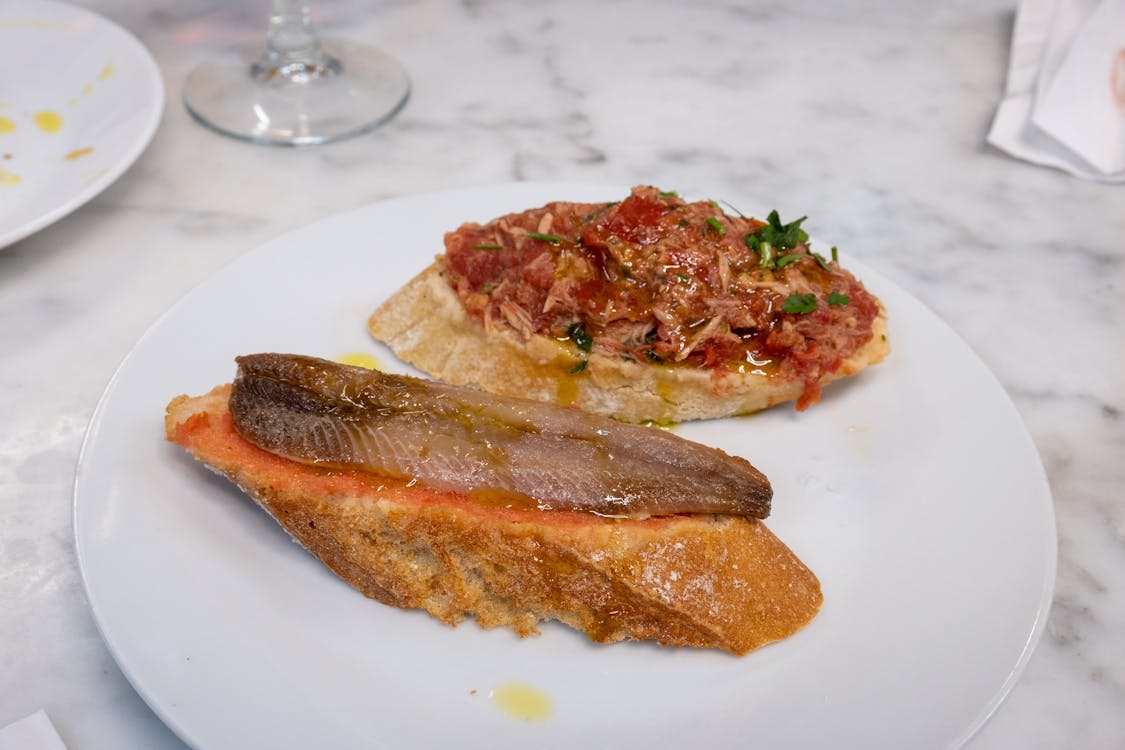
Free Savory Spanish tapas served on a white plate. Ideal for culinary content. Stock Photo

Your taste buds haven’t lived until they’ve tried:

  • Patatas a la rioja (potatoes that’ll ruin all other potatoes for you)
  • Lamb chops grilled over vine shoots (that’s how the locals do it)
  • Pimientos del piquillo (sweet peppers that taste like candy for grown-ups)

Ready to Book Your Rioja Adventure?

The best part? Rioja is just a 4-hour drive from Madrid, and close to 5 hours from Barcelona  Rent a car, grab a map (yes, an actual paper map – trust me on this), and discover why this region is Spain’s best-kept secret. You can also travel by train from Barcelona and Madrid and enjoy the scenery on your way there.

pexels-photo-696218
easy wine tasting steps, how to taste wine like a pro, understanding wine flavors, what makes wines taste different,

Your Friendly Guide to Understanding Wine and Where It Comes From

Have you ever wondered why wines taste so different from each other? The secret lies in where and how they’re made. Let me take you on a journey through the wonderful world of wine – no fancy terms required!

The Magic of Where Wine Grows

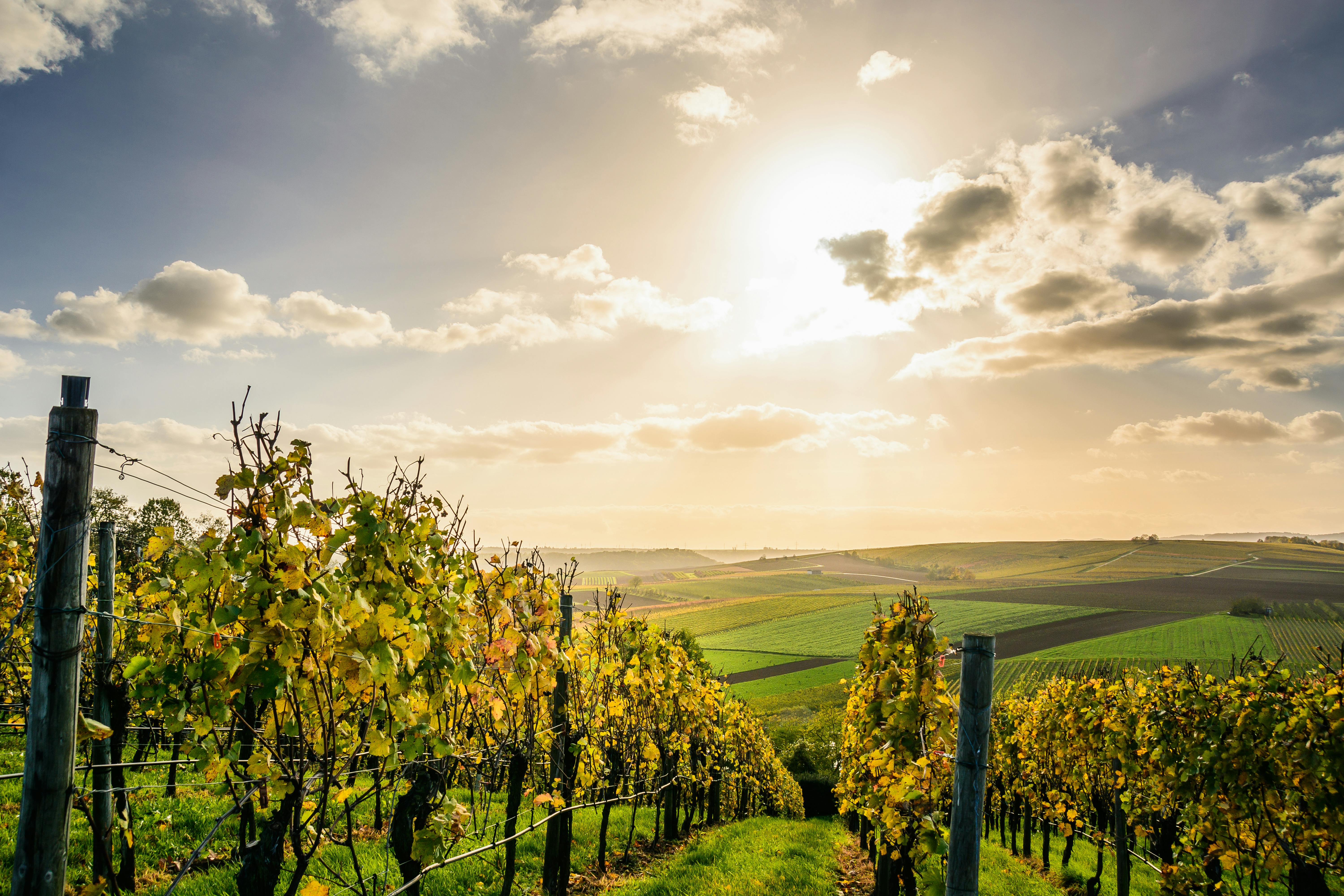
Free Scenic view of a sunlit vineyard under a bright sky in Lauffen am Neckar, Germany. Stock Photo

Think of wine like your favorite garden tomatoes, they taste different depending on where you grow them, right? The same goes for wine grapes. During a trip to Bordeaux, France chatted with a local winemaker who explained to us perfectly how a patch of land gives grapes their special flavor, just like how your garden has its special touch.

When we walked through the vineyards, they showed us how everything matters,  from the type of soil to how much sun the grapes get. Even the weather plays a huge role! Some grapes grow better in warm places, while others love cooler spots. It’s like how some of us prefer summer, while others love winter.

How to Taste Wine 

Free A close-up of a hand holding a red wine glass against a neutral background. Stock Photo

Let’s be honest, wine tasting can seem scary with all those people swirling and sniffing. But the wine expert we met on our tours, breaks it down into simple steps that anyone can follow:

First, look at your wine. Is it dark purple or light red? Golden or pale yellow? This gives you clues about what to expect.

Next, give it a gentle swirl don’t worry if you spill a little bit, we all do at first! and smell it. What does it remind you of? Maybe berries, flowers, or even vanilla? There’s no wrong answer here  it’s all about what YOU smell.

Finally, take a sip. Let it roll around your mouth like you would with a hard candy. What flavors do you notice? Is it sweet or dry? Smooth or a bit rough on your tongue?

Popular Wines Made Simple

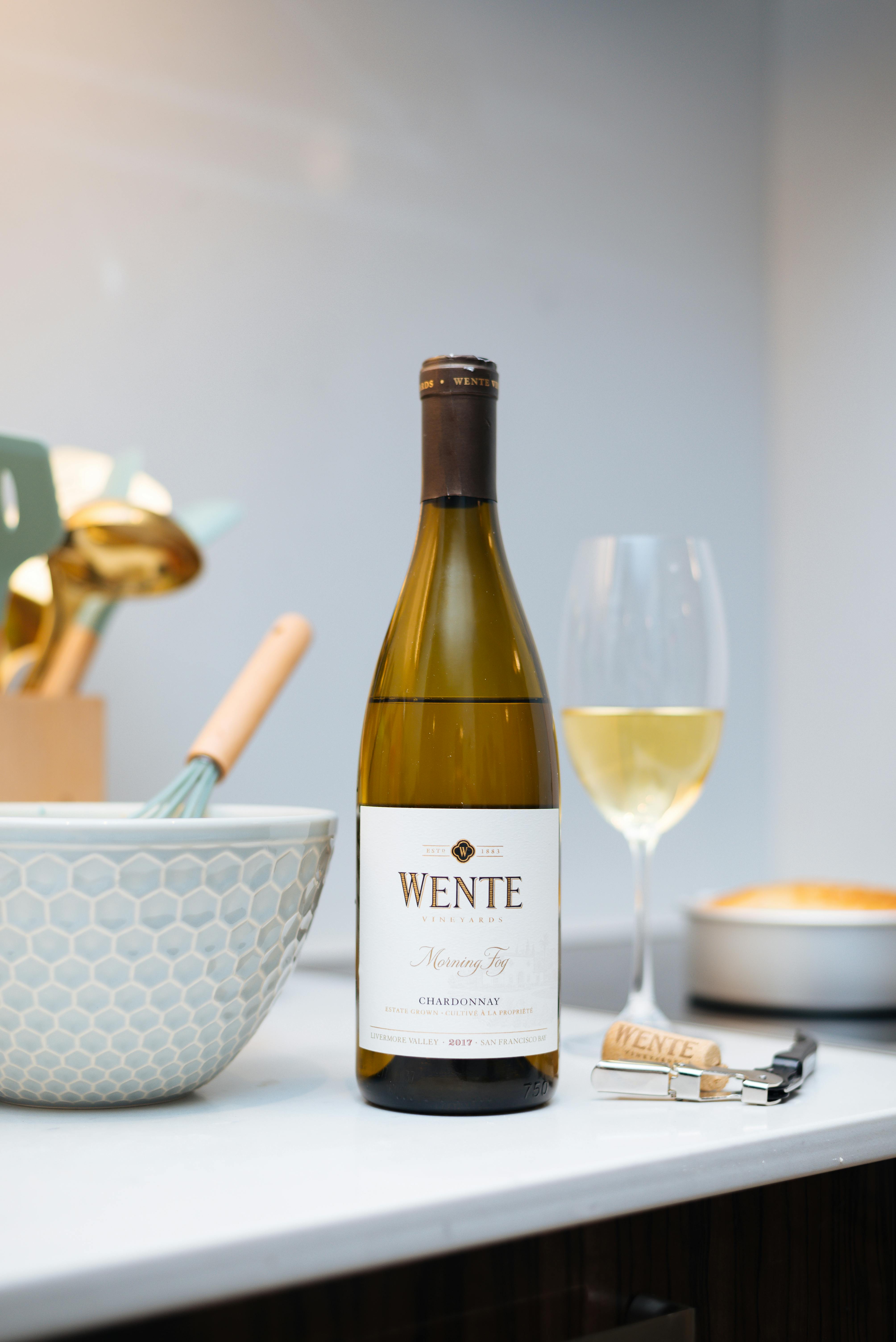
Free Chardonnay wine bottle with glass in a modern kitchen setting. Perfect for culinary stock use. Stock Photo

Here’s a friendly guide to some wines you might encounter:

Chardonnay: Think of this as the “choose your adventure” of white wines. Sometimes it tastes like fresh apples and lemons, other times like buttery popcorn. Both are delicious!

Pinot Noir: This red wine is like that friend who gets along with everyone. It’s not too strong or too light, with lovely cherry and strawberry flavors. Perfect for when you’re not sure what to bring to dinner!

Cabernet Sauvignon: This is the bold, confident red wine that tastes like black cherries and sometimes reminds people of bell peppers (weird but true!). It’s great with a juicy steak.

Why This Matters

person holding glass bottle on round brown wooden table


Understanding wine doesn’t have to be complicated. It’s really about finding what you enjoy. Think of it like music – some people love country, others rock, and that’s perfectly fine! The same goes for wine.

Remember, the best wine is the one you like, regardless of what any expert says. Don’t be afraid to try new things, ask questions, and most importantly, have fun with it!

free-photo-of-wine-bottles-on-shelves
Architectural, Architectural wineries, Lifestyle, Modern winery structures, Notable wineries, Wine architecture, Wine Travel,

The World’s Most Spectacular Wine Cellars: Where Architecture Meets Viticulture

Discover how modern architects revolutionize wine storage while preserving centuries-old traditions in these stunning spaces where design meets wine culture. Deep beneath the earth’s surface lies a world where architecture and wine unite in spectacular harmony. Today, we’re exploring the most innovative wine cellar designs that are reshaping how we store, age, and experience wine. From historic caves in France to ultra-modern facilities in Napa Valley, these architectural masterpieces are changing the game for wine lovers and collectors alike.

Temperature Control Through Design

Modern wine cellar architecture isn’t just about aesthetics. Today’s leading architects use groundbreaking techniques to maintain perfect wine storage conditions naturally. Imagine walls that breathe, regulating humidity without mechanical intervention and thermal mass designs that keep temperatures stable year-round.

The Impact of Natural Materials

The choice of materials in wine cellar construction plays a crucial role:

  • Limestone: Natural humidity regulation
  • Cork: Sustainable and temperature-stable
  • Reclaimed wood: Environmental consciousness meets tradition
  • Natural stone: Thermal mass for temperature consistency

Five Revolutionary Wine Cellar Designs

1. Antinori Winery, Italy

brown spiral staircase near green trees during daytime

This underground wonder seamlessly blends into the Tuscan landscape while housing one of the world’s most sophisticated gravity-flow systems. The spiral staircase leading to the cellar has become an architectural icon, featured in countless design magazines.

2. Château Margaux, France

Photo

Norman Foster’s recent addition to this historic estate shows how contemporary architecture can enhance centuries-old wine-making traditions. The cellar’s innovative climate control system uses no mechanical intervention.

3. Dominus Estate, California

Herzog & de Meuron’s gabion wall design creates perfect wine storage conditions through passive temperature control, while offering a stunning visual statement about modernist architecture in wine country.

4. La Roca, Spain

Carved directly into volcanic rock, this cellar maintains ideal storage conditions naturally while creating an unforgettable tasting experience for visitors.

5. Château Cheval Blanc, France

Christian de Portzamparc’s futuristic design proves that even the most traditional wine estates can embrace cutting-edge architecture without compromising their heritage.

The Future of Wine Storage

The next generation of wine cellar design is focusing on:

  • Sustainable climate control systems
  • Integration with smart home technology
  • Biodynamic architecture principles
  • Enhanced visitor experiences

Expert Tips for Wine Collectors

Whether you’re planning a small home cellar or a major facility, consider these architectural principles:

  1. Natural ventilation pathways
  2. Proper thermal mass calculation
  3. Material selection for humidity control
  4. Lighting design that protects wine

The fusion of wine storage and architectural innovation continues to evolve, creating spaces that are both functional and breathtaking. As we’ve seen, the world’s most spectacular wine cellars prove that proper wine storage can be elevated to an art form.

Your Next Steps

Ready to explore these architectural wonders yourself? Sign up for our newsletter to receive:

  • Exclusive virtual tours of prestigious wine cellars
  • Expert interviews with leading architects
  • Wine storage design tips
  • Early access to wine architecture events
pexels-photo-6366956
Architectural, Architectural wineries, Lifestyle, Modern winery structures, Notable wineries, Wine Travel,

Illuminating Wine: The Impact of Architectural Lighting Design on Wine Storage and Tasting Experiences

Architectural lighting design is a critical yet often overlooked element in creating exceptional spaces. It blends art and science to enhance the aesthetics, functionality, and emotional impact of an environment. In the world of wine, where tradition meets sophistication, lighting plays a pivotal role in both storage and tasting. The right lighting design can transform wine spaces, ensuring proper preservation and elevating the sensory experience for enthusiasts and connoisseurs alike.

From the dim, temperature-controlled wine cellars to the glowing ambiance of tasting rooms, lighting choices directly impact the quality of wine storage and the overall enjoyment of wine tasting. Let’s explore how architectural lighting design enhances these spaces and why thoughtful planning is essential for anyone passionate about wine.

The Role of Lighting in Wine Storage

Ambient, Task, and Accent Lighting in Storage

Wine storage requires a delicate balance of form and function. Lighting should illuminate the space without compromising the wine’s integrity. There are three primary types of lighting to consider:

  1. Ambient Lighting: Provides general illumination, ensuring the storage space is functional and visually appealing.
  2. Task Lighting: Helps with activities like reading wine labels or organizing bottles.
  3. Accent Lighting: Highlights key design features, such as vintage wine displays or architectural details, without excessive exposure.

The Science of UV Light Exposure

UV light is a significant threat to wine. Exposure to sunlight or strong artificial lighting can degrade wine’s chemical compounds, leading to “lightstruck” wine—a condition that alters flavor and aroma. Research suggests that wines exposed to UV light for extended periods can lose their intended characteristics, making proper lighting critical.

Best Practices for Wine Storage Lighting:

  • Use LED lights, which emit minimal heat and no UV radiation.
  • Opt for warm color temperatures (2,700K–3,000K) to mimic a natural, soothing glow.
  • Install motion sensors to reduce unnecessary light exposure.
  • Position lights carefully to avoid direct illumination of bottles.

Temperature Control

Lighting can indirectly affect temperature. Excessive heat from incandescent or halogen bulbs can raise the ambient temperature, disrupting the optimal storage range of 45°F to 65°F. LED lighting, known for its energy efficiency and low heat output, is the ideal solution for wine cellars.

Enhancing the Tasting Experience

Lighting and Sensory Perception

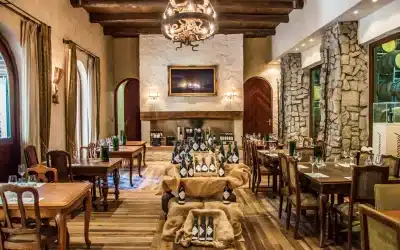
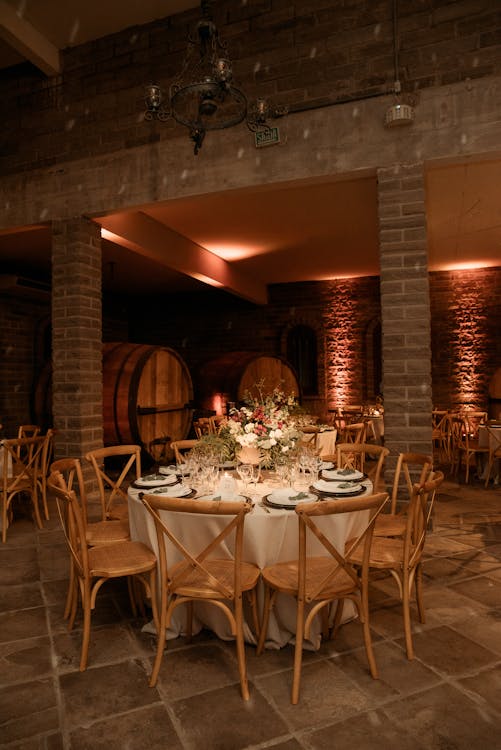
Free Beautifully decorated table setting in a cozy wine cellar with wooden chairs and ambient lighting. Stock Photo

Lighting profoundly influences how we perceive wine during tasting. The color of wine, a critical aspect of evaluation, appears differently under varying light conditions. For instance:

  • Warm lighting enhances the rich, golden hues of white wines.
  • Neutral lighting accurately reflects the deep reds of a Bordeaux or the translucent clarity of a Pinot Noir.

A well-lit tasting environment also sets the stage for appreciating aroma and flavor. Soft, indirect lighting can create a relaxed atmosphere conducive to savoring each sip.

Examples of Effective Lighting Design

Some wineries and restaurants have mastered the art of lighting:

  • Château Margaux (France): Combines heritage architecture with modern lighting to create an intimate yet majestic tasting room.
  • Opus One Winery (California): Uses layered lighting to highlight the wine’s presentation and enhance the ambiance for visitors.
  • Penfolds Magill Estate (Australia): Employs strategically placed accent lights to spotlight their legendary wine collection without risking exposure to UV rays.


Case Studies

La Compagnie des Vins Surnaturels,(Paris)

Photo of bottle

Located in the charming Saint-Germain-des-Prés quarter, this acclaimed wine bar combines French sophistication with modern design. This Michelin-starred wine bar features an innovative lighting concept. LED strip lights embedded in wine racks ensure bottles are gently illuminated without compromising their quality. The dining area’s dimmed lighting complements the tasting ambiance, making wine the star of the show. Their wine list includes over 3,000 references, with particular strength in Burgundy and Champagne, complemented by refined French small plates.

67 Pall Mall,(London)

Photo of bottle

A prestigious members’ wine club and restaurant housed in a historic Grade II listed building in St James’s. This Michelin-starred wine bar features an innovative lighting concept. LED strip lights embedded in wine racks ensure bottles are gently illuminated without compromising their quality. The dining area’s dimmed lighting complements the tasting ambiance, making wine the star of the show. Their climate-controlled wine storage houses over 5,000 wines, and the establishment employs numerous Master Sommeliers who guide members through their exceptional collection.

Practical Tips for Wine Enthusiasts

For wine collectors or homeowners, implementing effective lighting can enhance both the functionality and beauty of your wine space. Here’s how:

  1. Use Dimmable LEDs: Adjustable brightness ensures versatility for different occasions.
  2. Invest in Smart Lighting: Systems like Philips Hue allow you to customize lighting conditions remotely.
  3. Highlight Key Features: Accent lighting can emphasize a prized collection or a unique architectural element.
  4. Install Under-Cabinet Lights: Perfect for illuminating wine racks without direct exposure to the bottles.
  5. Choose Warm Color Temperatures: These create a cozy and inviting atmosphere.

Recommended Products:

  • Philips Hue Lightstrip Plus: Ideal for customizable accent lighting. you can check them out here
  • Lutron Caseta Smart Dimmer Switch: Provides precise control over brightness. You can check them out here
  • GE Refresh LED Bulbs: Energy-efficient and UV-free. You can check them out here

Architectural lighting design goes beyond aesthetics; it’s an essential component of wine preservation and enjoyment. From safeguarding wine in storage to enhancing the sensory experience of tasting, thoughtful lighting choices can elevate any wine space. Whether you’re a collector curating a home cellar or a winery owner designing a tasting room, the impact of lighting is undeniable.

By understanding the nuances of lighting and its relationship with wine, you can create spaces that are as functional as they are beautiful. So, next time you sip a glass of your favorite vintage, take a moment to appreciate how lighting shapes the experience—from bottle to glass.


How do you illuminate your wine space? Share your experiences and tips in the comments below! Don’t forget to subscribe to our blog for more insights on wine, design, and lifestyle.

pexels-jonathanborba-2878738
Culinary Experiences, Food and Beverage,

The Top 10 Food and Wine Hotspots to Visit in 2025

In 2025, food and wine tourism has evolved from a niche interest to a global phenomenon, transforming travel experiences into immersive cultural expeditions that excite the senses and connect travelers with the heart of local traditions. As gastronomy becomes increasingly sophisticated and sustainable, discerning travelers seek destinations that offer more than just a meal—they’re looking for a complete culinary narrative.

The Top 10 Food and Wine Hotspots to Visit in 2025 is your ultimate guide to destinations redefining culinary excellence, blending innovative techniques, sustainable practices, and rich cultural heritage. These locations represent the pinnacle of food and wine tourism, promising unforgettable experiences that go far beyond traditional dining.

Mendoza, Argentina: The Epicenter of New World Wines

Free Delicious Argentine grill plate with fresh bread, peppers, and glass of wine. Stock Photo

Destination Highlight: Located at the foot of the Andes Mountains, Mendoza has transformed from a wine-producing region to a comprehensive culinary destination.

Culinary Landscape: Malbec remains the star, but innovative winemakers are now exploring high-altitude vineyards and biodynamic farming techniques. The region’s cuisine seamlessly blends traditional Argentine asado (barbecue) with modern farm-to-table concepts.

Must-Visit Experiences:

  • Zuccardi Valle de Uco Winery: A sustainable wine complex that represents the future of Argentine viticulture
  • Francis Mallmann’s restaurants: Showcasing Argentine open-fire cooking techniques
  • Uco Valley wine tours with sommelier-led experiences

Local Trends:

  • Sustainable viticulture
  • Indigenous grape variety preservation
  • Experimental wine and food pairing experiences

Visitor Tips:

  • Best time to visit: March-April during harvest season
  • Book wine tours in advance
  • Learn basic Spanish phrases to enhance interactions with local vintners

Provence, France: Reinventing Classic Elegance

Free Outdoor picnic setup with croissants, fruit, brie cheese, and white wine on a sunny day. Stock Photo

Destination Highlight: Beyond its postcard-perfect landscapes, Provence is reimagining its centuries-old culinary traditions.

Culinary Landscape: Rosé wines are being complemented by innovative organic and biodynamic production. Local chefs are reviving ancient Provençal recipes while incorporating global influences.

Must-Visit Experiences:

  • Château d’Esclans: Home of the world-renowned Whispering Angel rosé
  • Les Halles markets in Avignon
  • Culinary workshops in small village kitchens

Local Trends:

  • Sustainable wine production
  • Mediterranean diet preservation
  • Micro-terroir wine experiences

Visitor Tips:

  • Visit between May and September
  • Rent a car to explore small villages
  • Learn about wine and food pairing from local experts

Tokyo, Japan: Where Tradition Meets Futuristic Gastronomy

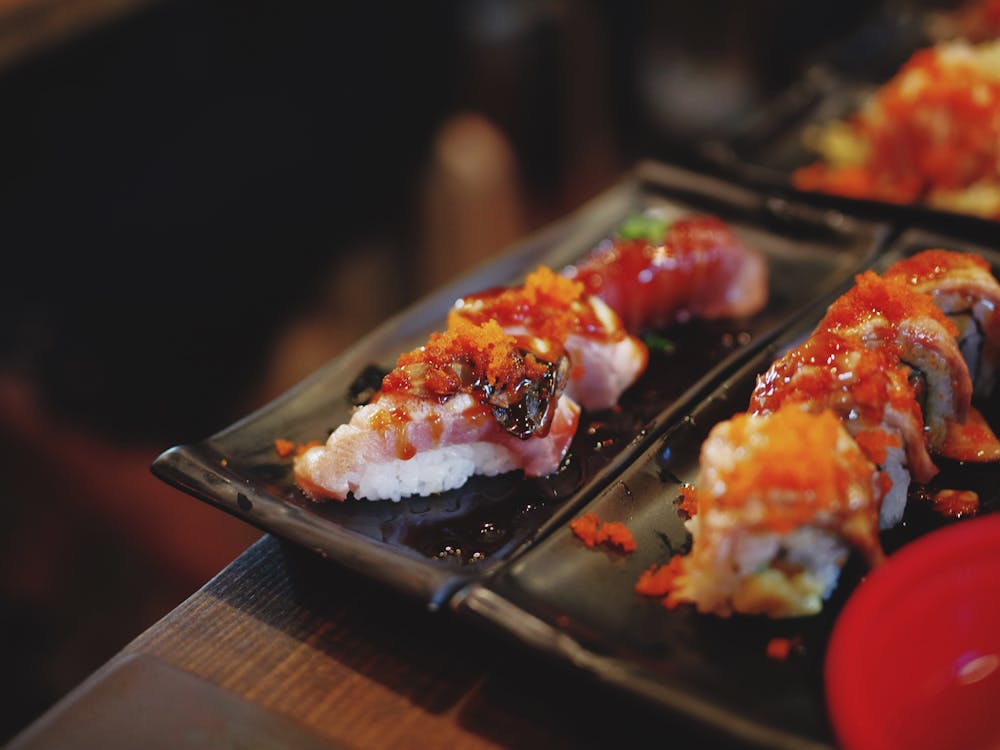
Free Appetizing sushi rolls with toppings served on a black plate, showcasing vibrant colors. Stock Photo

Destination Highlight: Tokyo continues to push boundaries in culinary innovation while maintaining deep respect for traditional techniques.

Culinary Landscape: Beyond sushi and ramen, Tokyo offers hyper-local, micro-seasonal dining experiences that blend cutting-edge technology with ancient cooking methods.

Must-Visit Experiences:

  • Sake breweries in urban settings
  • Michelin-starred street food experiences
  • Tsukiji Outer Market culinary tours

Local Trends:

  • Plant-based Japanese cuisine
  • Sustainable seafood practices
  • Technological integration in dining experiences

Visitor Tips:

  • Best visited year-round
  • Make restaurant reservations well in advance
  • Understand and respect local dining etiquette

Douro Valley, Portugal: The Sustainable Wine Revolution

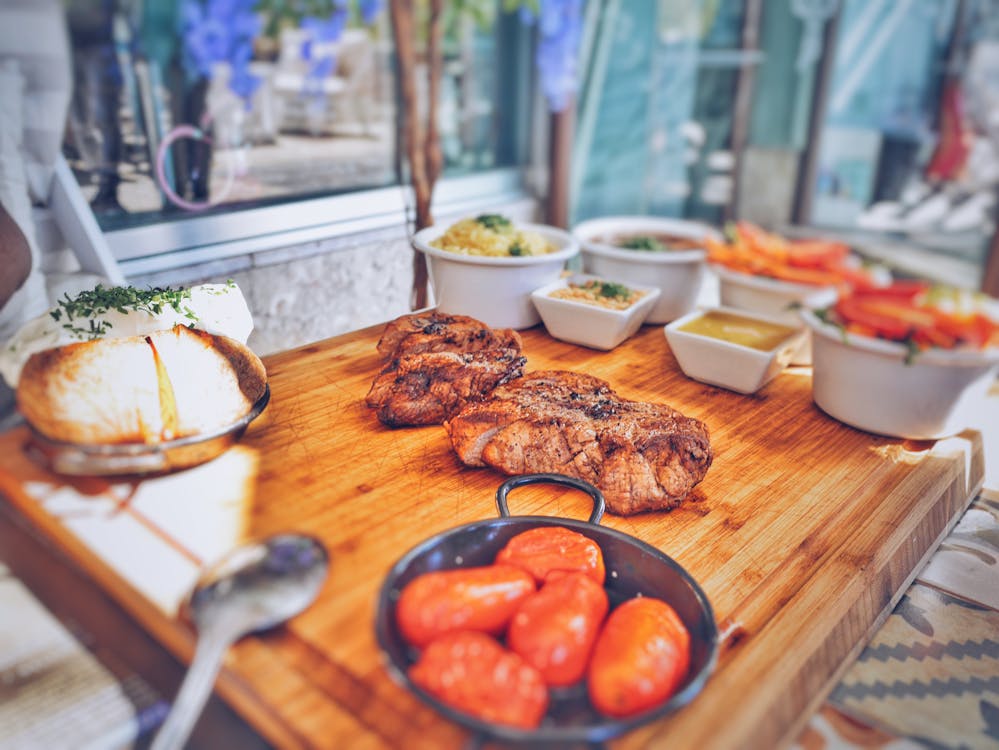
Free Savor the flavors of Portuguese cuisine with juicy beef and fresh vegetables in a rustic setting. Stock Photo

Destination Highlight: Portugal’s historic wine region is leading a global sustainability movement in viticulture.

Culinary Landscape: Beyond port wine, the region now offers innovative wine styles, organic farming, and a deep commitment to environmental preservation.

Must-Visit Experiences:

  • Quinta do Vallado: A cutting-edge sustainable winery
  • River cruise experiences along the Douro
  • Traditional Portuguese cooking classes

Local Trends:

  • Carbon-neutral wine production
  • Indigenous grape variety preservation
  • Agritourism experiences

Visitor Tips:

  • Best time to visit: September during harvest
  • Book accommodations in historic quintas
  • Learn about Portuguese wine terminology

Napa Valley, California, USA: Reinventing Wine Country

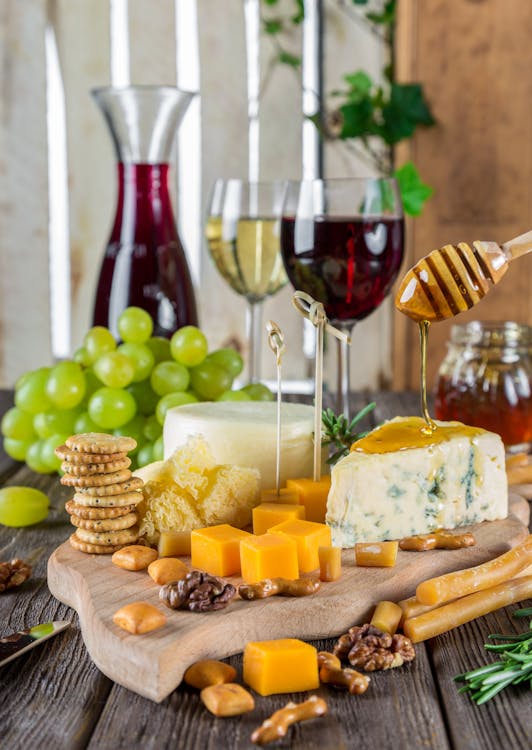
Free Sophisticated cheese platter with assorted wines, grapes, honey, and nuts. Stock Photo

Destination Highlight: Beyond its reputation for premium wines, Napa is now a leader in sustainable and regenerative agriculture.

Culinary Landscape: Wineries are integrating technology, sustainability, and immersive visitor experiences.

Must-Visit Experiences:

  • The French Laundry’s culinary garden
  • Robert Mondavi Winery’s sustainability tours
  • Culinary institutes offering farm-to-table workshops

Local Trends:

  • Climate-adaptive viticulture
  • Regenerative farming practices
  • Tech-integrated wine experiences

Visitor Tips:

  • Visit between March and November
  • Consider bike tours between wineries
  • Book experiences in advance

Tasmania, Australia: The Emerging Culinary Wilderness

Free A colorful assortment of breakfast dishes and drinks in a Perth restaurant setting, showcasing diverse flavors. Stock Photo

Destination Highlight: An unexpected culinary destination offering pristine environments and innovative gastronomy.

Culinary Landscape: Cool-climate wines, artisanal produce, and a commitment to local, sustainable ingredients.

Must-Visit Experiences:

  • MONA (Museum of Old and New Art) restaurant
  • Tasmanian wilderness food tours
  • Boutique whisky and gin distilleries

Local Trends:

  • Indigenous ingredient incorporation
  • Small-batch, low-intervention wine production
  • Foraging and wild food experiences

Visitor Tips:

  • Best visited during Australian summer (December-February)
  • Pack layers for unpredictable weather
  • Engage with local producers

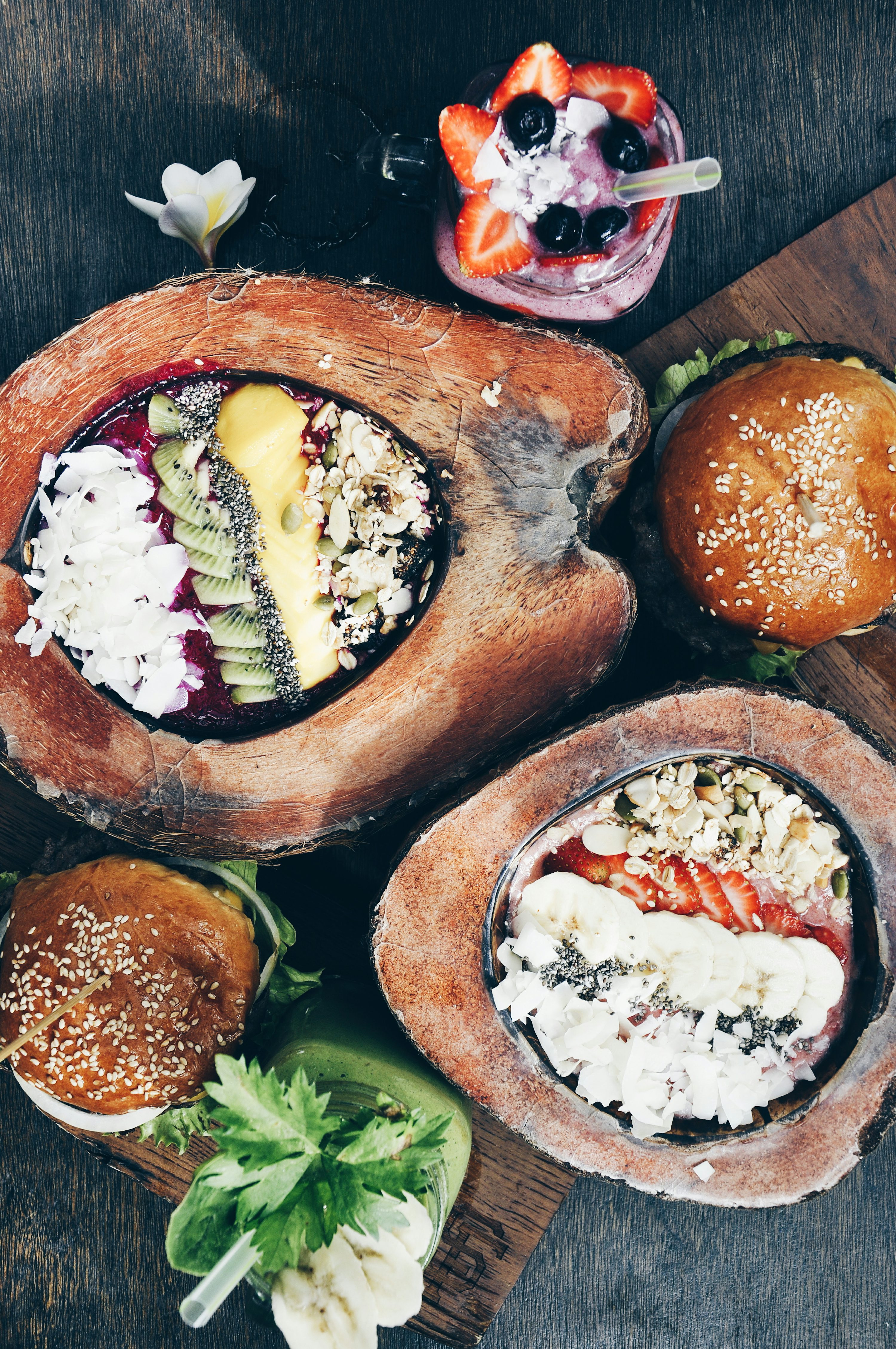
Bali, Indonesia: Spiritual Cuisine Meets Modern Innovation

flat-lay of hamburger, fruit salad, and strawberry shake

Destination Highlight: Beyond traditional Balinese cuisine, a hub of plant-based and wellness-focused dining.

Culinary Landscape: Combining traditional cooking methods with global culinary trends and sustainability principles.

Must-Visit Experiences:

  • Ubud’s plant-based restaurants
  • Traditional cooking classes in local villages
  • Organic farm experiences

Local Trends:

  • Zero-waste restaurants
  • Plant-based and vegan innovations
  • Cultural preservation through cuisine

Visitor Tips:

  • Visit during dry season (April-October)
  • Respect local customs and dress codes
  • Try local, seasonal ingredients

Natural Wine Regions of Georgia: Ancient Traditions, Modern Vision

Free Delicious khachapuri and adjarian dishes served at a Batumi restaurant. Stock Photo

Destination Highlight: The birthplace of wine, offering unique  wine-making techniques and an emerging natural wine scene.

Culinary Landscape: Ancient wine-making methods meeting contemporary sustainable practices.

Must-Visit Experiences:

  • Kakheti wine region tours
  • Traditional Georgian supra (feast)
  • Qvevri wine-making workshops

Local Trends:

  • Natural and orange wine production
  • UNESCO-recognized wine culture
  • Small-scale, family-run wineries

Visitor Tips:

  • Best visited September-October during harvest
  • Learn basic Georgian phrases
  • Be prepared for the generous hospitality

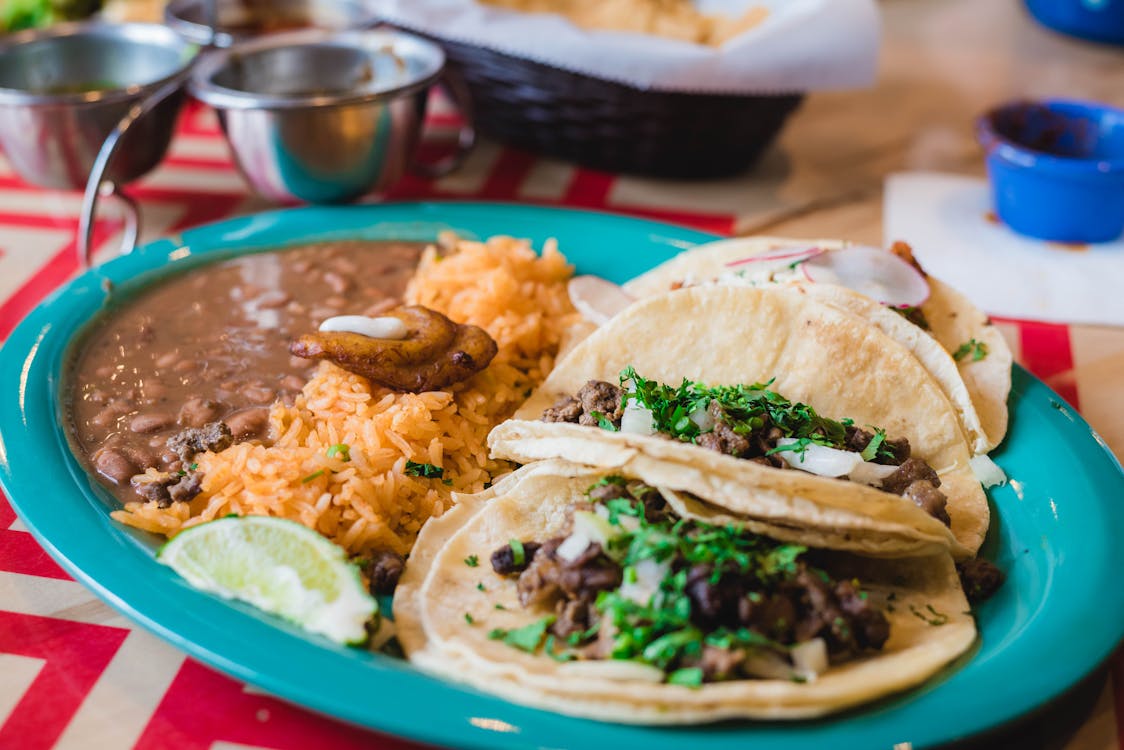
Mexico’s Baja California: The Emerging Culinary Frontier

Free Mouth-watering Mexican tacos served with rice and beans, garnished with cilantro and lime. Stock Photo

Destination Highlight: A dynamic region blending Mexican, Mediterranean, and Pacific influences.

Culinary Landscape: Valle de Guadalupe has transformed into a world-class wine region with innovative farm-to-table experiences.

Must-Visit Experiences:

  • Monte Xanic Winery
  • Coastal seafood restaurants
  • Culinary workshops integrating Indigenous techniques

Local Trends:

  • Sustainable seafood practices
  • Wine and craft beer innovation
  • Cross-cultural culinary fusion

Visitor Tips:

  • Visit between August and November
  • Rent a car for wine route exploration
  • Learn about Mexican wine terminology

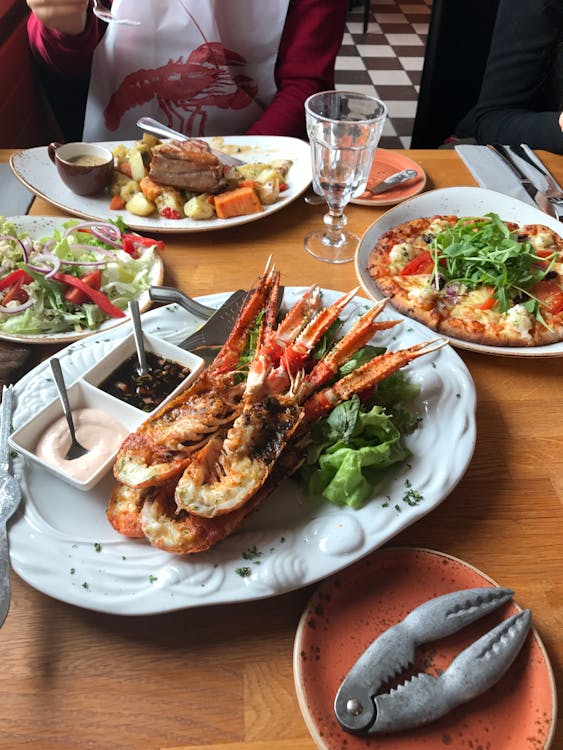
Nordic Countries: Reimagining Cold Climate Cuisine

Free Enjoy a sumptuous seafood meal with lobster, pizza, and salad in a cozy Icelandic restaurant setting. Stock Photo

Destination Highlight: Scandinavia continues to lead in sustainable, innovative gastronomy.

Culinary Landscape: Foraging, fermentation, and hyper-local ingredients define the New Nordic Cuisine movement.

Must-Visit Experiences:

  • Noma’s legacy restaurants
  • Icelandic sustainable fishing experiences
  • Finnish forest foraging tours

Local Trends:

  • Extreme seasonal cooking
  • Climate-adaptive agriculture
  • Technological food innovation

Visitor Tips:

  • Best visited during summer for extended daylight
  • Book high-end restaurants months in advance
  • Embrace the concept of “hygge” in dining experiences

Conclusion: A World of Flavor Awaits

The Top 10 Food and Wine Hotspots of 2025 represent more than just destinations—they are culinary narratives, showcasing how food and wine can be powerful mediums of cultural expression, sustainability, and innovation.

As we look forward to these extraordinary destinations, we’re reminded that travel is not just about seeing new places, but about experiencing the world through its most fundamental and connecting element: food.

Have you visited any of these destinations? What was your most memorable culinary experience? Share your stories and inspire fellow food lovers in the comments below!

Disclaimer: Always check current travel guidelines and local restrictions before planning your trip.


pexels-medhat-ayad-122846-451832
Architectural wineries, Modern winery structures, Notable wineries, Wine architecture, Wine Travel, Wine travel experiences,

The Architectural Evolution of Wine Cellars: From Ancient Caves to Modern Attractions.

Wine cellars have evolved significantly over millennia, from simple natural storage spaces to sophisticated architectural feats. This progression reflects technological advancements and the changing cultural and aesthetic values surrounding wine.

Historical Context: The Origins of Wine Storage

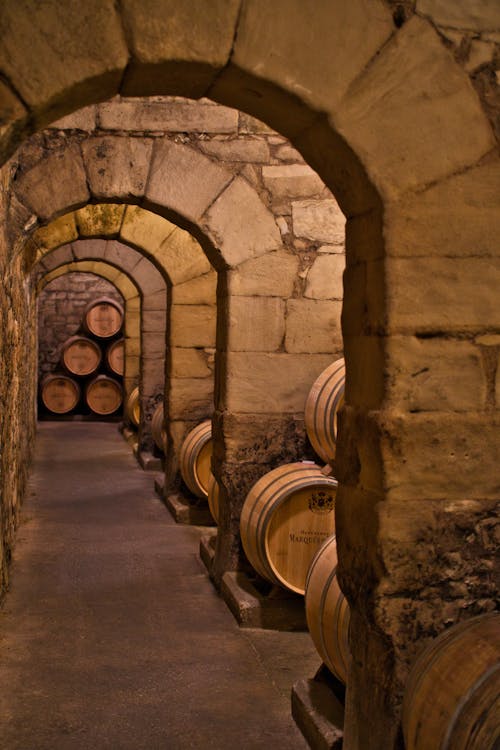
Free Cavernous stone wine cellar in Elciego with wooden barrels. Stock Photo


The earliest wine storage methods date back thousands of years, with ancient cultures leveraging natural caves and subterranean spaces to preserve wine. These early “cellars” offered consistent cool temperatures and high humidity, ideal for slowing the aging process and preventing spoilage.

  • Ancient Mesopotamia and Egypt: Archaeological evidence from Mesopotamia (circa 6,000 BCE) suggests wine jars were stored in cool, dark environments like underground pits or cellars. Egyptians used amphorae sealed with clay or resin to store wine in subterranean granaries.
  • Greek and Roman Influence: The Greeks advanced wine storage by building underground cellars with stone walls to insulate against heat. Romans took it further, constructing caldaria (hot rooms) and frigidaria (cold rooms) in villas, indicating an understanding of temperature control for optimal storage.

Significance: These early methods underscore the importance of preserving wine for religious ceremonies, trade, and social gatherings.

Design Innovations: Advancing Storage Solutions

With time, wine storage methods advanced, driven by architectural ingenuity and material innovation.

  • Medieval Monasteries: During the Middle Ages, European monasteries became winemaking centers, using vaulted stone cellars beneath abbeys. These spaces provided natural insulation and protected wine from the elements, fostering the development of aging techniques.
  • 17th-19th Centuries: Innovations like cork stoppers and glass bottles revolutionized wine storage, leading to purpose-built cellars in private homes. Georgian and Victorian estates featured wine cellars with brick-lined walls to maintain consistent temperatures.

Technological Influence: By the 19th century, thermometers and hygrometers became common in cellars, allowing owners to monitor storage conditions precisely.

Modern Developments: The Luxury of Contemporary Wine Cellars

a wooden shelf filled with bottles of liquor

Today, wine cellars are no longer mere storage spaces but architectural masterpieces that blend form with function.

  • Climate-Control Systems: Modern cellars feature advanced technologies for regulating temperature (50-55°F), humidity (60-70%), and light exposure. Cooling units, humidifiers, and UV-resistant glass have become standard components.
  • Aesthetic Integration: Contemporary designs prioritize visual appeal, incorporating custom shelving, LED lighting, and sleek finishes. Wine cellars are often designed as showcases, doubling as tasting rooms or entertainment spaces.
  • Integration with Homes: Architects now incorporate wine storage into home layouts, from under-staircase cellars to full-fledged wine rooms that complement modern interiors.

Trend Alert: The rise of compact wine fridges and urban wine walls caters to city dwellers, making wine storage accessible without a traditional cellar.

Preservation Techniques: Balancing Science and Design

The science of wine preservation has shaped cellar architecture, ensuring wines maintain their quality over time.

  • Temperature Control: Consistent temperatures prevent the expansion and contraction of wine, which can damage corks and spoil the contents.
  • Humidity Management: Proper humidity levels keep corks moist, ensuring an airtight seal. Excess humidity, however, can encourage mold growth.
  • Light Protection: Modern cellars often use UV-filtering glass or situate wine away from direct sunlight to prevent light damage.

Key Insight: Architectural design is pivotal in creating an environment that safeguards wine while enhancing its aging potential.

Cultural Significance: From Utility to Luxury

The role of wine cellars has transformed dramatically, reflecting broader societal shifts.

  • Symbol of Status: In the Renaissance and beyond, wine cellars became symbols of wealth and sophistication, with elaborate designs showcasing fine vintages.
  • Cultural Experiences: Today, wine cellars are experiential spaces where enthusiasts gather for tastings, fostering community and appreciation for winemaking.
  • Architectural Showpieces: High-profile wineries commission renowned architects to design iconic cellars, blending art and utility. For example, Santiago Calatrava’s Ysios Winery in Spain is as much about visual impact as it is about preserving wine.

Conclusion

The architectural evolution of wine cellars encapsulates the interplay of tradition, innovation, and cultural value. From the humble natural caves of ancient civilizations to the technologically advanced and aesthetically pleasing cellars of today, each era has contributed to refining how wine is stored and celebrated. As modern designs continue to push boundaries, wine cellars remain a testament to humanity’s enduring reverence for this age-old beverage.