
The first time I walked into a tasting room, I didn’t know what to do with my hands.
Everyone around me seemed to know something I didn’t. They swirled their glasses like it meant something. They used words like “tannin” and “finish” and nodded at each other like they were speaking a language I’d missed the lesson for. I ordered whatever the person next to me ordered and hoped nobody would ask my opinion.
Years later, I know the secret. Nobody in that room knew as much as they were pretending to. Wine tasting isn’t a test. It’s an afternoon. Here’s everything I wish someone had told me before my first trip.
Start small. Don’t book a five-winery day.
The biggest mistake beginners make is trying to see everything at once. Pick one winery. Two at most, if they’re close together. You’re not collecting stamps. You’re tasting wine, slowly, without a clock running.
You can start local winery could be in your city or state and then upgrade from there.
You don’t need to know anything before you go.

Tasting room staff expect beginners. That’s most of who walks through the door. Tell them straight out: “I don’t know much about wine, where should I start?” They’ll hand you something easy to like ,usually something semi-sweet or fruit-forward and build from there.
There’s no wrong answer for what you enjoy. If you like it, it’s good wine. That’s the whole rule.
Eat something before you go.
Tastings usually involve five or six small pours. That adds up faster than it looks. Eat a real meal beforehand, and drink water between tastes. You’ll enjoy the wine more and remember the afternoon better.
Bring a friend, or don’t.
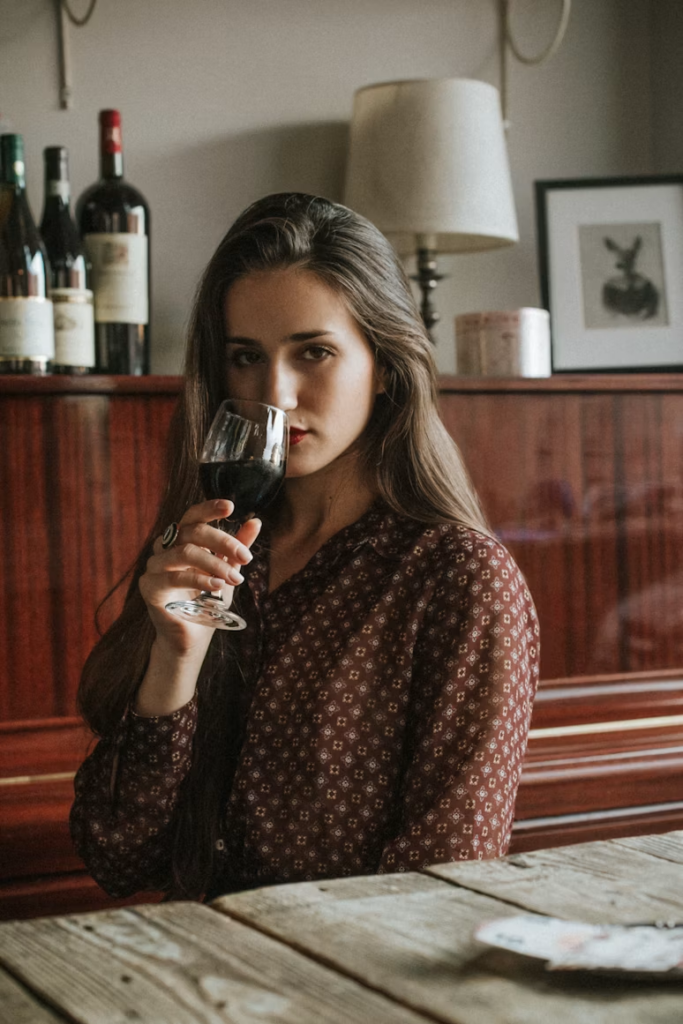
Some of my best tasting room afternoons were solo. Nobody to keep pace with, no conversation to manage, just me and a glass and however long I wanted to sit there. If solo travel makes you nervous, start with a winery close to home. Familiar roads make it easier to relax into something new.
Ask questions. All of them.
“What makes this one different from that one?” “Why does this taste sweet and that one doesn’t?” “What food would you pair with this?” Winery staff love these questions. It’s the reason they’re standing there. The only bad question is the one you don’t ask because you’re worried it sounds simple.
Don’t feel obligated to buy.
A tasting fee (if there is one) covers your visit. You’re allowed to taste, thank them, and leave without buying a bottle. If something surprises you, buy it. If nothing does, that’s fine too. You paid for the experience, not the purchase.
Take notes, even bad ones.
You will not remember which wine was your favorite by the third winery, let alone the third month. Jot down a word or two on your phone: “the one with the red label, out on the patio, tasted like cherries.” That’s enough. Future you will thank present you. Like the way I remember “Night Jar” at Cooper’s Hawk . The thing that was caught my attention was, this is a dessert wine.
Plan the whole day around slowness
The wine is only part of it. Build in time before or after for a walk, a real lunch, a slow drive with the windows down. The tasting room is the anchor. The rest of the day is where the memory actually happens.
If you’re looking for somewhere to start, Ohio’s wine country day trips are short, easy, and forgiving for a first attempt. No flight required. No expertise required either.
Want more slow travel guides like this one? Sign up for the Travel Nancy newsletter where new guides drop every week.