olga-budko-hl0W9gS0C6k-unsplash
Travel, Travel Destinations, Travel Tips,

How to Find Travel Deals in 2025’s Inflation: A Guide to the “Coolcation” Trend

Planning a getaway in 2025 feels a little different. With inflation impacting everything from groceries to gas, the thought of booking that dream vacation might feel… well, a little less dreamy. But don’t pack away your passport just yet! There’s a smart way to navigate these financial waves and still explore the world: it’s called the “Coolcation” trend, and it might just be your ticket to incredible and affordable vacation ideas.

 Understanding the “Coolcation” Trend

So, what exactly is a “Coolcation”? Think of it as a strategic shift in travel preferences. Instead of flocking to traditional hot-weather destinations during peak summer, savvy travelers in 2025 are seeking out cooler climates and off-season adventures. This might mean exploring mountainous regions, charming Northern European cities, or even the off-season.

The significance of the “Coolcation trend” in our current inflationary climate is clear. By opting for destinations and travel times that are less in demand, you can often find significantly better travel deals. Think about it: fewer crowds usually mean lower prices for flights, accommodations, and even local experiences. Plus, escaping the sweltering heat can be a refreshing bonus! Have you ever felt like you needed a vacation from the heat of your vacation? A Coolcation can solve that.

 Tips for Finding Travel Deals in 2025’s Inflation

woman sits on brown wooden beach chair

Navigating inflation travel tips can feel like a puzzle, but here are some actionable budget travel strategies to help you snag those coveted travel deals in 2025:

  • Book in the “Sweet Spot”: While last-minute deals can sometimes appear, generally booking your flights and accommodations 2-4 months in advance for domestic travel and 3-6 months for international travel often yields the best prices.
  • Open to  Flexible Dates: Are your travel dates set in stone? If you have some wiggle room, use flight and hotel comparison websites that allow you to view prices across a range of dates. Even a few days’ difference can lead to significant savings.
  • Consider the Low Seasons (Spring & Fall): This aligns perfectly with the Coolcation trend. Traveling just before or after the peak summer or winter seasons can unlock affordable vacation ideas with pleasant weather and fewer tourists. Think of exploring the European countryside in September or enjoying the crisp air of the Rockies in May.
  • Explore Lesser Known Gems: Instead of always aiming for the most popular destinations, research up-and-coming or less-touristed locations. You’ll often find lower prices and a more authentic experience. For example, consider smaller towns in Italy instead of Rome or exploring national parks in the off season.
  • Be Open to Connecting Flights and Slightly Less Central Accommodations: Sometimes, a slightly longer journey with a layover or a hotel a little outside the main tourist hub can save you a considerable amount of money. Weigh the cost savings against the inconvenience.
  • Sign Up for Email Lists and Follow Social Media: Airlines, hotels, and travel agencies often announce flash sales and special travel deals to their subscribers and followers first. Stay informed!
  • Think Outside the “All-Inclusive” Box: While convenient, all-inclusive resorts can sometimes be pricier overall. Consider booking accommodations with kitchenettes and exploring local restaurants for more budget-friendly meal options. Also, you can do more research on all-inclusive resorts you might find better deals during low seasons.

Utilizing Technology for Travel Savings

person holding black android smartphone

In the age of inflation, your smartphone and laptop are powerful allies in the quest for travel deals 2025:

  • Flight Comparison Websites: Use sites like Google Flights, Skyscanner, Kayak, and Momondo to compare prices from multiple airlines and travel agencies simultaneously. Set up price alerts to track potential drops.
  • Hotel and Accommodation Platforms: Explore Booking.com, Expedia, Hotels.com, and Airbnb. Utilize filters to search by price, review score, and amenities. Look for “genius” discounts or long-stay offers.
  • Deal Alert Apps and Websites: Apps like Hopper can predict flight and hotel price fluctuations and notify you when it’s the best time to book. Websites like Scott’s Cheap Flights (now Going) curate incredible travel deals sent directly to your inbox (often with a subscription fee, but it can be worth it for frequent travelers).
  • Cashback and Rewards Platforms: Use browser extensions or apps that offer cashback on your travel bookings. Combine this with your travel rewards credit cards for even greater savings.
  • Social Media Travel Communities: Join Facebook groups or follow Instagram accounts dedicated to budget travel strategies. Members often share tips and discover travel hacks for inflation in real-time.

 Budgeting for Inflation in 2025

Even with finding great travel deals, smart budgeting is crucial when facing inflation. Travel tips:

  • Set a Realistic Budget: Before you even start looking at destinations, determine how much you can comfortably afford to spend on your trip. Be honest with yourself about all potential costs (flights, accommodation, food, activities, transportation, souvenirs).
  • Track Your Spending: Use a budgeting app or a simple spreadsheet to monitor your expenses during your trip. This helps you stay on track and avoid overspending.
  • Be Flexible with Activities: Have a list of “must-do” activities, but also be open to free or lower-cost alternatives if your budget starts to tighten. Explore local parks, go for scenic walks, or visit free museums.
  • Factor in Hidden Costs: Don’t forget to budget for things like baggage fees, airport transfers, visa costs, and tips. These can add up quickly.
  • Consider Travel During Off-Meal Times for Cheaper Eats: Look for lunch specials or consider having your main meal at lunchtime when prices are often lower.


Travel Smart, Stay Cool, and Explore Affordably in 2025

Despite the impact of inflation, the world is still waiting to be explored. By embracing the “Coolcation” trend and implementing these smart budget travel strategies, finding incredible travel deals in 2025 is achievable. Remember to be flexible, utilize technology to your advantage, budget wisely, and most importantly, embrace the adventure!

Ready to start planning your value-first Coolcation? Subscribe to the TravelNancy.com newsletter below for more exclusive tips and affordable vacation ideas delivered straight to your inbox!


What are your best tips for finding travel deals in an inflationary environment? Share them in the comments below!

karsten-wurth-rafblRbne3o-unsplash
Lifestyle, microcation, Staycation, Travel, Vacation,

Last Minute Labor Day Microcations from Columbus, OH: Your Guide to a Quick Getaway

The long weekend is almost here. You’ve had a busy summer. Now you’re staring at the calendar, wishing you had an adventure planned. Don’t worry. A last-minute Labor Day microcation from Columbus is still possible.

A microcation is a short trip with a big impact. It’s about finding value and making memories close to home. In this guide, you’ll find three fantastic, easy-to-plan destinations from Central Ohio. Let’s get you on the road today.

Your Last-Minute Planning Toolkit

Big savings start before you pack. A little planning goes a long way, even at the last minute.

Book Smart, Not Hard

Forget random searches. Be strategic.

  • The “Off-Peak” Secret: Try to stay Sunday through Tuesday instead of Friday through Sunday.  This way you will get price drops and thin crowds. Your wallet will thank you.
  • Use a Price Tracker: Many apps and websites show you last-minute hotel deals. Set alerts. Watch the numbers. Find the best price.
  • Check for Cancellation Deals: Some people cancel at the last minute. This is a great time to find deals. Check hotel apps frequently.


Packing for a Microcation

You don’t need a huge suitcase. Pack light.

  • Go Carry-On Only: This is your best move. Avoid baggage fees. It makes travel simpler.
  • One Small Bag: Find a great backpack that fits everything you need. It’s perfect for a short trip. It leaves you hands-free to explore. Check out amazing backpacks here.


The Destinations: 3 Microcations from Columbus

Here are three great options, all within a few hours’ drive from Columbus. Each offers a different kind of adventure.


1. Hocking Hills, OH

Why It’s a Great Last-Minute Trip: It’s a short drive. The air feels different. It offers a complete escape into nature without the travel stress.

  • Travel Details: It’s just over an hour’s drive very short very  easy.
  • What to Do:
    • Hiking: Explore the trails at Old Man’s Cave or Cedar Falls. The trails are beautiful. The waterfalls are a must-see.
    • Photography: The light here is incredible. It’s a photographer’s dream. Bring your camera.
    • Relaxation: Find a quiet spot to enjoy the peace. Go stargazing the sky is dark.

Where to Stay: You can find everything from campsites to cozy cabins.  


Downtown Indianapolis

2. Indianapolis, IN

Why It’s a Great Last-Minute Trip: It’s a lively city with a friendly vibe. It offers a big city feel with art, food, architecture and culture.

  • Travel Details: It’s about a 3-hour drive west.
  • What to Do:
    • Culture: Walk or bike the Indianapolis Cultural Trail. See art. Find local shops. It’s a great way to see the city.
    • Food: This city has amazing food. Explore Fountain Square or Mass Ave for unique local restaurants.
    • Art: Visit the Indianapolis Museum of Art at Newfields. It’s beautiful inside and out.

Where to Stay: Stay downtown for walkability. Find a hotel in a cool neighborhood. 

a group of flags flying in the wind next to a road

3. Put-in-Bay, OH

Why It’s a Great Last-Minute Trip: It feels like a world away. It’s a unique, memorable island escape. It’s a true Ohio gem.

  • Travel Details: It’s a 2-hour drive to Port Clinton. From there, you take a short ferry ride to the island.
  • What to Do:
    • Explore: Rent a golf cart. It’s the best way to get around the island.
    • Sights: Visit Perry’s Victory and International Peace Memorial. Tour one of the island’s wineries.
    • Relax: Find a quiet spot to watch the boats. Enjoy a peaceful sunset over the lake.

Where to Stay: You can find charming B&Bs and lively hotels. 

a stone fountain in a park with trees in the background

Final Thoughts & Your Next Step

See? A last-minute adventure isn’t just possible; it’s waiting for you. You have the tools now. Get on the road today.

Now that you have the inspiration, it’s time to plan. I’ve created a FREE 2025 Budget Travel Checklist & Planner to help you save money on every trip you take. This guide is your secret weapon. It helps you save money on everything from hotels to food.  Check it out >>>>Planner Checklist Guide

pexels-fotograf-jylland-1557004-2995283
Architectural wineries, Architecture, Wine Travel,

The Most Instagrammable Wineries: Where Architecture and Wine Blend Perfectly

In the age of social media, the allure of wineries extends far beyond their wine offerings. Instagrammable wineries are top destinations for travelers who appreciate the perfect blend of winery architecture and scenic settings. These wineries are more than places to sip wine—they’re experiences where design and nature combine to create unforgettable backdrops. From modernist wonders to historic chateaux, here are the best wineries for photos that combine aesthetic brilliance with exquisite wine tasting.

Top 10 Instagrammable Wineries

Marqués de Riscal – Rioja, Spain

Free Unique design of Marques de Riscal Hotel in Elciego, Spain, showcasing modern architecture. Stock Photo


Marques de Riscal.jpg

  • Architecture: Designed by Frank Gehry, this avant-garde masterpiece is known for its shimmering titanium curves and bold colors.
  • Photogenic Spots: The dramatic exterior with sweeping vines in the foreground makes for striking shots.
  • Unique Offerings: A tour of the wine cellars and a stay at the adjacent luxury hotel Hotel Marqués de Riscal, to complete the experience.

Antinori nel Chianti Classico – Tuscany, Italy

brown spiral staircase near mountains

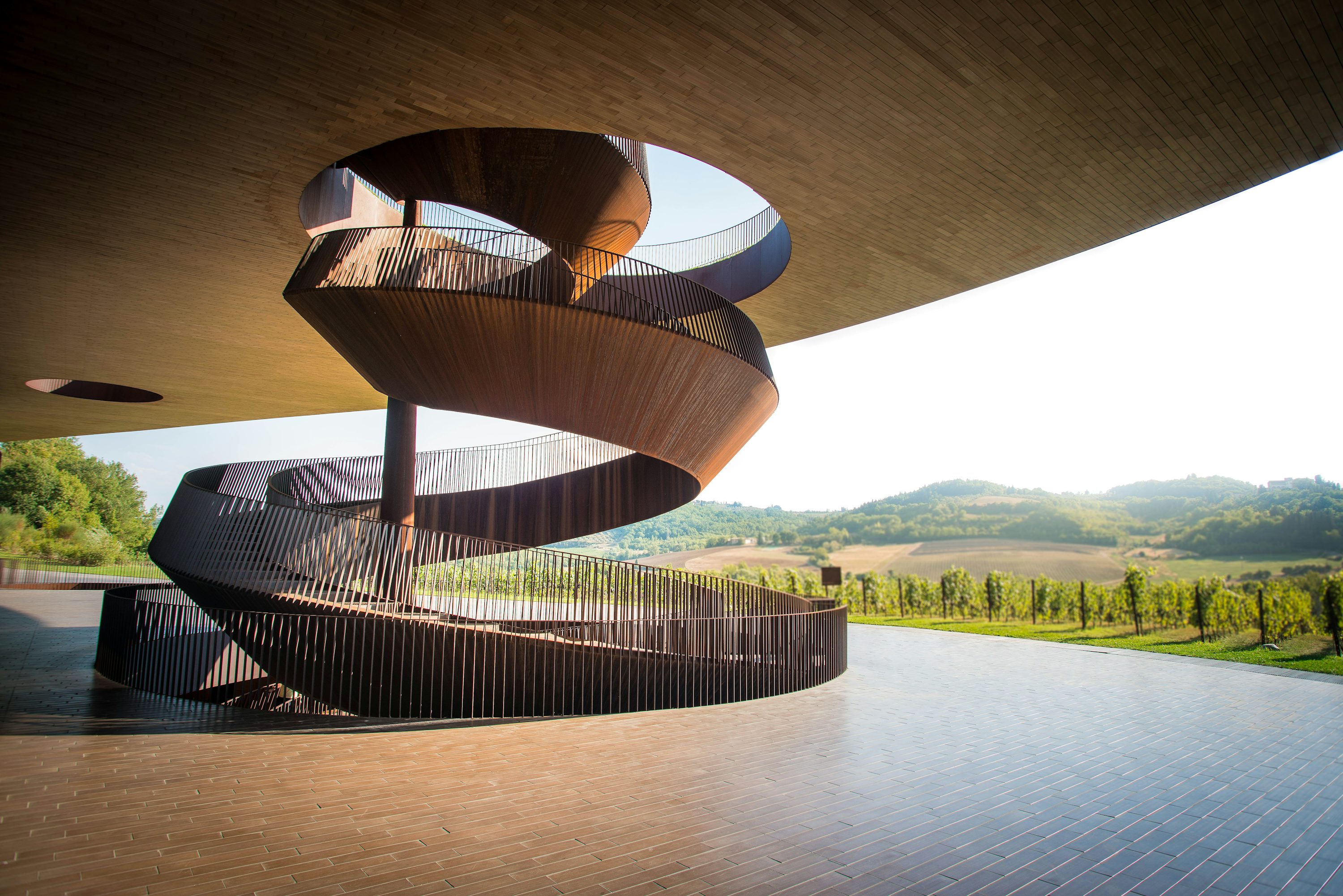
  • Architecture: A minimalist design blending seamlessly with the Tuscan hills, featuring earthy tones and green roofs.
  • Photogenic Spots: The spiral staircase and panoramic terrace are must-visit photo ops.
  • Unique Offerings: A tour highlighting the winery’s eco-friendly innovations paired with exquisite Chianti wines.

Opus One – Napa Valley, USA

Free Stunning aerial view of Opus One Winery with vineyard landscape in Oakville, California. Stock Photo

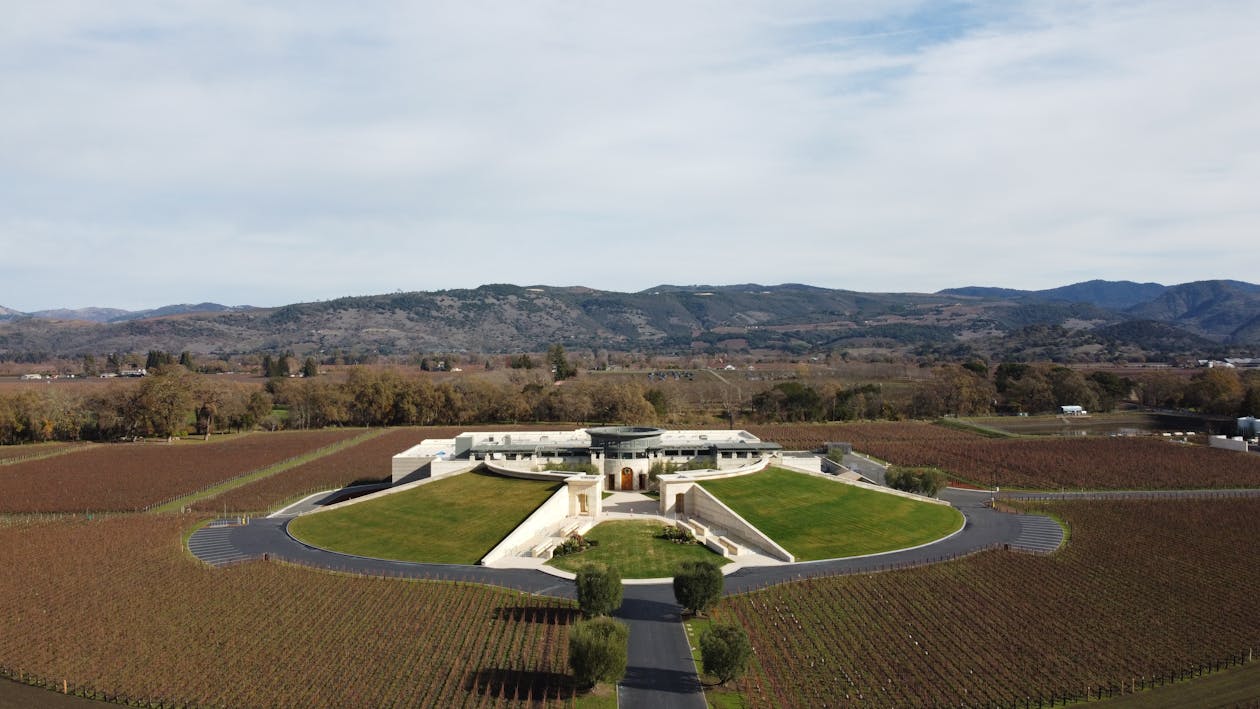
  • Architecture: A harmonious blend of modern and classical design elements, with a stately colonnade and rolling hills as a backdrop.
  • Photogenic Spots: Capture the winery’s symmetry from the entrance or the sweeping views from the rooftop terrace.
  • Unique Offerings: Exclusive tastings of their renowned Bordeaux-style blends.

 Château Pichon Baron – Bordeaux, France

Free Majestic view of a historic castle in Bordeaux, France, surrounded by lush greenery. Stock Photo

  • Architecture: A fairy-tale castle surrounded by reflective pools, embodying classic French elegance.
  • Photogenic Spots: The mirrored water in front of the château creates stunning reflections.
  • Unique Offerings: Guided tours through the historic estate with tastings of exceptional vintages.

Bodegas Ysios – Rioja, Spain

  • Architecture: Designed by Santiago Calatrava, its undulating roof mirrors the surrounding mountains.
  • Photogenic Spots: The juxtaposition of sleek design against rugged peaks is unparalleled.
  • Unique Offerings: Intimate tastings of their premium wines.

 Mission Hill Family Estate – British Columbia, Canada

Award-Winning Vision: Mission Hill Family Estate's Pioneering Approach to  Winemaking – Wine International Association WIA

  • Architecture: A combination of modern architecture with rustic elements like stone archways and a bell tower.
  • Photogenic Spots: The bell tower and the vineyard views overlooking Okanagan Lake.
  • Unique Offerings: Seasonal culinary pairings with estate wines.

Delaire Graff Estate – Stellenbosch, South Africa

View a Superior Lodge living room towards terrace and plunge pool at Delaire Graff Estate

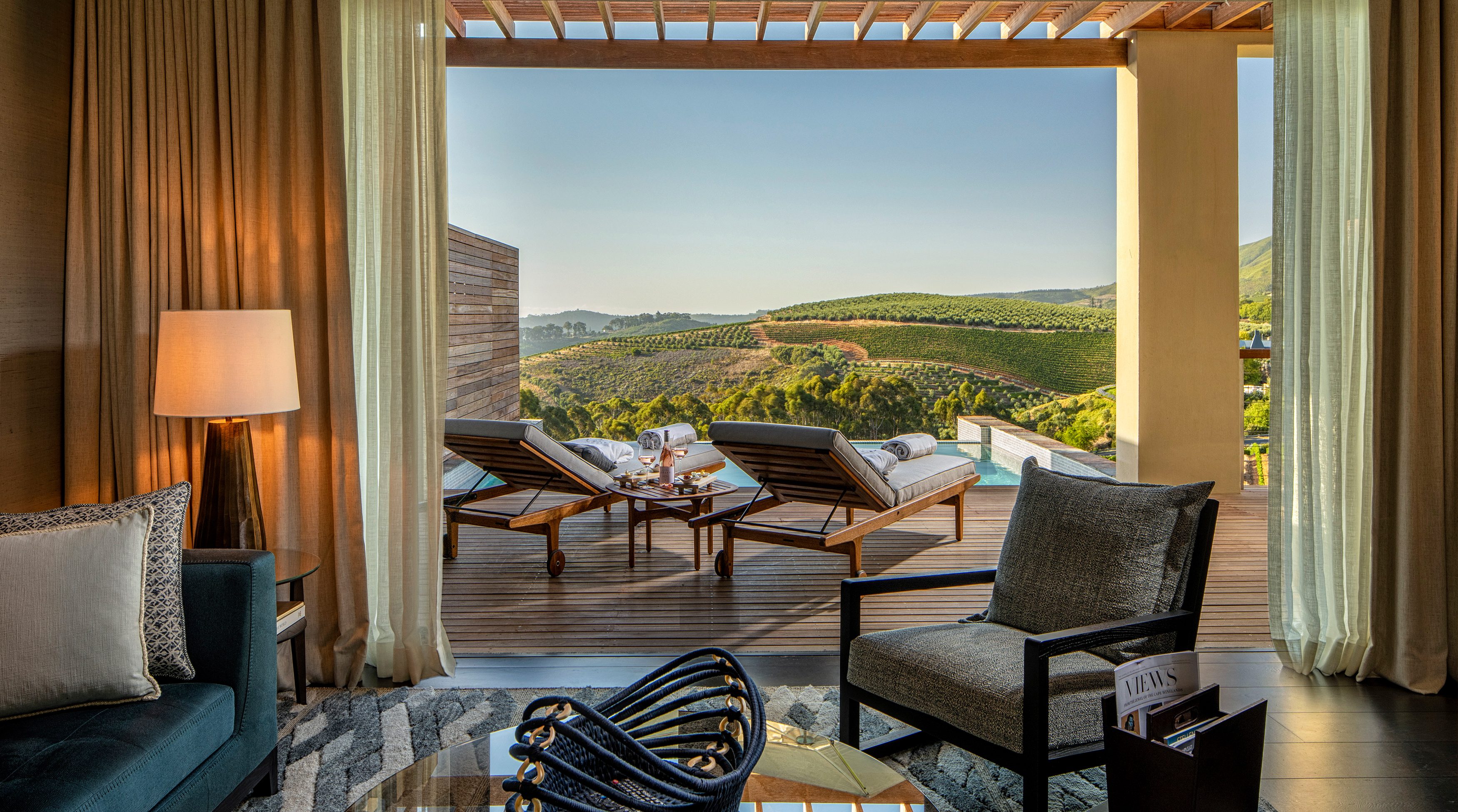
  • Architecture: A fusion of contemporary design and lush gardens, featuring African art and sculptures.
  • Photogenic Spots: Sunset shots on the terrace with mountain vistas in the background.
  • Unique Offerings: Luxurious dining and curated art tours.

Robert Mondavi Winery – Napa Valley, USA


  • Architecture: A mission-style design with iconic archways and courtyards.
  • Photogenic Spots: The grand entrance and the vineyards are bathed in golden-hour light.
  • Unique Offerings: Signature tours and tastings paired with live music events.  This place is temporarily closed.

Quinta do Crasto – Douro Valley, Portugal

Free Captivating view of vineyards in the Douro Valley, Portugal, with lush green hills and traditional architecture. Stock Photo

  • Architecture: Traditional meets modern with an infinity pool overlooking the Douro River.
  • Photogenic Spots: The infinity pool is a showstopper, offering unparalleled views of terraced vineyards.
  • Unique Offerings: Boat tours combined with tastings of their award-winning port wines.

 Chandon Australia – Yarra Valley, Australia

Domain Chandon Winery | Australia's Best Sparkling Wine | Yarra Valley

  • Architecture: A chic, contemporary winery with sprawling outdoor spaces.
  • Photogenic Spots: The terrace, with its panoramic views of the vineyards, is perfect for capturing vibrant landscapes.
  • Unique Offerings: Sparkling wine tastings and pairing experiences.

The Blend of Architecture and Wine

Wineries today are as much about the ambiance as the wine itself. Winery architecture plays a pivotal role in enhancing the wine-tasting experience by creating environments that stimulate all the senses. Whether it’s a sleek, modernist structure or a historic castle, the design sets the tone for the visit, creating memories as distinctive as the wine.

Architectural innovation also reflects the winery’s identity. For example, modern wineries like Antinori nel Chianti Classico highlight sustainability, while historic estates like Château Pichon Baron exude timeless luxury.

Photography Tips for Instagram-Worthy Shots

  1. Time of Day: Visit early morning or late afternoon for soft, golden light.
  2. Angles: Use leading lines like pathways or rows of vines to add depth to your photos.
  3. Framing: Incorporate natural elements, such as flowers or trees, to frame the winery.
  4. Editing: Enhance your photos with subtle edits that highlight architectural details and natural colors.
  5. Composition: Include people or wine glasses in the shot for scale and context.

The perfect marriage of wine and architecture creates destinations that are as visually stunning as they are flavorful. These Instagrammable wineries offer more than just great wine they’re experiences that linger in both taste and memory. Whether you’re a wine enthusiast, an architecture lover, or a photography fanatic, these wine tourism destinations promise unforgettable moments.

So pack your camera, your favorite wine glass, and an adventurous spirit, and start exploring these breathtaking wineries today!

pexels-istvanpszabo-10338434
Culinary Experiences, Culture, Lifestyle, Uncategorized, Wine Travel, Wine travel experiences,

Uncovering Hidden Culinary Gems: Exploring the World’s Most Underrated Food and Wine Destinations

Regarding food and wine travel, many people think of renowned regions like Tuscany, Bordeaux, or Napa Valley. But the world is filled with hidden culinary gems that offer exceptional flavors, rich traditions, and intimate experiences far removed from the tourist trails. Venturing into these underrated destinations is like unlocking a treasure chest of authentic dishes, handcrafted wines, and stories that remain long after the meal is over. Let’s get into three regions: the Tuscan Badlands, Hungary, and Slovenia—each a testament to the magic of going off the beaten path.

 Tuscan Badlands: Tuscany’s Rugged Culinary Secret

brown concrete building

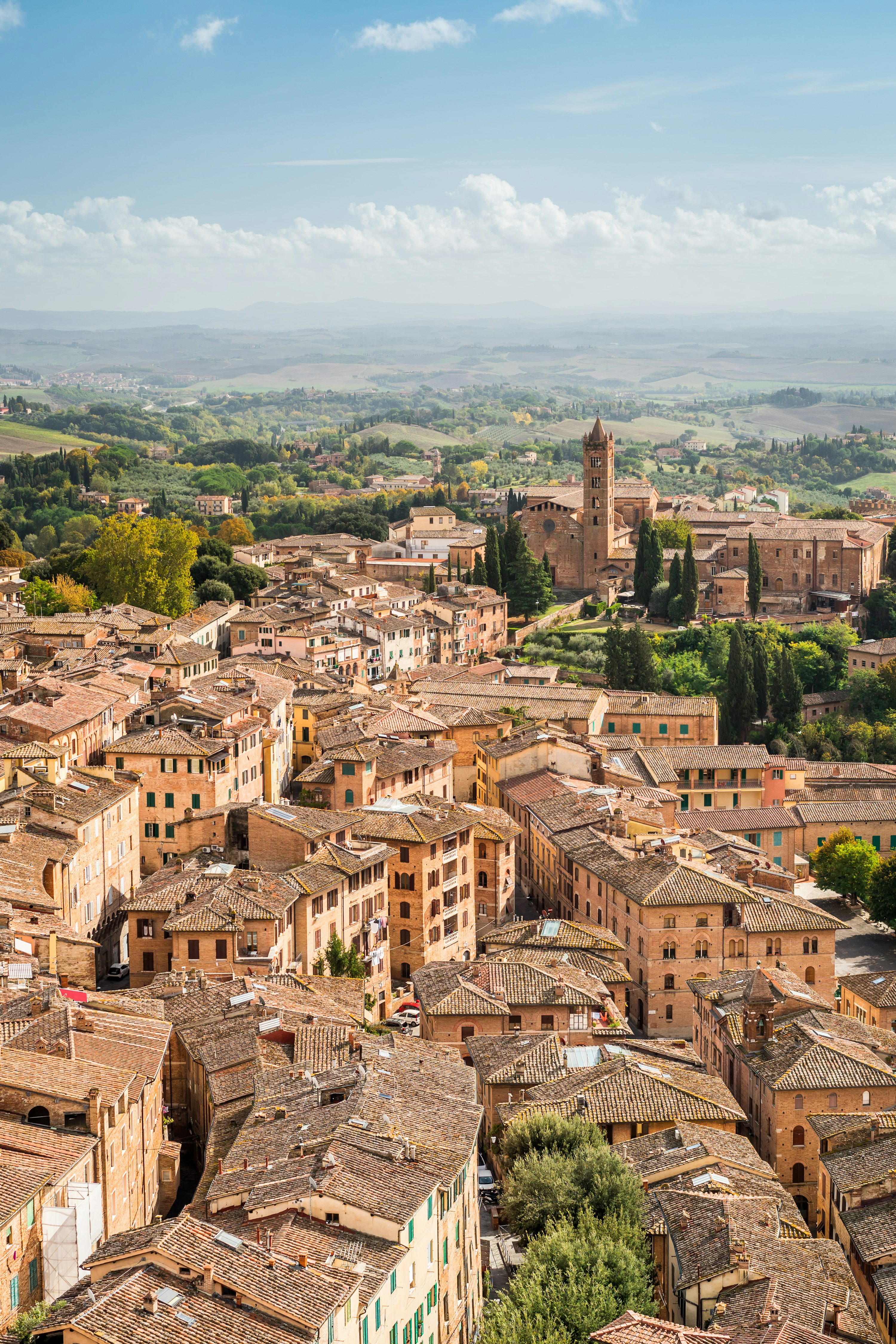
While Tuscany’s rolling vineyards and sunlit olive groves often steal the spotlight, the Tuscan Badlands (Crete Senesi) offer a distinct and equally enchanting experience. This rugged, moonlike landscape in central Italy is a haven for those seeking authentic, natural flavors.

Local Dishes and Traditions

a person cutting a loaf of bread on a cutting board

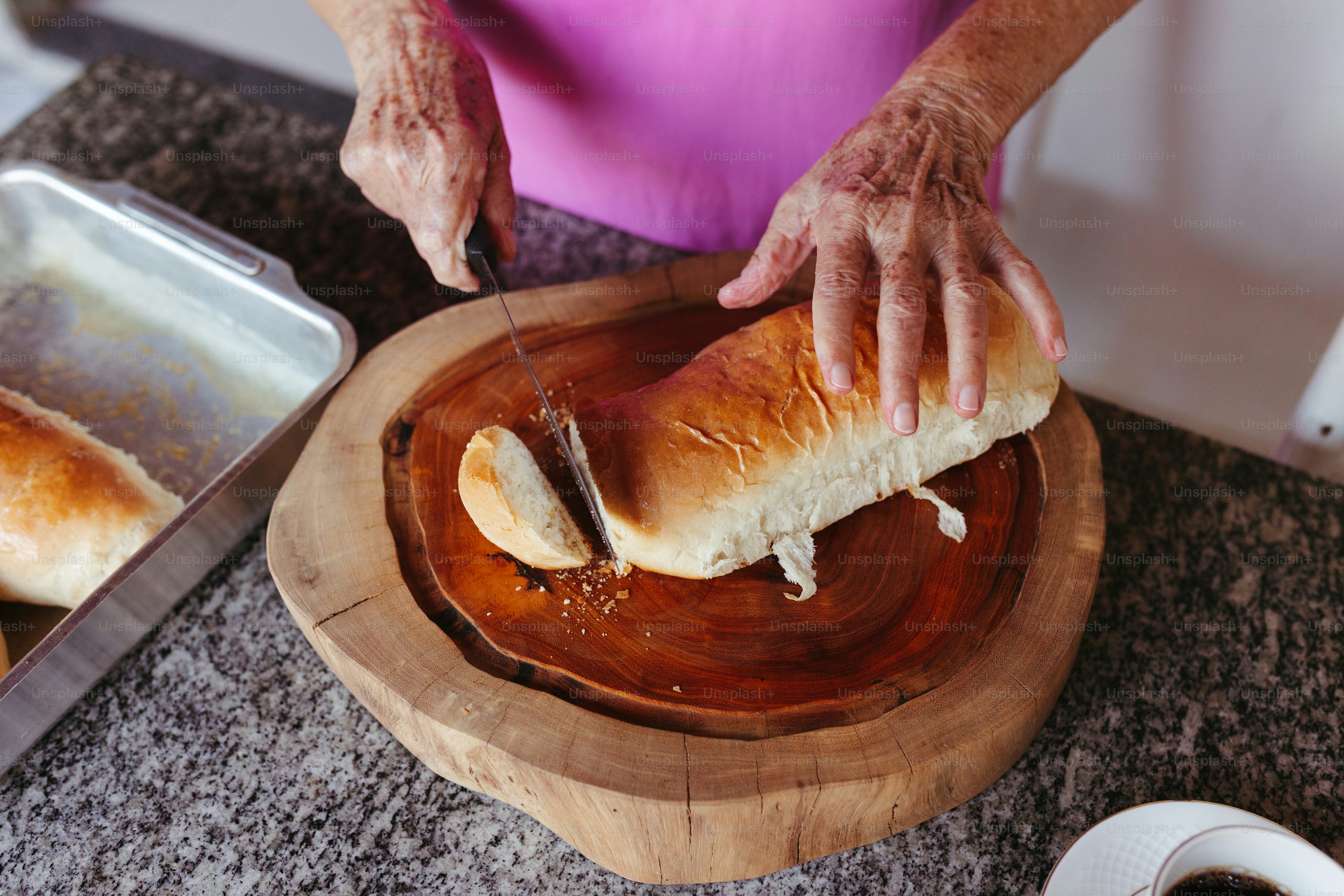
The Badlands are renowned for their earthy, slow-cooked dishes that reflect the region’s agrarian roots. Pici cacio e pepe, a hand-rolled pasta with pecorino cheese and black pepper, is a staple here, served fresh and full of flavor. Another must-try is zuppa di pane, a bread soup enriched with seasonal vegetables and drizzled with local olive oil.

Unique Wines

The Badlands are home to boutique wineries producing Vernaccia di San Gimignano, a crisp white wine with notes of almond and citrus. Pair it with regional sheep cheeses for a symphony of flavors.

Personal Touch

Local chefs, like Giovanna, a third-generation cook in the village of Asciano, infuse their food with stories of family and tradition. Giovanna’s truffle risotto, sourced from nearby forests, exemplifies the connection between land and table that defines the Tuscan Badlands.

Hungary: A Culinary and Viticultural Treasure

grilled meat on gray tray


Hungary’s culinary scene often goes unnoticed, but its hearty dishes and exceptional wines are worth celebrating. Beyond Budapest’s famed ruin bars lies a world of vibrant markets, festivals, and hidden wine regions waiting to be explored.

Rich Culinary Heritage

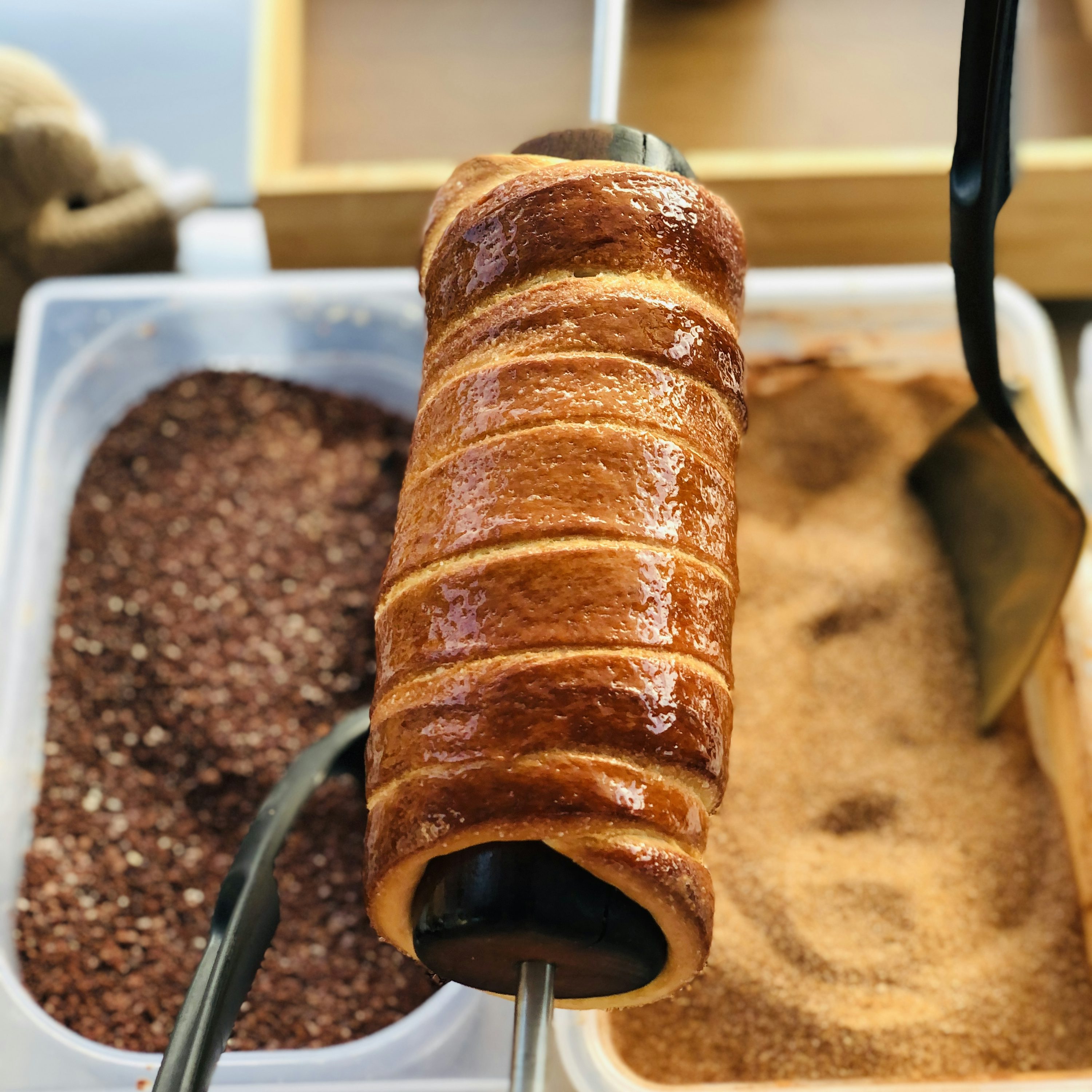
Hungary’s food is a delicious blend of influences from Turkish, Austrian, and Slavic cuisines. Indulge in halászlé, a fiery fish soup spiced with paprika, or hortobágyi palacsinta, savory crepes stuffed with veal. For dessert, don’t miss kürtőskalács (chimney cake), caramelized to perfection at local fairs.

Underrated Wine Regions

Hungary is home to Tokaj, famed for its Aszú dessert wines, often called the “Wine of Kings.” Meanwhile, Eger offers robust reds like Egri Bikavér (Bull’s Blood), perfect for pairing with the region’s hearty dishes.

Cultural Festivals and Markets

The Budapest Wine Festival, held every September, showcases Hungary’s diverse wine heritage with tastings and workshops in the historic Buda Castle. Markets like Great Market Hall offer a sensory overload of fresh produce, cured meats, and artisanal cheeses.

Slovenia: Where Culinary Traditions Meet Innovation

Free Serene mountain lake with forest reflections and a clear blue sky. Stock Photo

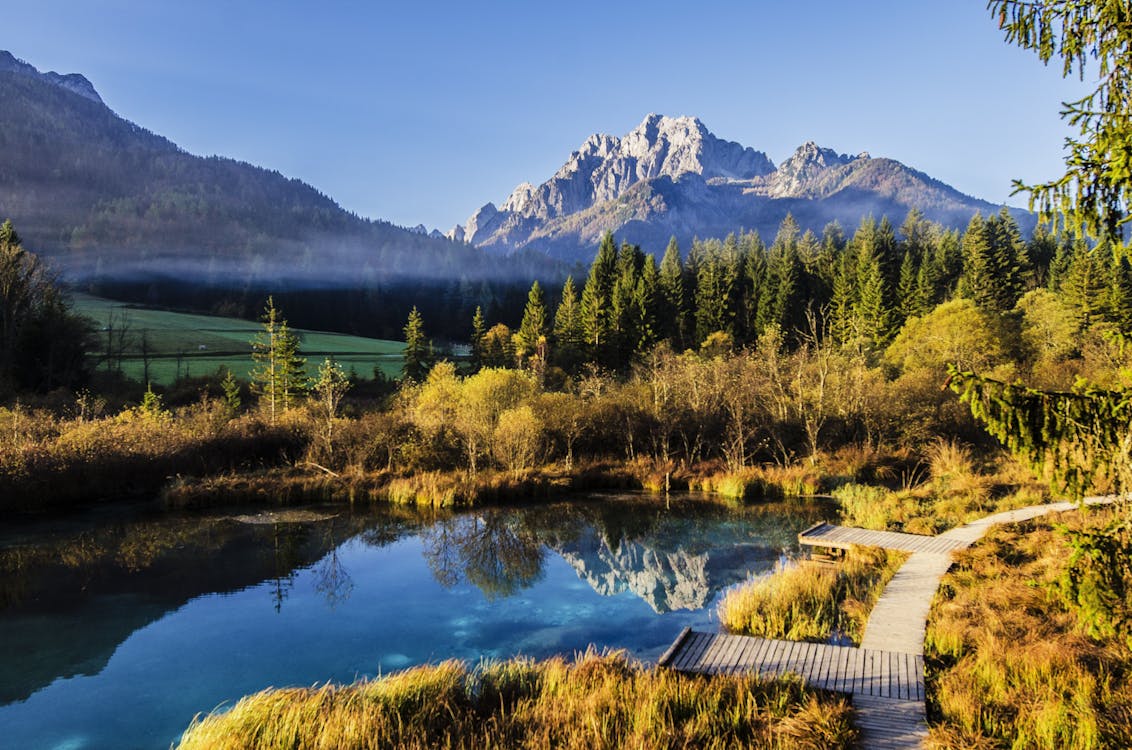
Located between Italy, Austria, and Croatia, Slovenia is a gastronomic paradise that masterfully blends its neighbors’ influences with its unique culinary identity.

Local Ingredients and Flavors

Slovenian cuisine revolves around fresh, local ingredients. From the alpine pastures of the Julian Alps to the Adriatic coast, every dish is a reflection of its terroir. Try žlikrofi, delicate dumplings/pasta  filled with potatoes and bacon, or bujta repa, a comforting turnip stew.

Wine and Dining Experiences

The Vipava Valley is a hidden gem for wine lovers, producing lesser-known varietals like Zelen and Pinela. Slovenia’s farm-to-table movement is thriving, with restaurants like Hiša Franko (run by Ana Roš, one of the world’s top chefs) offering innovative menus rooted in tradition.

Immersive Experiences

For an unforgettable experience, visit a hisa, or homestead, where you can enjoy homemade meals paired with house wines, often prepared by the family that owns the vineyard.

What Makes These Regions Special?

Compared to popular destinations like Tuscany or Bordeaux, these regions offer an intimacy and authenticity often missing from mainstream culinary tourism. The Tuscan Badlands captivate with their rustic charm, Hungary surprises with its bold flavors and diverse wines, and Slovenia enchants with its harmonious fusion of tradition and innovation.

Each destination invites travelers to slow down, connect with locals, and savor experiences that are both culturally enriching and deeply personal.

Tips for Travelers

If you’re ready to embark on a journey to these hidden culinary gems, here are some tips:

  • Best Times to Visit:
    • Tuscan Badlands: April to June, September to October for truffle season.
    • Hungary: Late summer to early autumn for festivals and wine harvests.
    • Slovenia: Spring and early summer for lush landscapes and fresh produce.
  • How to Find Local Cuisine:
    • Explore village trattorias, local markets, and family-run wineries.
    • Engage with locals for insider recommendations.
  • Wine Pairing Recommendations:
    • Tuscan Vernaccia with Pecorino cheese.
    • Hungarian Tokaj with foie gras or desserts.
    • Slovenian Zelen with seafood dishes.


The world is full of culinary treasures waiting to be discovered. By venturing into lesser-known regions like the Tuscan Badlands, Hungary, and Slovenia, you’ll uncover a wealth of flavors, stories, and experiences that rival the most famous food and wine destinations.

So pack your bags, grab a fork (and a wine glass), and set out to explore these hidden gems. Don’t forget to share your journey with us—we’d love to hear about the dishes that stole your heart!

pexels-kelly-1179532-19062080
Architectural wineries, Modern winery structures, Notable wineries, Sustainable winery architecture, Wine architecture, Wine tourism, Wine travel experiences, Winery design,

Exploring Wine Architecture: The Aesthetics and Functionality of Wineries

Wine architecture brings together the artistry of winemaking and innovative design, shaping how we experience wine. These striking spaces, created to both elevate the ambiance and serve practical production needs, have become a major draw for wine enthusiasts. With architecture as a growing part of the wine industry’s appeal, many wineries have become must-visit destinations for their unique structures as much as their wines. In this post, we’ll explore the evolution of winery architecture, its key styles, and its impact on wine tourism, helping you see how these spaces transform the wine experience.

Historical Context

The story of winery architecture has roots in ancient times when wine was often stored in cellars carved into mountainsides or built from durable stone. Early winery structures prioritized function, emphasizing cool and stable environments for aging wine. Over time, architectural movements like the Renaissance and Gothic styles inspired elaborate winery designs, reflecting the cultural importance of wine. In the 20th century, modernism brought a minimalist aesthetic that emphasized form and function, while the 21st century has ushered in an era of sustainability, where eco-conscious materials and energy-efficient designs are at the forefront. Each evolution marks the wine industry’s adaptation to both functional needs and aesthetic aspirations.

Architectural Styles

Wineries worldwide showcase a variety of architectural styles that reflect their locations and cultural backgrounds. Here are some prominent styles found in wine architecture:

Traditional Styles

  • Mediterranean: Found in southern Europe, this style includes terra-cotta roofs, arched windows, and open courtyards, blending seamlessly with the surrounding landscape. Its warmth and elegance create an inviting space.
  • Colonial: Common in the Americas and South Africa, Colonial-style wineries feature symmetrical designs, tall columns, and decorative brick or stone, emphasizing tradition and heritage.

Modern and Minimalist Designs

  • Geometric & Sleek: Minimalist wineries use clean lines, open spaces, and glass for natural lighting. This style blends contemporary aesthetics with functionality, creating a serene environment.

Eco-Friendly and Sustainable Designs

  • Green Roofs & Recycled Materials: Sustainable wineries are designed to minimize environmental impact. These structures often use green roofs, natural ventilation, and materials like recycled wood or local stone.
  • Earth-Integrated: Wineries built into hillsides use the earth’s insulation to maintain ideal temperatures while reducing energy usage.

Functionality vs. Aesthetics

Balancing aesthetic appeal and practical design is crucial in winery architecture. Each space is crafted to enhance both production and the visitor experience, from temperature-controlled cellars to spacious tasting rooms with panoramic views.

Example: Opus One Winery, Napa Valley

Free Stunning aerial view of Opus One Winery with vineyard landscape in Oakville, California. Stock Photo

Designed by Scott Johnson, Opus One blends into the landscape with terraces that provide insulation and an open-air courtyard that serves as both a functional and inviting space for visitors. It is a perfect example of how winery architecture merges beauty with purpose.

Case Studies

1. Marqués de Riscal Winery, Spain

Free Unique design of Marques de Riscal Hotel in Elciego, Spain, showcasing modern architecture. Stock Photo

  • Architect: Frank Gehry
  • Design: Gehry’s structure combines metallic ribbons with traditional forms, blending avant-garde art with Rioja’s wine heritage.
  • Landscape: The undulating ribbons mimic the vineyard’s hills, capturing the colors of red wine and reflecting the region’s cultural depth.

2. Antinori nel Chianti Classico, Italy

brown spiral staircase near mountains

  • Architect: Archea Associati
  • Design Elements: Embedded into a Tuscan hillside, the terracotta structure reflects the landscape and heritage, while its gravity-fed design ensures efficient production.
  • Significance: This eco-friendly design showcases the blend of tradition and innovation in Italian winemaking.

3. Mission Hill Winery, Canada

  • Architect: Tom Kundig
  • Design Features: The winery’s bell tower and stone structures offer breathtaking views over Okanagan Lake, drawing inspiration from monasteries and blending modernism with the natural landscape

Impact on Wine Tourism

Architectural wineries have become a cornerstone of wine tourism, drawing visitors eager to experience the unique atmosphere each design offers. Many wineries organize tasting tours, events, and educational experiences that allow guests to appreciate both the wine and the design. In regions like Napa Valley and Tuscany, wine architecture has helped build entire tourism ecosystems, creating jobs, supporting local economies, and enhancing the profile of the wine region.

Example: Bodega Garzón, Uruguay

Built with eco-friendly materials, Bodega Garzón attracts architecture and wine lovers alike, bolstering local tourism and promoting sustainability in wine production.

Future Trends in Wine Architecture

The future of wine architecture is likely to see continued emphasis on sustainability, high-tech innovation, and multipurpose spaces.

  • Sustainable Materials: Expect an increase in the use of recycled or eco-friendly materials.
  • Integrated Tech: Technology is enhancing experiences with virtual tours, automated processes, and interactive tasting experiences.
  • Multifunctional Spaces: Wineries will likely include art galleries, restaurants, and even accommodation to create an immersive, full-service experience.

The architectural beauty of a winery adds depth and richness to the wine experience, inviting guests to savor both the space and the wine. Wine architecture reflects the winemaking craft’s cultural heritage, contributes to tourism, and inspires future sustainability efforts. Whether modern and minimalist or rooted in tradition, winery architecture offers visitors a unique way to engage with wine. For wine and architecture enthusiasts, exploring these wineries is an unforgettable experience that transcends tasting and creates a lasting connection to the land and its story.

Take your journey to experience the places where wine and design converge, and witness firsthand how architecture shapes the essence of wine.

pexels-nadin-sh-78971847-15198279
Culinary Experiences, Food and Beverage, Travel Destinations, Wine Travel,

Unforgettable Wine and Food Destinations Around the World: A Culinary Journey for Every Wine Lover

Wine and food tourism has quickly become a top travel choice for culinary enthusiasts, blending the pleasures of tasting fine wines with exploring local cuisine and culture. This form of travel isn’t just about enjoying exquisite flavors; it’s about connecting with the history and traditions of a region. As wine travel continues to grow, destinations worldwide are opening their doors to travelers eager to experience gourmet culinary experiences in beautiful settings.

Top Wine and Food Destinations

 Tuscany, Italy – A Classic Wine and Culinary Destination

architectural photography of white and brown house

Chianti, Italy

  • Location: Central Italy
  • Notable Wineries and Restaurants:
    • Antinori nel Chianti Classico: A beautiful winery that seamlessly blends traditional winemaking with modern architecture.
    • Osteria di Passignano: Located in a historic abbey, this Michelin-starred restaurant offers elevated Tuscan cuisine.
  • Signature Dishes and Wines:
    • Wines: Chianti Classico, Brunello di Montalcino, and Vino Nobile di Montepulciano.
    • Dishes: Pappardelle al cinghiale (wild boar pasta), ribollita (Tuscan vegetable soup), and bistecca alla Fiorentina (Florentine steak).
  • Cultural Significance: Tuscany has a centuries-old connection to winemaking, and it’s known for its passionate preservation of Italian culinary traditions, making it a premier destination for food and wine tourism.

 Napa Valley, California, USA – Iconic Wines and World-Class Cuisine

Free Stunning aerial view of Opus One Winery with vineyard landscape in Oakville, California. Stock Photo

Opus One Winery

  • Location: Northern California, USA
  • Notable Wineries and Restaurants:
    • Opus One: Renowned for its premium Bordeaux-style wines and immersive tasting experiences.
    • The French Laundry: An acclaimed restaurant offering gourmet, seasonal dishes created by Chef Thomas Keller.
  • Signature Dishes and Wines:
    • Wines: Cabernet Sauvignon, Chardonnay, and Merlot.
    • Dishes: Farm-to-table salads, local cheeses, and dishes featuring Dungeness crab.
  • Cultural Significance: Napa Valley has set a global standard for wine travel in the United States, known for both luxury and innovation in wine and culinary offerings.

 Mendoza, Argentina – The Heart of Malbec and Argentine Flavors

Free Picturesque view of green lush countryside area with contemporary building and narrow gravel road against blue sky Stock Photo

Mendoza, Argentina

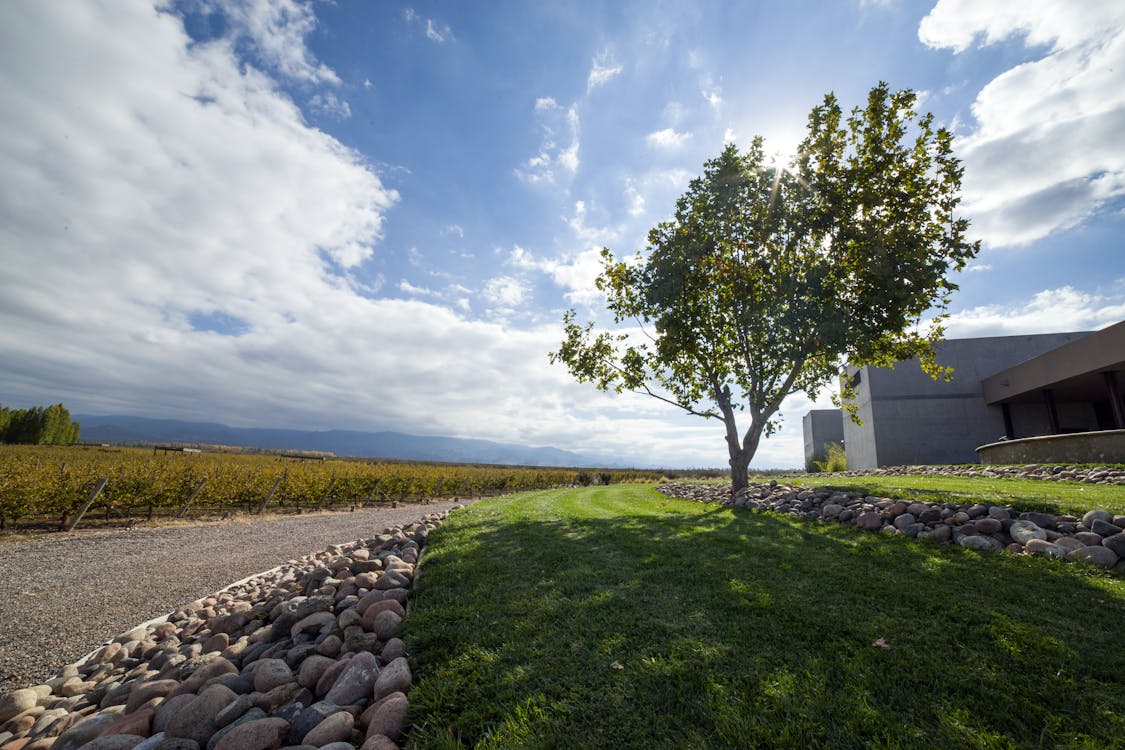
  • Location: Foothills of the Andes, Argentina
  • Notable Wineries and Restaurants:
    • Bodega Catena Zapata: A leading winery known for high-quality Malbecs and breathtaking vineyard views.
    • 1884 Restaurante Francis Mallmann: Showcasing traditional Argentine grilling techniques.
  • Signature Dishes and Wines:
    • Wines: Malbec, Torrontés, and Cabernet Sauvignon.
    • Dishes: Asado (Argentine barbecue), empanadas, and provoleta (grilled cheese).
  • Cultural Significance: Mendoza’s high-altitude vineyards produce bold wines unique to the region, making it a popular wine and culinary destination with a strong cultural connection to both wine and Argentine heritage.

Travel Tips for a Memorable Wine and Food Experience

  • Best Times to Visit:
    • Tuscany: May to June or September to October for pleasant weather and wine festivals.
    • Napa Valley: Late summer to early fall for the grape harvest season.
    • Mendoza: March to April for the harvest and the annual Fiesta Nacional de la Vendimia (Grape Harvest Festival).
  • Recommendations for Tours and Tastings:
    • Book vineyard tours that include tastings with food pairings. Many regions offer culinary classes, where you can learn to make local dishes.
  • Local Customs and Etiquette:
    • In Italy, meals are enjoyed over multiple courses, emphasizing slow enjoyment and conversation. In Argentina, the asado is often a communal gathering celebrating food, wine, and friends. Respecting the traditions in each region will enhance your experience.

Personal Experience

My trip to Tuscany stands out as a transformative wine travel experience. I visited a family-owned vineyard in Chianti, where the owner shared stories of his family’s winemaking legacy. Sitting in their rustic tasting room, we enjoyed house-made pasta paired with their wines—an experience that was both intimate and unforgettable. This encounter captured the essence of wine and food tourism: savoring a place’s heritage and flavors in one unforgettable meal.


Exploring wine and food destinations lets travelers immerse themselves in rich culinary and cultural experiences. From the sunlit vineyards of Tuscany to the Malbec cellars of Mendoza, each destination offers a unique blend of flavors, history, and passion for wine. If you’re ready to enjoy the journey that celebrates local cuisine and exquisite wines, these destinations are the perfect start. Bon appétit!

pexels-polina-kovaleva-8350139
Culture, Gateway, Travel, Travel Adventures,

Wine Tourism in Europe: A Historical Journey Through Vineyards and Culture

European wine is much more than a drink; it’s a story of tradition, resilience, and celebration that spans millennia. From ancient civilizations to modern vineyards, European wine tourism allows travelers to step back in time and experience the historical roots of winemaking that have profoundly influenced art, religion, trade, and community life. This post digs into the unique history of European wine regions and how they have developed into the renowned wine destinations we enjoy today.

 The Dawn of Winemaking: Southern Europe’s Ancient Roots

Europe’s wine journey began with the Phoenicians, Greeks, and Romans, whose agricultural advancements laid the groundwork for today’s winemaking techniques. As early as 2000 B.C., the Greeks were cultivating grapes on the island of Crete, making Greece one of Europe’s oldest wine producers. The practice spread to Italy and across the Mediterranean, where the mild climate was ideal for grape growing.

plant field under blue sky

  • Italy: Ancient Rome played a monumental role in the spread of viticulture. The Romans were the first to classify vineyards based on quality, a precursor to today’s appellation systems. They even worshipped Bacchus, the god of wine, symbolizing wine’s cultural importance. Traveling through regions like Lazio and Campania allows visitors to taste wines that echo these ancient methods, with many vineyards continuing techniques passed down through centuries.

 The Middle Ages: Monastic Influence in France and Germany

With the fall of the Roman Empire, winemaking shifted into the hands of the Church. Monks, particularly in France and Germany, meticulously cultivated vineyards, experimenting with different terroirs to produce wines that symbolized purity and sanctity. Monasteries became centers of viticulture, preserving knowledge through detailed records that informed future generations.

  • France: Burgundy and Champagne owe much of their heritage to monastic vineyards established by Cistercian and Benedictine monks. Burgundy’s famous Côte d’Or hills, for example, were sectioned off by monks to study which areas yielded the best grapes. A visit to Burgundy lets wine enthusiasts walk through these historic vineyards, some of which retain their original boundaries, providing a living history of Europe’s medieval viticulture.
  • Germany: In the Rheingau and Mosel regions, monks cultivated Riesling in terraced vineyards. They discovered how different soil compositions impacted flavor, an understanding that elevated German wines to international fame. Tasting wine here offers a window into centuries of monastic precision, where wine wasn’t just a drink but a labor of devotion.

The Renaissance and Age of Exploration: Wine as a Status Symbol

The Renaissance brought a revival of art, culture, and luxury to Europe, and wine became a symbol of status and sophistication. Nobles established vineyards and cellars in regions like Bordeaux, Tuscany, and Rioja, each competing  to produce wines that would signify their wealth and taste.

a vineyard with a church in the background

Bordeaux vineyard

  • Bordeaux, France: Bordeaux was particularly instrumental in shaping the global wine trade. During this period, Bordeaux wines became highly sought after by English royalty and nobility, leading to extensive vineyards funded by wealthy landowners. Modern wine tours in Bordeaux take travelers through cellars that have aged wine for centuries, connecting them to a time when Bordeaux was the epicenter of European wine commerce.
  • Spain’s La Rioja: Similarly, Spain’s La Rioja gained prominence during this era, with vineyards that produced bold reds fit for European nobility. Spanish wine production was deeply influenced by the trade routes established during the Age of Exploration, which brought new aging techniques. Visiting Rioja today includes tastings in bodegas that use both historic and modern techniques, showing the evolution of Spanish wine from Renaissance palaces to contemporary wineries.

The Industrial Revolution: Science and Expansion

The Industrial Revolution had a profound impact on winemaking in the 19th century, as advances in chemistry and technology allowed for greater precision and quality control. Winemakers began experimenting with fermentation techniques, blending, and even labeling practices to meet increasing global demand. European countries started forming their own appellation systems, defining the boundaries and standards for wine production that remain today.

Free  Follow me on Insta for more - https://www.instagram.com/mikita.yo  My Lightroom Presets - https://www.proedit.shop/ Stock Photo

  • Champagne, France: One of the most iconic regions influenced by industrial advancements was Champagne. The introduction of bottling technology allowed for the perfecting of sparkling wines, which were widely celebrated in royal courts. A visit to the Champagne region reveals cellars that stretch for miles underground, with each bottle representing the marriage of tradition and scientific innovation.
  • Piedmont, Italy: Meanwhile, Italian vintners in Piedmont began refining methods for Barolo, producing a wine known as the “King of Wines.” Modern visitors to Piedmont can witness how early industrial methods allowed Italy to begin exporting these wines, establishing Italy’s global reputation.

The Post-War Revival: European Wine Tourism’s Birth

After the devastation of World War II, European countries rebuilt their wine industries with a renewed emphasis on quality and heritage. Wine tourism as we know it began to take shape in the 1970s, as regions sought to promote their local cultures and products. Winemakers opened their doors to tourists, offering tastings, vineyard tours, and firsthand experiences of the winemaking process.

  • Portugal’s Douro Valley: The Douro Valley’s terraced vineyards, known for producing Port, became a UNESCO World Heritage site, helping to preserve its unique winemaking heritage. Wine tourists here enjoy scenic boat rides along the Douro River, experiencing the timeless beauty of one of Europe’s oldest wine-producing regions.
  • Santorini, Greece: With its volcanic soils and traditional basket-weaving vine training, Santorini became a hub for wine enthusiasts in search of something different. Tours here often include ancient cellar visits where traditional techniques have been passed down through families, offering a look at how old-world methods meet the demands of modern tourism.

 The Modern Era: Sustainability and Innovation in European Wine

Today, European vineyards are leaders in sustainable viticulture, implementing organic practices, biodynamic farming, and eco-friendly tourism. This commitment reflects a desire not only to produce high-quality wine but to preserve the land for future generations.

  • Austria and Germany: Austria and Germany have led the way in biodynamic practices, with many vineyards prioritizing soil health and ecological balance. Visits to Austrian wine regions like Wachau often include educational tours that highlight these practices, providing insight into the future of sustainable winemaking.
  • Spain and Portugal: Spain’s Ribera del Duero and Portugal’s Alentejo are known for vineyards that integrate modern architecture with sustainable practices. Many of these wineries offer “green” tours that focus on eco-conscious production, showing how Europe’s wine regions are adapting to climate change while preserving their rich heritage.

 A Glass of History and Heritage

Wine tourism in Europe is more than just a journey through vineyards; it’s a journey through time. Each glass of wine holds a story of resilience, artistry, and tradition that spans centuries. From the ancient Greeks to modern sustainability, Europe’s wine regions offer a rich experiences, inviting travelers to immerse themselves in history while enjoying the future of winemaking.

Ready to explore the historic vineyards of Europe? Follow us for more guides on the best wine experiences Europe has to offer, and start planning your journey today.

pexels-rachel-carter-656239972-17709835
Gateway, Lifestyle, Travel, Travel Adventures, Vacation,

10 Top Wine Destinations in the USA for an Unforgettable Wine Tasting Vacation

If you dream of a wine-focused vacation combining scenic beauty, unique wine varieties, and rich regional history, the USA offers an impressive range of wine destinations. Each region presents something different: exclusive winery tours and scenic vineyards to boutique tasting rooms. Here are the top 10 wine destinations in the USA that are a must-visit for any wine enthusiast.

Napa Valley Wine Tasting Tours – California’s Premier Destination

Free Welcome Billboard in Napa Valley in California in USA Stock Photo

When it comes to luxurious wine tasting in California, Napa Valley is unparalleled. Famous for its bold Cabernet Sauvignon, Napa Valley’s wine scene combines world-class wines, Michelin-star dining, and some of the most luxurious accommodations in wine country.

  • Top Wineries for Wine Tours in Napa Valley:
    • Robert Mondavi Winery: Known for its educational tours, it’s a staple of Napa Valley’s wine culture.
    • Castello di Amorosa: An Italian-inspired castle with a unique blend of Napa wines and history.
  • Insider Tip: Take the Napa Valley Wine Train for an immersive experience with tastings, dining, and stunning views.

Sonoma County – The Best Wine Tasting Destination for Variety

Sonoma, CA

Sonoma County is often considered Napa Valley’s relaxed sibling. Offering a range of wine styles from Pinot Noir to Zinfandel, Sonoma County’s wine country includes family-run wineries and eco-conscious vineyards with laid-back tasting experiences.

  • Must-Visit Sonoma Wineries:
    • Benziger Family Winery: Known for its biodynamic approach and vineyard tram tours.
    • Jordan Vineyard & Winery: Offers French-inspired wines on lush, manicured grounds.
  • Pro Tip: Plan your visit around the Sonoma County Harvest Fair in October for a festive wine experience.

Willamette Valley – The Best Place to Find Oregon Pinot Noir

a large field of green plants under a blue sky

Oregon’s Willamette Valley Winery

Oregon’s Willamette Valley has earned international recognition for its Pinot Noir. With a cooler climate that allows the grapes to develop complex flavors, this scenic wine country is ideal for those seeking a rustic, intimate tasting experience.

  • Top Wineries to Visit:
    • Domaine Serene: High-end tastings focused on Oregon Pinot Noir.
    • Sokol Blosser Winery: Organic, with a focus on sustainability and natural practices.
  • Travel Tip: Cycle along the Willamette Valley Scenic Bikeway for a unique way to explore the wineries.

Finger Lakes Wine Trails – The Perfect Destination for New York Riesling Lovers

Free A Glass of Wine with White Wine Stock Photo

Finger Lakes in New York has a thriving wine culture, particularly renowned for its Riesling, which thrives in the region’s cool climate. A visit to the Finger Lakes wine trails will reveal a variety of small, family-owned wineries set against the scenic backdrop of lakes and hills.

  • Top Finger Lakes Wineries:
    • Dr. Konstantin Frank Winery: Credited with pioneering vinifera grape-growing in the USA.
    • Hermann J. Wiemer Vineyard: Famous for award-winning Rieslings.
  • Travel Tip: The Keuka Lake Wine Trail offers a guided experience of the area’s best wineries.

Texas Hill Country Wine Trail – Discover Bold Reds and Unique Varieties

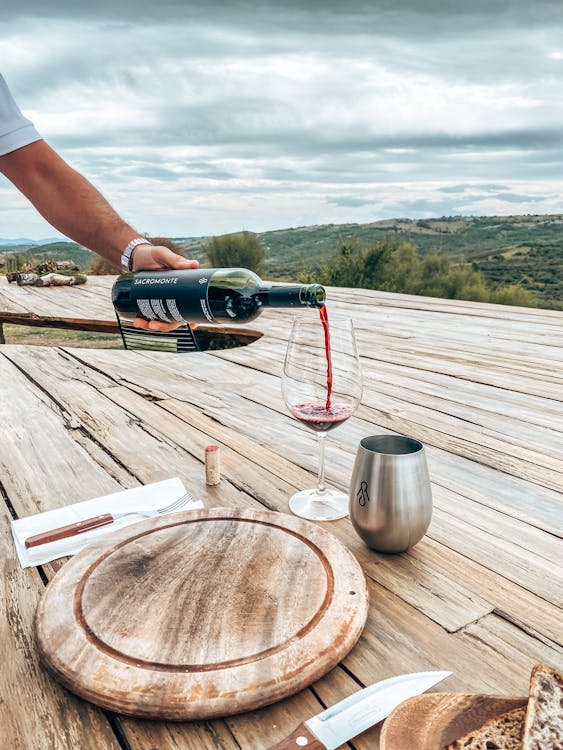
Free A Person Pouring Wine into a Glass Stock Photo

The Texas Hill Country has recently gained fame as a premier wine destination, especially known for robust reds like Tempranillo and Mourvèdre. The dry climate and innovative local winemakers produce wines with distinctive flavors and strong character.

  • Must-Visit Wineries:
    • Grape Creek Vineyards: A Tuscan-inspired winery with a unique Texan flair.
    • Pedernales Cellars: Known for its Tempranillo and scenic hilltop views.
  • Pro Tip: Join one of the Texas Wine Trail events for themed wine weekends throughout the year.

Santa Barbara Wine Country – The Perfect Destination for Pinot Noir and Chardonnay

green leafed plants during daytime

Santa Barbara wine country, nestled between the ocean and mountains, boasts a cool coastal climate ideal for Pinot Noir and Chardonnay. The picturesque region has a mix of boutique wineries and larger vineyards, making it a prime location for relaxed wine-tasting experiences.

  • Top Wineries in Santa Barbara:
    • Melville Winery: Known for cool-climate Pinot Noir.
    • Foxen Vineyard: Offers small-batch wines in a cozy tasting room setting.
  • Pro Tip: Extend your stay to explore Santa Barbara’s beaches and nearby restaurants.

Virginia Wine Trails – Historic Wine Country Tours

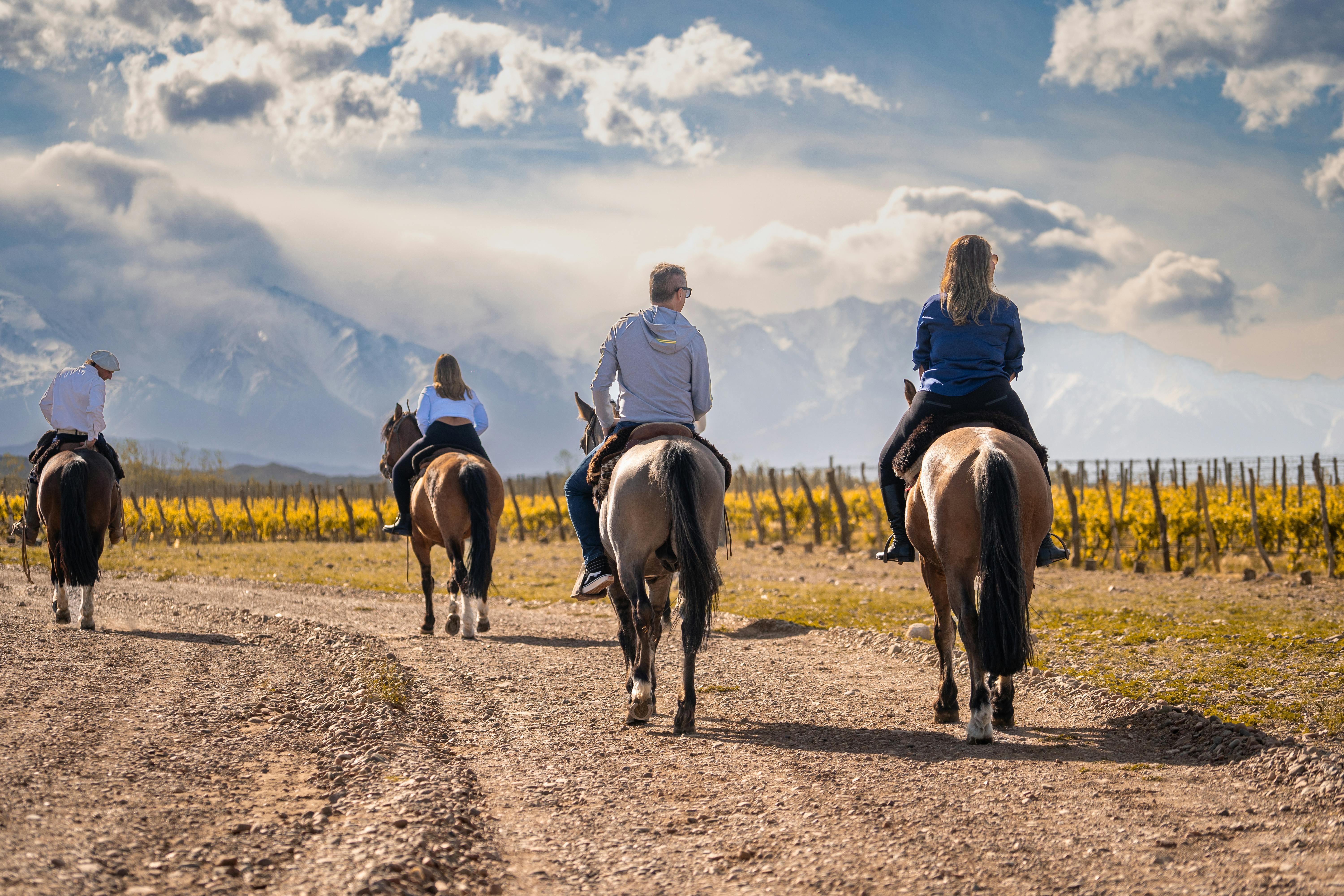
Free People Riding Horseback around a Vineyard Stock Photo

Vineyards Horse Tours

Virginia wine country has historical significance, as it was among the earliest areas in the US to attempt wine production. The region’s Bordeaux-style blends and signature Viognier varietals make it an attractive East Coast wine destination.

  • Must-Visit Wineries:
    • Barboursville Vineyards: Historic vineyards offering Cabernet Franc.
    • Chrysalis Vineyards: Known for its unique Norton grape wines.
    • Veritas Vineyard & Winery Ride:  Provides guided horseback rides tours to wineries and vineyards
  • Travel Tip: Visit Monticello, Thomas Jefferson’s historic estate, for a deeper connection to American wine history.

Walla Walla Valley – Best Destination for Bold Red Wine Varieties

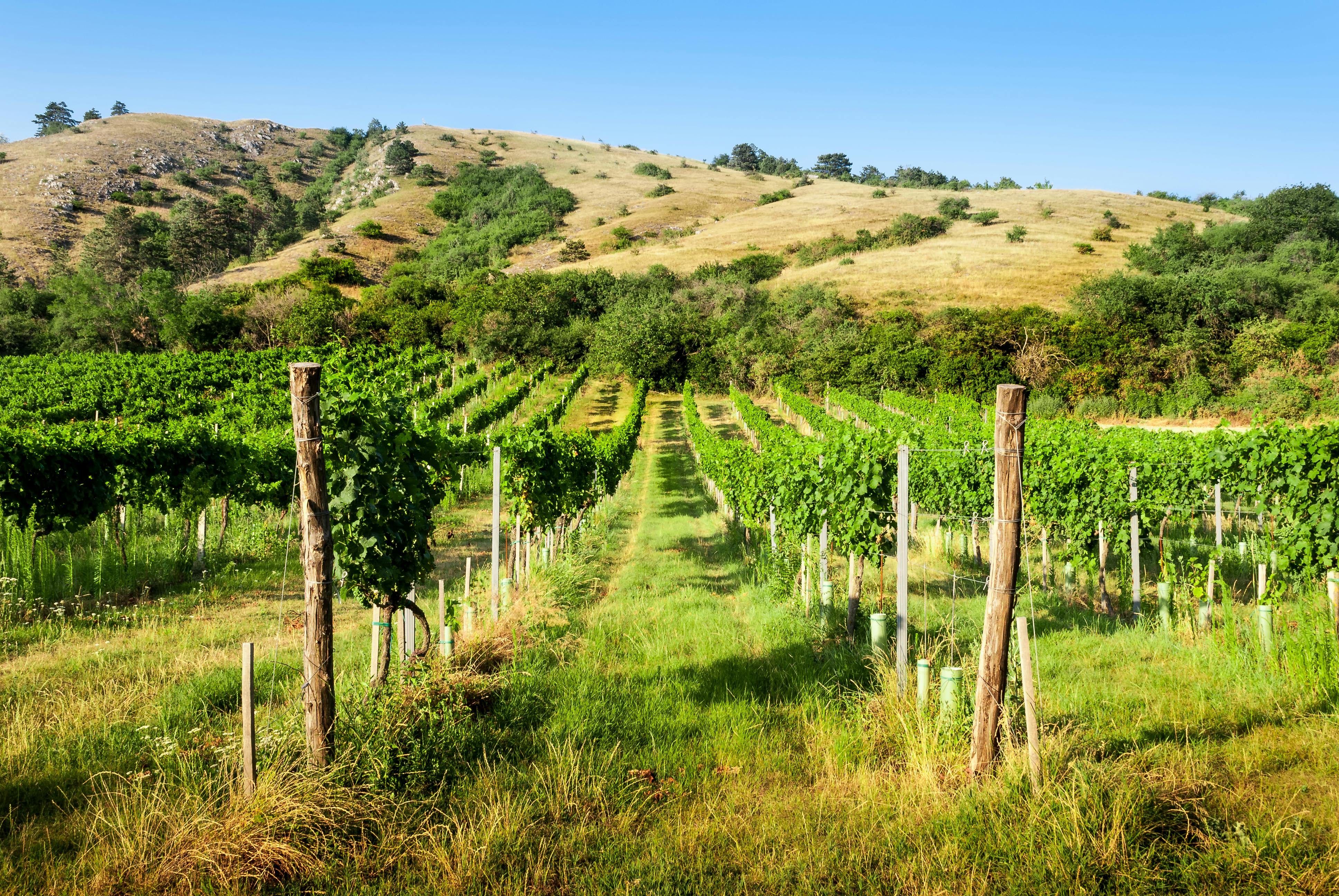
Free A Vineyard in the Valley Stock Photo

With its dry climate and unique terroir, Walla Walla Valley in Washington is perfect for lovers of bold red wines like Syrah and Cabernet Sauvignon. This region is home to numerous small, family-owned wineries focused on quality and innovation.

  • Recommended Wineries:
    • L’Ecole No. 41: Located in a historic schoolhouse specializing in rich reds.
    • Gramercy Cellars: Known for producing European-style Syrahs and reds.
  • Pro Tip: Plan your visit for the spring release weekend to try new vintages directly from the source.

Paso Robles Wine Country – The Best Wine Destination for Rhône Varietals

clear martini glass on brown surface

Paso Robles offers a unique mix of traditional and experimental wines, making it a destination for wine lovers interested in Rhône blends, Zinfandel, and bold California reds. With over 200 wineries, this area is both diverse and welcoming.

  • Top Wineries to Visit:
    • Tablas Creek Vineyard: Renowned for Rhône varietals and biodynamic practices.
    • JUSTIN Vineyards & Winery: Famous for Bordeaux-style blends.
  • Insider Tip: Try an ATV vineyard tour to experience the rugged landscape.

Lake Chelan Wine Region – A Charming Wine Destination for Crisp Whites

person holding clear wine glass


Lake Chelan combines scenic lake views with boutique wineries. Known for producing aromatic whites like Riesling and Gewürztraminer, Lake Chelan is perfect for a laid-back summer wine-tasting experience.

  • Top Lake Chelan Wineries:
    • Cairdeas Winery: A small, family-run winery known for Rhône-inspired wines.
    • Tsillan Cellars: Italian-inspired, with beautiful lake views.
  • Pro Tip: Book a lakeside stay to maximize your relaxing wine-country experience.

Each wine region in the USA offers a unique wine experience, from Napa Valley’s luxury vineyards to Texas Hill Country’s bold reds. As you explore these destinations, you’ll uncover not only delicious wines but also the stories, scenery, and rich cultural history that make each region unforgettable.