Lisbon’s culinary scene is an energetic, flavorful one with centuries of maritime history and global influence. Unfortunately, most visitors only experience the loud, overpriced restaurants near the main squares. To truly taste the city’s soul, you need to step away from the polished tourist facade and venture into the authentic Lisbon cuisine hidden in its winding alleys.
The best way to do this? A small-group, local food tour in Lisbon led by a guide who lives and breathes the culture. These experts do more than feed you; they introduce you to the avós (grandmothers) and family owners who keep Lisbon’s traditions alive.
Here are 7 unique Lisbon food experiences that focus on neighborhoods, markets, and hidden gem food spots you won’t find in any guidebook.
The Roots & Fado Walk (Mouraria District)
This tour is a deep dive into the Mouraria neighborhood, Lisbon’s oldest district and the birthplace of Fado music. It’s an area often overlooked by visitors, but is the true heart of Lisbon’s working-class culture and authentic Lisbon cuisine.
What Makes It Unique: It blends music history and gastronomy. Instead of just eating, you hear the stories of the Fado singers and local shop owners in a neighborhood known for its diverse immigrant community.
Neighborhood Dives Featured: You’ll visit multi-generational tascas (traditional taverns) and sample Portuguese classics like Bifana (pork sandwich) at small counters, often ending at a local spot where Fado is performed not for tourists, but for friends.
Move away from the central tourist chaos and head to Campo de Ourique. This residential neighborhood gives you a genuine glimpse into daily Lisbon life, centered around its beautifully restored local market.
What Makes It Unique: This is a true market experience. You get to interact with fishmongers and produce vendors before sampling specialties prepared right there. It feels like a Saturday afternoon with locals.
Local Markets Featured: The Campo de Ourique Market is the star. Unlike the Time Out Market, this is where locals shop. You’ll sample Portuguese cheese, artisan bread, regional wines, and often, the area’s famous chocolate cake.
The Arroios Immersion: Global Lisbon Food Experience
Lisbon is a melting pot, and the Arroios neighborhood is where the city’s new global flavors meet old Portuguese traditions. This tour is perfect for the adventurous foodie.
What Makes It Unique: It focuses on the culinary impact of Portugal’s former colonies, Angola, Mozambique, and Goa. This offers a unique look at how authentic Lisbon cuisine has evolved.
Neighborhood Dives Featured: Small, tucked-away restaurants serving Goan vindaloo next to classic Portuguese bacalhau (codfish). You’ll explore tiny, family-run places near the Arroios Square.
The Alfama district, Lisbon’s oldest, is charming but famously tourist-heavy. This tour specializes in navigating its maze-like streets to find the hidden gem food spots that require a local handshake to access.
What Makes It Unique: The focus is on petiscos, small Portuguese snacks, similar to tapas, that are paired exclusively with regional wines and ginjinha (cherry liqueur). The tour emphasizes small, high-quality, family-owned wine bars and tascas.
Neighborhood Dives Featured: Secret wine cellars, tiny ginjinha shops where you drink standing up, and small, unnamed tascas tucked down alleys, far from the main road of Rua de São Pedro.
While most tourists just queue at the famous bakery in Belém, this Lisbon food tour provides the context and the other important tastes of the neighborhood.
What Makes It Unique: It’s a specialized focus on pastries and desserts, paired with the historic maritime food staples that fueled the Age of Discoveries. It’s a culinary history lesson.
Local Markets Featured: Stops include the famous Pastéis de Belém (of course!), but also smaller, less-known regional bakeries and historic waterfront eateries that specialize in items like salt cod (bacalhau) and seafood.
Designed for travelers arriving for a short city break, this intensive tour gets you immediately oriented with the best of Lisbon’s food experiences in the central districts, but carefully avoids the souvenir-shop eateries.
What Makes It Unique: It’s fast-paced, highly concentrated, and focused entirely on the best possible petiscos and Portuguese wine tastings in the most central, but least touristy corners of the Baixa and Chiado.
Neighborhood Dives Featured: Classic Cervejarias (beer halls/seafood restaurants) where locals eat, and specialized shops famous for queijo (cheese) and presunto (cured ham) away from Rua Augusta.
Lisbon’s proximity to the Atlantic means fresh seafood is a religion. This tour often requires a short, local train ride outside the city center to a coastal neighborhood for the freshest seafood experience possible.
What Makes It Unique: The focus is entirely on seafood, from petiscos like ameijoas à bulhão pato (clams) to whole grilled fish, paired with crisp Vinho Verde. It gives a sense of the authentic fishing villages near Lisbon.
Local Markets Featured: Often visits the Mercado 31 de Janeiro or a market in a nearby coastal town, emphasizing the freshness and tradition of Portuguese fishing culture.
Choosing a local food tour in Lisbon is more than just booking a meal; it’s an investment in authentic experiences and a commitment to supporting the family-run businesses that define the city’s character. These small-group tours unlock doors to kitchens and traditions that would remain closed to the average visitor.
They give you the authentic Lisbon cuisine you crave, the real flavors, the real stories, and the real soul of the city.
Which neighborhood will you explore first? Tell us your favorite Portuguese dish in the comments below, and follow TravelNancy for more unique travel insights!
Gifting the Journey: Why Practical Presents are the Best Souvenirs
The most memorable travel moments are those free from frustration. Nobody remembers the generic postcard, but every traveler treasures the device or accessory that saved them from a lost bag, a dead phone, or an overweight fee. The trend in travel gifting is shifting away from novelty and toward high-utility, problem-solving gear that truly enhances the travel experience.
To help you shop like a pro, we’ve gone beyond basic lists to find the top travel gifts on Amazon, the highly searched items that frequent flyers and digital nomads are actively adding to their carts. These choices are proven to make any trip smarter, lighter, and more comfortable.
The Top 10 Most Searched Travel Gifts on Amazon
Luggage Trackers (e.g., Apple AirTag or Tile Mate)
Details:
Description: Small, coin-sized tracking devices that use a vast global network to pinpoint the location of lost luggage, keys, or bags in real-time.
Unique Benefit: The AirTag utilizes Apple’s global “Find My” network, making it effective even in remote locations where Bluetooth alone might fail.
Why It’s Popular:
The Ultimate Peace of Mind: With baggage handling issues still common, the ability to track a checked bag gives the traveler control and reduces airport anxiety significantly
Gift Suggestion: The perfect, practical stocking stuffer for anyone who checks a bag or carries expensive gear. Shop Apple AirTags (or alternatives) on Amazon
Compression Packing Cubes Set
Details:
Description: Zippered fabric organizers that classify clothing and use an additional outer zipper to squeeze air and volume out.
Unique Benefit: Separates clean clothes from dirty laundry, keeping luggage organized and smelling fresh throughout the entire trip.
Why It’s Popular:
Maximum Space Efficiency: Compression cubes allow travelers to fit significantly more into a carry-on, streamlining the packing process and eliminating the need for expensive checked luggage.
Gift Suggestion: A complete set is ideal for helping a new traveler embrace the carry-on-only lifestyle. Shop Compression Packing Cubes onAmazon
Unique Benefit: Look for models that can charge a phone multiple times and offer high-speed Power Delivery (PD) to quickly revive devices.
Why It’s Popular:
The Lifeline for Modern Travel: GPS, boarding passes, and communication rely on a phone battery. A reliable power bank is a crucial travel gadget for women and men on long layovers, hikes, or remote trips.
Gift Suggestion: Pair it with a durable, 6-foot braided charging cable for maximum convenience in airport lounges. Shop High-Capacity Power Banks on Amazon
Universal All-in-One Travel Adapter
Detail:
Description: A compact unit with retractable pins for various global outlets (EU, UK, US, AUS) and integrated USB-A/USB-C charging ports.
Unique Benefit: Modern designs often include overload protection and multiple simultaneous charging ports, turning one hotel outlet into a charging hub.
Why It’s Popular:
The One-Stop Power Solution: Eliminates the need to carry multiple plug converters. This is an indispensable accessory for anyone undertaking international travel.
Gift Suggestion: Essential for the world traveler who is constantly hopping between continents. Shop Universal Travel Adapters on Amazon
Digital Handheld Luggage Scale
Detail:
Description: A lightweight, handheld scale with a strap and a clear digital display used to weigh bags before heading to the airport.
Unique Benefit: It weighs next to nothing, making it easy to pack and use for the return trip when a bag is heavier with souvenirs.
Why It’s Popular:
Saves Money and Stress: This small, practical present prevents expensive and embarrassing overweight bag fees at the check-in counter, especially on budget airlines.
Gift Suggestion: A perfect travel essential under $25 that every frequent flyer will appreciate. Shop Digital Luggage Scales on Amazon
Wireless Noise-Canceling Headphones
Detail:
Description: High-quality over-ear or compact earbuds with Active Noise Cancellation (ANC) technology
Unique Benefit: Often rated for exceptional battery life, making them reliable for long-haul flights or multi-day train journeys.
Why It’s Popular:
Creates Instant Quiet: ANC dramatically reduces the noise of airplane engines, crowded terminals, and busy hostels. It turns travel time into genuinely relaxing or productive time.
Gift Suggestion: A high-end gift for a business traveler or anyone focused on long-haul flight comfort. Shop Noise-Canceling Headphones onAmazon
Trtl or Ergonomic Travel Pillow
Detail:
Description: A structured neck support system (like the Trtl) or a memory foam pillow that provides better cranial support than the traditional U-shape.
Unique Benefit: Many are designed to wrap or compress into a very small pouch, eliminating the bulkiness of standard pillows.
Why It’s Popular:
Better Sleep, Better Trip: A great travel pillow is the difference between arriving refreshed and arriving with a stiff neck. It’s a dedicated comfort item for hours spent sitting.
Gift Suggestion: Bundle it with a comfortable weighted eye mask for the ultimate sleep kit. Shop Ergonomic Travel Pillows on Amazon
Collapsible Reusable Water Bottle
Detail:
Description: A durable, lightweight bottle made from silicone or thin metal that collapses or rolls up when empty.
Unique Benefit: Collapsible options are ideal for backpackers or those prioritizing minimalist packing, as they disappear when not in use.
Why It’s Popular:
Sustainable and Space-Saving: Travelers can easily take it empty through airport security and fill it up on the other side. Reduces reliance on single-use plastics and saves money
Gift Suggestion: Perfect for the eco-friendly traveler or those exploring hiking destinations. Shop Collapsible Water Bottles on Amazon
Hanging Toiletry Bag
Detail:
Description: A multi-compartment bag that unfolds and includes a sturdy hook for hanging in small, shared, or messy hotel/hostel bathrooms.
Unique Benefit: Many feature waterproof or leak-proof linings and clear 3-1-1 compliant pockets for easy passage through TSA security.
Why It’s Popular;
Supreme Organization: Keeps toiletries off wet countertops and organizes liquids, makeup, and essentials into dedicated, easy-access pockets.
Gift Suggestion: A thoughtful gift for any traveler who cherishes travel organization solutions. Shop Hanging Toiletry Bags on Amazon.
AirFly Wireless Transmitter
Detail:
Description: A small device that plugs into the 3.5mm headphone jack of an airplane seatback screen and transmits the audio via Bluetooth.
Unique Benefit: Allows the traveler to enjoy movies and music with their preferred, noise-canceling headphones, enhancing the experience of older aircraft entertainment systems.
Why It’s Popular:
Freedom for Wireless Headphone Users: It solves the common frustration of being unable to use expensive wireless earbuds or headphones with in-flight entertainment systems.
Gift Suggestion: The perfect companion gift for anyone who already owns high-end wireless headphones. Shop AirFly Transmitters on Amazon
Gifting Utility, Gifting Freedom.
The items topping the “most searched travel gifts” list on Amazon all share one common thread: they are designed to give the traveler control, comfort, and space. By choosing from these practical travel presents, you are giving more than just a product; you are empowering the journey and eliminating logistical stress
Ready to select a gift that will be used on every trip?
Click through the links above to find the best current deals on these top-rated travel gifts on Amazon! Don’t let your loved one leave on their next adventure unprepared.
Share Your Best Travel Gift Idea!
We want to hear from you! What is the single most useful travel gift you have ever received or purchased that truly changed the way you travel? Share your favorite must-have item in the comments below!
The siren call of Italy is undeniable. But for seasoned travelers, the constant tide of tourists flowing through Florence and the never-ending lines at the Vatican begin to wear thin. Italy is not just a museum of antiquities; it is a living, breathing nation of 20 regions, each holding secrets the guidebooks skip entirely.
This is your passport to the real Italia. We are trading the crowds of the Piazza San Marco for quiet conversations in a village piazza, the tourist traps for authentic, slow-cooked regional flavor. These seven Underrated Italian destinations are where the magic truly happens, where you stop consuming Italy and start living it.
Matera, Basilicata: The City of Stone
Matera is unlike any other place on earth. Located in the remote southern region of Basilicata, this ancient city is carved directly into the limestone cliffs of a deep canyon. The Sassi di Matera, ancient cave dwellings, represent one of the oldest continuously inhabited settlements in the world.
Key Attractions: Spend days wandering the labyrinthine Sassi district (a UNESCO World Heritage Site), visit the subterranean rock-hewn churches (chiese rupestri), and explore the Casa Grotta di Vico Solitario, a preserved cave home offering a sobering look at historical life.
Cultural Insight: Matera was once described as the “shame of Italy” due to its poverty. Now, its transformation into a cultural capital is a triumph of preservation. It was named the European Capital of Culture in 2019, but its unique geography still shields it from the mass tourism found in the North.
Travel Tips: The nearest major airport is Bari (BRI). From there, take the local railway (FAL) to Matera. The best time to visit is the low season (April–May and September–October) to avoid the intense summer heat reflecting off the pale stone.
Expert Insight: Matera is often described as a “living museum, with its winding streets, narrow alleys, and centuries-old buildings, creating a sense that time has stood still.”
Procida, Campania: The Pastel Secret of Naples Bay
While Capri and Ischia hog the spotlight in the Bay of Naples, Procida remains the quiet, authentic fishermen’s island. It is a stunning, tiny landmass characterized by its signature pastel colored houses stacked dramatically around the harbor, Marina Grande, and Corricella.
Key Attractions: Explore Marina Corricella, the stunning harbor often featured in films, and walk up to Terra Murata, the highest point, for views of the walled medieval citadel and the Abbey of San Michele Arcangelo. Beaches like Chiaia and Pozzo Vecchio (the setting of Il Postino) are tranquil.
Cultural Insight: Procida was named Italy’s Capital of Culture in 2022, a title that celebrates its simplicity and seafaring heritage. Unlike its neighbors, Procida relies on fishing and local life, keeping the prices and the atmosphere authentically Italian.
Travel Tips: Take a fast ferry (hydrofoil) from Naples (Beverello port). The island is small enough to explore entirely on foot or by electric bicycle. Tip: Arrive early and watch the local fishermen mend their nets for a genuine experience.
Local Quote: Procida’s beauty lies in its simplicity; colorful houses line the narrow streets, and the smell of the sea is never far away. Procida is the most underrated island in Italy.“
Trieste, Friuli Venezia Giulia: Italy’s Cosmopolitan Corner
Located away in the northeastern corner near Slovenia, Trieste feels like a Central European city that decided to vacation on the Adriatic Sea. Its unique blend of Italian, Slavic, and Austro-Hungarian influences gives it an elegant, intellectual atmosphere distinct from typical Italian destinations.
Key Attractions: Stroll through Piazza Unità d’Italia, one of Europe’s largest squares opening directly onto the sea. Visit the dramatic Miramare Castle, built for Archduke Ferdinand Maximilian. Then, duck into one of the city’s grand, historic coffee houses, such as Caffè San Marco, which rival Vienna’s best.
Cultural Insight: Trieste was the former maritime gateway of the vast Austro-Hungarian Empire. This history explains the grand Viennese architecture and the city’s strong literary past, having been home to writers like James Joyce and Italo Svevo.
Travel Tips: Trieste has an airport (TRS) and excellent rail connections to Venice (two hours away). It is a hub for slow travel, exploring the surrounding Carso plateau and its vineyards.
Food Tip: The regional cuisine, Cucina Triestina, features flavors from the Balkans and Austria, including jota (bean and sauerkraut soup) and goulash.
Bergamo, Lombardy: The Walled Hilltop Paradise
Just a short, easy train ride from Milan, Bergamo is inexplicably overlooked by travelers rushing to Lake Como or the Alps. It is split into two distinct parts: the modern Città Bassa (Lower Town) and the enchanting Città Alta (Upper Town), encircled by majestic Venetian walls (a UNESCO site).
Key Attractions: Take the funicular up to the Città Alta. Walk the entire circuit of the Venetian Walls, visit the beautiful Piazza Vecchia, and climb the Civic Tower (Campanone) for views across the plain and the Alps.
Historical Context: Bergamo’s medieval upper city has been stunningly preserved. The Venetian Walls were built in the 16th century to defend the city and now offer a peaceful 6-kilometer pedestrian loop. The city’s history is steeped in centuries of Venetian rule.
Travel Tips: Bergamo is served by Milan’s Orio al Serio Airport (BGY). Take the bus directly from the airport or the train from Milan to the Città Bassa, then the funicular up. Recommended: Spend a full day and stay until dusk; the atmosphere as the old city lights up is magical.
According to travelers, Bergamo’s Città Alta is a hilltop historic paradise, encircled in fog and Venetian walls. The old city is like a step back in time.”
Ascoli Piceno, Marche: Travertine Elegance
Tucked in the heart of the Marche region, Ascoli Piceno is a breathtaking, small city that blends medieval history with Renaissance elegance. It is famous for its elegant architecture constructed almost entirely from pale, polished travertine marble, which glows pink at sunset.
Key Attractions: The centerpiece is the Piazza del Popolo, one of Italy’s most beautiful squares, often described as an outdoor drawing room. Wander the narrow streets (vicoli), visit the Romanesque churches, and see the ancient Ponte di Cecco bridge.
Cultural Insight: Ascoli feels immensely “lived in.” It’s a true hidden gem for history and architecture lovers that maintains a vibrant local life. Its relative isolation in the central Marche region has protected it from becoming a mass tourist stop.
Culinary Must-Try: The town is famous for its unique culinary delight: Olive all’ascolana, pitted, seasoned olives stuffed with meat and deep-fried. Find them at a local friggitoria.
Travel Tips: Ascoli Piceno is best reached by car or train from Ancona or Pescara. Its inland location makes it ideal for combining with a trip to the nearby Sibilline Mountains National Park.
Modena, Emilia-Romagna: The Engine of Flavor
While Bologna and Parma dominate the gastronomic map of Emilia-Romagna, Modena stands quietly between them, the undisputed capital of the region’s twin crowns: high-speed luxury and ancient, dark flavor.
Key Attractions:
Food: Visit the Mercato Albinelli for a sensory feast. Tour an acetaia (vinegar producer) to see how true Traditional Balsamic Vinegar of Modena is aged.
Cars: The city is the birthplace of Ferrari and Maserati. The Enzo Ferrari Museum is a pilgrimage for automotive enthusiasts.
Expert Quote: “Modena can hold her own in the kitchen,” despite being sandwiched between two famous gastronomic centres. The city is a masterpiece of concentrated, high-quality production.
Travel Tips: Modena is centrally located on Italy’s efficient train line, making it easy to access from Bologna, Florence, or Milan. Must do: Book a slow, multi-course meal at an authentic trattoria to truly savor the difference between commercial and authentic balsamic vinegar.
Camogli, Liguria: The Quiet Rival to Cinque Terre
Along the colorful Ligurian coast, everyone flocks to the Cinque Terre, but just north, a quieter, more genuinely charming fishing village waits. Camogli (meaning “House of Wives”) is characterized by tall, brightly painted houses that seem to tumble into the sea, protecting the small harbor.
Key Attractions: Relax on the pebble beach, visit the Basilica di Santa Maria Assunta, built directly on a sea rock, and take a boat trip to the stunning, isolated Abbey of San Fruttuoso, accessible only by sea or a difficult hike.
Cultural Insight: Camogli was historically a major maritime power. Its houses were painted in bright, specific colors and geometric patterns so fishermen could spot their homes from far out at sea. The local pace is slow; the main activity is the daily passeggiata along the waterfront.
Travel Tips: Camogli is easily reached by train from Genoa. Pro Tip: Time your visit for the annual Festa della Sagra del Pesce (Festival of Fish) in May, where a giant 4-meter frying pan is used to cook tons of fresh fish for the public.
The Art of Slow Travel
The greatest joy in Italy is often found in the spontaneous discovery of the conversation with a local nonna, the regional dish you’ve never heard of, the quiet piazza where you sip an aperitivo and watch life unfold. This is the art of slow travel, prioritizing depth over breadth, which is perfectly suited to these underrated destinations.
As travel writer E.M. Forster once wrote: “Love and understand the Italians, for the people are more marvelous than the land”. By venturing Beyond Rome, you open yourself up to the most marvelous experiences Italy has to offer.
Have you discovered an Italian hidden gem we missed? Share your favorite underrated Italy destinations in the comments below! We love hearing your secrets.
To receive more authentic, off-the-beaten-path travel guides and tips delivered straight to your inbox, subscribe to our newsletter today. Follow us on Instagram for daily doses
In a travel world dominated by budget airlines and rush-hour sprints, we often forget the journey itself is the best part of the adventure. We’re all guilty of trying to check off a bucket list instead of truly experiencing a place.
That’s where slow travel comes in. It’s not about how many stamps you get in your passport; it’s about the quality of your interactions and the depth of your experiences. It’s about being present.
The train, with its rhythmic clicks and rolling views, is the ultimate vehicle for this philosophy. It’s an opportunity to watch the landscape transition from city hustle to pastoral calm, to meet locals, and to feel the continent unfolding around you.
But why limit yourself to the famous routes, like the overbooked Swiss trains? To truly embrace the slow travel enthusiast spirit, you need to head off the main lines.
Here are 6 underrated European train routes that trade the tourist hordes for authentic immersion, offering a pace that lets you breathe and absorb the best of Europe.
The Sarajevo-Mostar Railway (Bosnia and Herzegovina)
The Route: Sarajevo to Mostar
This journey connects Bosnia and Herzegovina’s capital with its most picturesque city, following the winding path of the Neretva River. Although it takes less than three hours, it’s a profound journey through the country’s heartland and history.
Unique Features: The train passes through stunning, almost cinematic canyon landscapes where the river flashes in impossible shades of turquoise and emerald. The route is an engineering marvel, crossing deep gorges and passing through numerous tunnels.
Perfect for Slow Travel Because: It offers a quiet, meditative experience, forcing you to look out the window simply. It’s a powerful visual metaphor for the region’s complexity, bridging the metropolitan feel of Sarajevo with the Ottoman-era charm and cultural layers of Mostar. It’s an ideal way to visit one of the most culturally rich and historically significant cities in the Balkans.
The Douro Valley Line (Linha do Douro), Portugal
The Route: Porto to Pocinho
Starting in the vibrant city of Porto, the Douro Line (or Linha do Douro) follows the river’s path deep into the heart of the world’s first demarcated wine region. The final, most scenic segment runs from Peso da Régua to Pocinho.
Unique Features: This railway is famous for its proximity to the water, offering non-stop views of the ancient, terraced vineyards that climb the valley walls—a UNESCO World Heritage site. The train travels through 26 tunnels and across 30 bridges.
Perfect for Slow Travel Because: It forces you to slow down and savor. Instead of just rushing to Pocinho, slow travel enthusiasts should break the journey, stopping for a night or two in a quinta (wine estate) in towns like Pinhão to sample the world-famous Port wine and experience the local pace of life. This is a region to be tasted, not just seen.
The Bohinj Railway (Nova Gorica to Jesenice, Slovenia)
The Route: Nova Gorica to Jesenice
Often overshadowed by Slovenia’s more famous Lake Bled, this 89-kilometer route is one of the continent’s best-kept secrets. It runs through the breathtaking Julian Alps and the Triglav National Park.
Unique Features: Built during the Austro-Hungarian Empire, the line’s engineering is incredible. Highlights include the towering Solkan Bridge, a wonderful Insta moment stone arch, and a brief detour past the western shore of the lesser-known, pristine Lake Bohinj.
Perfect for Slow Travel Because: The stops along the way are tiny, authentic mountain villages, offering unmatched access to Alpine hiking and outdoor activities. It allows you to travel slowly between the Soča River Valley and Lake Bled, encouraging deep exploration of the Slovenian countryside away from tourist crowds.
The Heart of Wales Line (Wales, UK)
The Route: Swansea to Shrewsbury
While the West Highland Line in Scotland gets all the attention, the Heart of Wales Line is the UK’s hidden gem for European rail adventures. This 180-mile, single-track line meanders inland, connecting cities with tiny rural villages.
Unique Features: The line often feels more like a private charter than a national service, passing through the beautiful, rolling Welsh Marches and the remote Sugar Loaf mountain region. The train serves request stops, allowing you to alight at remote platforms near walking trails.
Perfect for Slow Travel Because: The service is infrequent (often only a few times a day), dictating a truly slow pace. The journey itself is an invitation to explore the underrated European train routes of the British Isles. It demands that you pack a picnic, bring a book, and embrace the pastoral quiet of the Welsh countryside.
The Belgrade-Bar Railway (Serbia to Montenegro)
The Route: Belgrade (Serbia) to Bar (Montenegro)
This is the longest and perhaps most dramatic route on this list, often called one of the most epic European rail itineraries. It is a 12-hour, 476-kilometer spectacular that connects the Serbian capital to the Montenegrin coast.
Unique Features: The line crosses 435 bridges and tunnels, including the Mala Rijeka Viaduct, one of the highest railway bridges in the world. The last few hours descend dramatically through the Dinaric Alps, offering views of the vast Skadar Lake before arriving at the Adriatic Sea.
Perfect for Slow Travel Because: It’s an overnight or full-day journey that offers a rich, historical, and geographical narrative. It’s less about the destination and more about witnessing the majestic, rugged landscape of the Balkans change hour by hour, a true testament to the immersive benefits of slow train travel in Europe.
The Little Yellow Train (Le Petit Train Jaune), France
The Route: Villefranche-Vernet-les-Bains to Latour-de-Carol
Affectionately nicknamed ‘The Canary,’ this narrow-gauge mountain railway in the French Pyrenees is pure nostalgia. It’s a regional service, not a tourist express, which keeps the crowds low and the authenticity high.
Unique Features: The train climbs over 1,000 vertical meters through the stunning Cerdagne plateau, running right next to the Spanish border. For the bravest slow travel enthusiasts, sections of the train have open-air carriages, allowing you to feel the mountain breeze and take unhindered photos.
Perfect for Slow Travel Because: The train is part of the local public transport network, making stops in remote spa towns and tiny villages that are impossible to reach by conventional means. It encourages multi-day exploration of the Pyrenees regional natural park and its unique Catalan culture.
Plan Your Adventure
Choosing any of these underrated European train routes means choosing depth over breadth. You’re trading a stressful airport experience for the quiet joy of watching mountains, vineyards, or canyons drift past your window. This is the essence of why slow travel is the most rewarding way to see the continent.
To ensure your journey is seamless, use resources dedicated to independent European rail travel. They provide invaluable information on tickets, schedules, and local connections.
Seat 61: The Man in Seat 61: A comprehensive, independent guide to international train travel.
Eurail: Official source for rail passes across Europe (especially useful for multi-country trips).
Portugal Tourism: Official guide for planning stops in the Douro Valley region.
Stop Rushing. Start Traveling Deeper.
These routes are just the beginning of your slower, richer journey. Are you ready to see Europe through a different window?
If your passport is stamped with the classic routes of Bordeaux, Tuscany, and Napa, you know the magic of wine travel. But what if I told you the world’s most compelling wine stories are often found on the edges of the map, far from the tourist crowds and the high prices?
It’s time to trade the familiar cellar door for something ancient, authentic, and utterly thrilling. We’re going east!
Eastern European wine regions are experiencing a phenomenal revival. After decades of state-controlled production, passionate winemakers are resurrecting indigenous grapes and techniques dating back millennia. These hidden wine regions offer a rare blend of history, unique flavors, and incredible value, making them the ultimate wine travel destinations for the adventurous palate.
Ready to discover your next favorite bottle? Grab a glass, and let’s explore 10 hidden wine regions in Eastern Europe you need to visit now.
Your Passport to the Undiscovered: 10 Hidden Wine Regions
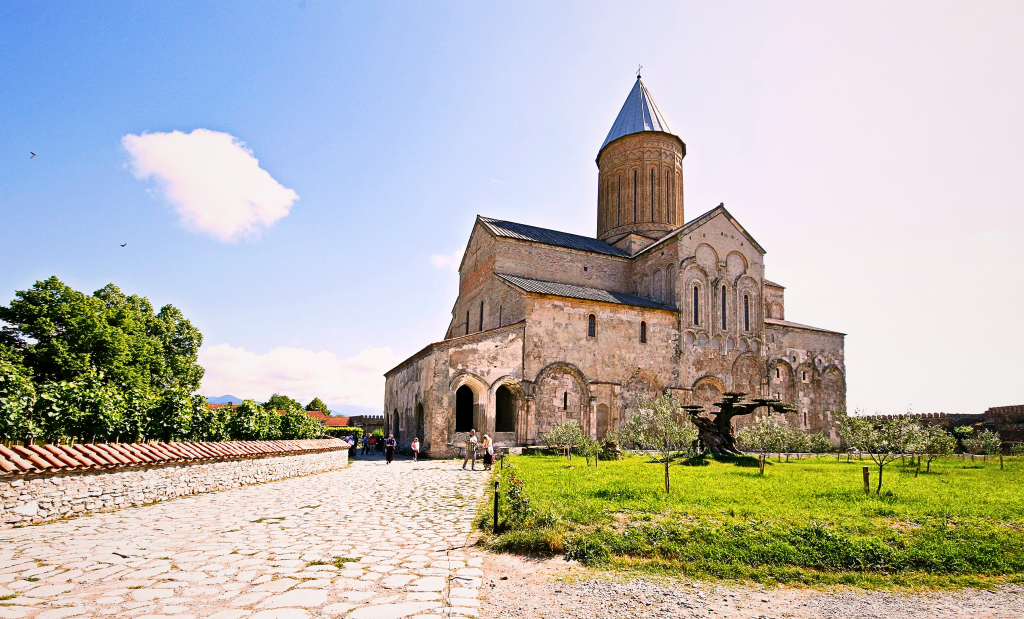
Kakheti, Georgia: The Cradle of Wine
If there’s one region on this list that demands your attention, it’s Kakheti. Georgia is recognized as the world’s oldest wine-producing region, with evidence of winemaking dating back 8,000 years.
Unique Characteristics: The traditional Qvevri method of fermenting and aging wine in large, beeswax-lined terracotta vessels buried underground produces powerful, unique wines. This is the global home of skin-contact white wines (often called “orange wine”).
Must-Try Grapes: The inky, age-worthy red Saperavi and the rich white Rkatsiteli.
Why Visit: To witness an unbroken, ancient tradition and experience unparalleled hospitality where the host ensures your glass is never empty.
Goriška Brda, Slovenia: The Emerald Hills
Often called “Slovenia’s Tuscany,” this tiny region sits right on the border with Italy’s Friuli region. It blends Italian elegance with Balkan flair.
Unique Characteristics: A beautiful hilly landscape dotted with medieval villages. Producers here are pioneers in the natural wine movement, focusing on minimal intervention and purity.
Must-Try Grapes: The local white Rebula (Ribolla Gialla) and the red Refošk.
Why Visit: It’s easy to navigate, exceptionally scenic, and a perfect stop for travelers moving between Venice and Vienna.
Moravia, Czech Republic: White Wine Wonders
Forget the Pilsner for a moment. Southern Moravia, particularly the area near Mikulov, is a beautiful landscape of rolling vineyards. While not well-known internationally, it produces surprisingly sophisticated wines.
Unique Characteristics: Moravia is dominated by white wines, known for their refreshing acidity and aromatic qualities. Its focus on cold-weather varietals gives its wines a unique character.
Must-Try Grapes:Pálava (a local cross between Müller Thurgau and Gewürztraminer) and Veltlínské zelené (Grüner Veltliner).
Why Visit: Charming villages, beautiful wine cellars (sklípky), and a laid-back, budget-friendly atmosphere.
Thracian Valley, Bulgaria: Ancient Roots, Modern Power
The Thracian Valley has a viticultural history stretching back to the ancient Thracian tribes, and even Homer wrote about their wine. Today, it’s a region experiencing a large-scale, quality-focused renaissance.
Unique Characteristics: A hot, dry climate ideal for producing rich, full-bodied reds with structure. Many large, modern estates are focused on producing export-quality products.
Must-Try Grapes: The indigenous red Mavrud, known for its deep color and tannic structure, and the local Melnik.
Why Visit: To taste big, powerful reds and explore historical sites near the ancient city of Plovdiv.
Istria, Croatia: Coastal Charm
While Dalmatia is famous for its bold reds, the heart-shaped peninsula of Istria offers a distinctly different, more Italianate wine experience.
Unique Characteristics: The influence of the Adriatic Sea creates unique mineral-driven flavors. The region is equally famous for its delicious cuisine, fresh seafood, and truffles.
Must-Try Grapes: The crisp white Malvazija Istarska (often aged on the skins) and the bold, earthy red Teran.
Why Visit: Gorgeous coastal towns like Rovinj and Poreč, combined with world-class food, make it an ideal foodie wine travel destination.
Tokaj, Hungary: The Wine of Kings
Tokaj is not exactly a hidden wine region, but its dry wines often are! Known historically as the producer of the world’s most famous sweet wine (Tokaji Aszú), the region is now gaining fame for its sophisticated dry white wines.
Unique Characteristics: Volcanic soil and misty air contribute to Botrytis (noble rot), essential for the sweet wines. Its dry wines are complex, mineral, and highly food-friendly.
Must-Try Grapes:Furmint (dry and sweet) and Hárslevelű.
Why Visit: Explore the vast, historical underground cellar systems and taste a wine once declared “Vinum Regum, Rex Vinorum” (Wine of Kings, King of Wines).
Transylvania, Romania: Dracula’s Vineyards
Yes, Romania has an amazing wine scene, and Transylvania offers a cool climate perfectly suited for aromatic white wines.
Unique Characteristics: The cool climate and high elevation allow the grapes to retain high acidity, producing elegant, fresh wines. The history here is deeply connected to ancient Roman and Dacian cultures.
Must-Try Grapes:Fetească Albă and Fetească Regală (both aromatic white varieties).
Why Visit: Combine fascinating wine tours with visits to medieval castles and the rich folklore of the region.
Mosel, Germany: Steep Slope Riesling
Wait, is Germany in Eastern Europe? No, but its Mosel region is often overlooked for its intense, slate-driven style of wine. It deserves a mention for its dramatic, unique vineyards.
Unique Characteristics: The steepest vineyards in the world (some over 60 degrees!) are hand-tended. The slate soil imparts a profound minerality to the wines.
Must-Try Grapes:Riesling (from dry to lusciously sweet) and Elbling.
Why Visit: Incredible views, challenging hikes, and some of the most balanced, age-worthy white wines on the planet.
Podravje, Slovenia: The Styrian Charm
Located in Slovenia’s eastern corner, Podravje shares its traditions with Austria’s Styria region. It focuses heavily on aromatic white wines.
Unique Characteristics: This region is known for producing quality sparkling wines and exceptional late-harvest sweet wines. Its climate is cooler and more continental than Istria’s.
Must-Try Grapes:Šipon (Furmint) and aromatic internationals like Traminer and Riesling.
Why Visit: Beautiful, small family farms and a chance to explore Maribor, home to the world’s oldest living grapevine.
Tikveš, North Macedonia: Balkan Powerhouse
North Macedonia has a long, warm growing season, making it a reliable source for big, ripe red wines that are almost unheard of outside the Balkans.
Unique Characteristics: The Mediterranean climate ensures full ripeness and concentration. Winemaking here is a major national industry, providing incredible price-to-quality ratios.
Must-Try Grapes: The indigenous red Vranac, which produces dark, high-alcohol wines with notes of dark fruit and spice.
Why Visit: Very affordable tasting fees, authentic Balkan cuisine, and a chance to experience the region’s intense wine culture.
Start Planning Your Next Vintage Adventure
The journey through hidden wine regions in Eastern Europe is more than just a tasting trip; it’s a deep dive into history, culture, and the very roots of viticulture. These wine travel destinations offer the kind of authentic, personal connection that simply can’t be found in more commercialized areas.
Whether you’re drawn to the ancient Qvevri of Georgia or the sophisticated dry Furmint of Hungary, your next great wine discovery is waiting.
What about you? Have you visited any Eastern European wine regions? Which one on this list has you ready to pack your bags? Share your thoughts and questions in the comments below. Let’s raise a toast to adventure!
What if I told you that sipping champagne in a five-star hotel lobby, dining at Michelin-recommended restaurants, and booking spa treatments doesn’t require a trust fund?
Three years ago, I stood in the marble floored lobby of the Park Hyatt Paris-Vendôme, clutching my crumpled backpack and wearing my favorite (slightly worn) travel sneakers. The concierge smiled warmly as I checked into my luxurious suite one I’d snagged for just 15,000 points earned through strategic credit card spending on everyday groceries. That moment sealed the truth I’d discovered after years of travel: luxury and budget aren’t opposites. They’re dance partners waiting for someone clever enough to introduce them.
Welcome to the world of budget luxury travel, where five-star experiences meet shoestring budgets, and where knowing a few insider secrets transforms your vacation from ordinary to extraordinary without emptying your bank account.
The Budget Luxury Mindset: Redefining Value
Before get into specific travel hacks, let’s reframe what “luxury” actually means. True luxury isn’t about spending the most money it’s about maximizing experiences and comfort relative to cost. It’s the art of strategic splurging on what matters most while cutting costs ruthlessly on what doesn’t.
Budget conscious travelers who master this mindset consistently enjoy better vacations than wealthy tourists who throw money around without strategy. The secret? Knowing where to invest your limited resources for maximum impact.
Affordable Luxury Accommodations: Where to Rest Like Royalty
The Points and Miles Game Changer
Hotel loyalty programs are your golden ticket to budget luxury accommodations. Major chains like Marriott, Hilton, IHG, and Hyatt offer some of the most accessible paths to luxury stays.
Here’s how to make it work:
Sign up for hotel credit cards strategically. Many offer sign-up bonuses of 75,000-150,000 points after meeting minimum spending requirements. That’s often enough for 3-5 nights at premium properties. You can stay at the St. Regis Maldives, Conrad Tokyo, and Ritz-Carlton Bali all on points and get the experiences that would have cost $500-1,200 per night paid in cash.
Focus on off-peak redemptions. The same suite that costs 70,000 points during peak season might only require 40,000 points on a Tuesday in low season. You’re getting identical luxury for 43% fewer points.
Status matching shortcuts luxury. Many hotel chains offer status matches or challenges. Hilton Gold status (which comes free with certain credit cards) gets you complimentary breakfast at most properties, room upgrades, and late checkout. That’s $30-60 per day in breakfast savings alone, plus access to spaces and perks that make you feel like a VIP.
The Boutique Hotel Sweet Spot
Major chains aren’t your only option for cost-effective travel. Boutique hotels often provide luxury experiences at mid-range prices, especially when booked strategically.
Search on Tablet Hotels, Mr & Mrs Smith, and Design Hotels for curated collections of stylish properties. These platforms frequently offer exclusive rates and perks like complimentary breakfast or spa credits that add substantial value.
Book directly after comparing prices. While OTAs show initial pricing, calling hotels directly or using their websites often yields better rates plus perks. Mention that you’re choosing between their property and a competitor and you’d be surprised how often they’ll throw in complimentary breakfast or room upgrades to secure your booking.
The Vacation Rental Luxury Loophole
For groups or longer stays, luxury vacation rentals deliver five-star amenities at three-star prices. You can rent four bedroom villa with infinity pool in Bali for $150/night (split four ways equals $37.50 per person). Parisian apartment overlooking the Seine for $120/night, and a beachfront property in Mexico with private chef services for less than a standard hotel room would cost.
Platforms like Vrbo, Airbnb Luxe, and PlumGuide specialize in verified luxury properties. Look for low season deals and properties slightly outside tourist zones you’ll get authentic neighborhood experiences plus significant savings.
Dining Like Royalty Without the Royal Budget
Food can make or break both your budget and your luxury experience. Here’s how to feast magnificently without financial heartbreak.
The Michelin Lunch Strategy
Michelin-starred restaurants typically offer lunch menus at 40-60% less than dinner prices. This will be same chef, same kitchen, same standards, fraction of the cost. In Paris, we enjoyed a three-course lunch at a one-Michelin-star bistro for €35($40), while dinner would have cost €90($104). The midday natural light actually enhanced the plating presentation.
Many starred restaurants also offer bar seating or counter dining where you can order à la carte at lower price points while still experiencing the culinary artistry.
Market Tours and Cooking Classes
One of my favorite affordable luxury experiences combines education with incredible food. Cooking classes in destinations like Thailand, Italy, and Morocco typically cost $50-100 and include market tours, hands-on instruction, and multi-course meals featuring local specialties.
You’re not just eating you’re learning skills you’ll use forever while connecting with local culture. Compare that to a single dinner at a tourist trap restaurant, and the value proposition becomes obvious.
Happy Hour and Aperitivo Culture
European aperitivo culture is budget luxury at its finest. In Italy, order one drink at aperitivo (typically 6-8pm) and you’ll have access to extensive buffets ranging from small bites to substantial spreads. You can turn €8($9.30) Aperol Spritzes into full dinners in Milan, Turin, and Rome.
Similarly, upscale hotel bars often feature happy hours with half-price cocktails and complimentary appetizers. That rooftop bar with stunning views? Much more affordable at 5pm than 9pm, with identical vistas and atmosphere.
The Breakfast Maximization Method
When hotels include breakfast, make it count. Load up on protein, fruits, and substantial foods that keep you satisfied until late afternoon. I’m not suggesting taking food to-go (unless the hotel explicitly allows it), but a hearty 10am breakfast can easily eliminate lunch costs.
Many luxury hotels offer breakfast buffets worth $30-50 per person. Getting that included in your rate through hotel status, package deals, or credit card benefits provides exceptional value.
Luxury Activities and Experiences on a Budget
Free Luxury: Museum Days and Cultural Passes
Most major cities offer free museum entry one day per week or month. Paris museums are free the first Sunday of each month. London’s world-class museums are always free. NYC offers “pay what you wish” hours at several major institutions.
City passes bundle attractions at significant discounts. The Paris Museum Pass ($160 for six days) covers over 60 museums and monuments, plus skip the line access a luxury worth hundreds in time savings alone.
Low Season Activity Pricing
Popular activities often feature dynamic pricing. That $200 hot air balloon ride in Cappadocia? It drops to $120 in November. The luxury catamaran cruise in Santorini? Expect 40% discounts in May or October compared to peak July prices.
You’re getting identical (often superior) experiences with smaller crowds and better weather, plus the luxury of personalized attention from guides who aren’t rushing through back to back tours.
Spa Treatments at Luxury Hotels (Without Staying There)
Here’s an insider secret: Most luxury hotel spas accept outside guests. You don’t need to book a $600/night room to access their $120 massage. Many offer day passes that include spa access, fitness facilities, and pool areas.
In Southeast Asia particularly, luxury spa treatments cost a fraction of Western prices. I’ve enjoyed 90-minute massages at five-star resort spas in Thailand and Bali for $30-50 treatments that would cost $200 in the US.
Leverage Experience Booking Platforms
Platforms like Viator, GetYourGuide, and Klook often feature flash sales and promo codes for luxury experiences. Sign up for newsletters and follow them on social media for deals on everything from private yacht charters to helicopter tours.
I’ve snagged 30% discounts on private food tours, buy one get one deals on wine tastings at prestigious vineyards, and early-bird pricing on hot-air balloon rides and many experiences that felt extravagant but fit comfortably within my budget.
Transportation: Traveling in Style Without the Price Tag
Flight Upgrades Through Points and Bidding
Business class flights can be surprisingly affordable through points programs. I regularly fly business class to Europe for 60,000-70,000 points one-way ticket that costs $3,000-5,000 in cash. The comfort, service, airport lounge access, and arrival experience justify focusing your points strategy here.
Can’t access award space? Plus-up and bidding programs let you bid points or cash for upgrades. You can successfully bid $180 for a business class upgrade on a 10-hour flight about $18/hour for lie flat seats, premium meals, and priority service.
Luxury Ground Transportation Hacks
Skip expensive airport taxis by pre-booking private transfers through your hotel. They’re often comparable to taxi costs but provide the luxury of name-sign greetings and professional service.
For special occasions, Turo and similar platforms let you rent luxury vehicles at consumer-to-consumer prices rather than premium rental agency rates. That Mercedes convertible for your coastal drive? Often cheaper than you’d expect.
Train Travel First Class
In Europe and Asia, first-class train tickets often cost just 20-40% more than standard class while providing spacious seating, complimentary food and beverages, quieter carriages, and often lounge access. It’s an affordable luxury that transforms travel time into enjoyable experiences rather than mere transportation.
Timing Is Everything: When Budget Meets Luxury
The single most powerful budget luxury strategy is traveling during low or off-peak seasons. This one decision cascades benefits across every aspect of your trip:
Hotel rates drop 30-60%
Flights cost significantly less
Popular sites have manageable crowds (a luxury in itself)
Restaurants have availability without reservations
Service providers offer better rates and more attention
Weather is often ideal (avoiding extreme summer heat or winter cold)
I’ve traveled to Italy in November, Japan in February, Greece in May, and Portugal in October, all sublime experiences at prices that made luxury accessible.
The Credit Card Strategy for Budget Luxury Travel
This might be the most important section for maximizing affordable travel luxury. Strategic credit card use accelerates your access to premium experiences dramatically.
Focus on cards offering:
High sign-up bonuses (75,000+ points)
Bonus categories matching your spending (dining, groceries, gas)
Annual free night certificates (many hotel cards offer these)
Travel credits offsetting annual fees
Premium travel benefits (lounge access, travel insurance, hotel status)
A typical strategy involves opening 2-3 travel cards per year, meeting minimum spending requirements organically through normal expenses, and converting those points into luxury experiences worth 5-10 times what you “paid” through annual fees.
The key is paying balances in full monthly. Interest charges instantly negate all benefits. Used responsibly, travel rewards programs are the ultimate budget luxury hack.
Packing Like a Luxury Traveler on Any Budget
Luxury isn’t just about where you stay—it’s how you feel throughout your journey. Investing in quality basics elevates every experience:
A great carry-on bag eliminates checked luggage fees and stress ($200-300 one-time investment)
Merino wool clothing looks polished, resists odors, and requires less packing (luxury is traveling light)
Noise-canceling headphones transform coach into first-class tranquility ($200-300)
A portable battery pack ensures you’re never scrambling for outlets like a budget backpacker
Quality toiletries in TSA-approved containers let you skip hotel miniatures and feel at home
These investments pay dividends across every trip, making budget travel feel infinitely more luxurious.
The Budget Luxury Traveler’s Final Wisdom
After years of perfecting this approach, I’ve learned that true luxury isn’t about spending the most—it’s about experiencing the most per dollar spent.
The most profound travel moments rarely correlate with cost. That impromptu conversation with a Roman chef. The sunrise viewed from your points-booked overwater bungalow. The perfectly ripe peach from a French market. The sense of belonging you feel in a neighborhood far from tourist zones.
Budget luxury travel isn’t about deprivation or cutting corners—it’s about strategic choices that maximize joy, comfort, and memorable experiences while respecting financial reality. It’s entirely possible to feel like a million bucks without spending it.
Start with one strategy from this guide. Maybe it’s signing up for a hotel loyalty program, booking that Michelin lunch, or planning your next trip for shoulder season. Small changes compound into transformative travel experiences.
The world’s luxury isn’t reserved for the wealthy—it’s available to anyone willing to learn the system, plan strategically, and travel smart. Your next five-star experience is closer than you think, and it absolutely fits within your budget.
Now stop reading and start planning. That affordable luxury adventure is waiting.
What’s your favorite budget luxury travel hack? Share your experiences in the comments below—I’d love to hear how you’re unlocking premium experiences without premium prices!
There’s a special kind of traveler. The kind who plans their itinerary around a local market, a hidden vineyard, or the best place to get a late-night bite. You’re not just going to a place; you’re going to taste it. But a great culinary adventure can turn sour quickly with a packing mistake. A shattered bottle, a leaky container, or a forgotten tool can ruin a perfect memory.
I’ve been there. I once had a bottle of local olive oil leak all over my suitcase, turning my clothes into a salad dressing disaster. It was a lesson learned the hard way.
Whether you’re visiting Napa, a small village in Italy, or a bustling market in Mexico, packing smart is key to bringing a piece of your journey home. Here’s your definitive guide on what to bring and what to leave for the perfect wine and food-focused trip.
The Essentials: What to Pack in Your Bag
Your packing list should be as curated as your itinerary. Here are the must-have items that make all the difference.
A Compact Corkscrew: This might seem obvious, but how many times have you been in a beautiful hotel with a fantastic local bottle, only to realize you have no way to open it? A simple, winged corkscrew is a wine travel essential.
Packable Wine Glasses: Say goodbye to those clunky, plastic wine glasses. Brands now make elegant, shatter-proof glasses that pack flat. They give you the proper tasting experience anywhere.
Reusable Wine Bottle Protectors: These are lifesavers. They’re inflatable bags or padded sleeves that cushion your wine bottles. They fit easily into your checked luggage and save you from the heartbreak of a shattered bottle.
A Foldable Tote Bag: This is a non-negotiable item. Use it for your local market haul, your wine purchases, or as a secondary carry-on for your souvenirs.
A Small Knife and Cutting Board: If you plan on having a picnic with local cheese and cured meats, this is a must. A small, multi-tool knife and a thin, bamboo cutting board take up no space at all.
A smart traveler knows what to leave behind. Avoiding these common mistakes will save you a world of trouble.
Don’t Rely on Carry-On: You can’t bring a full bottle of wine on a plane. The TSA limits liquids. Check your bag. That said, some small, travel-sized spirits are sometimes allowed. Always double-check with your airline.
Don’t Overlook a Cooler Bag: If you’re buying cheese, cured meats, or other perishables, a small, collapsible cooler bag is a great idea. It will keep your items at the right temperature for the journey home.
Don’t Underestimate Air Pressure: Olive oil, vinegars, and other liquid food items can expand under air pressure. Transfer them to a smaller, sealed container to avoid messy leaks.
Don’t forget the Customs Rules: Always check the customs regulations for your home country. Many countries have limits on how much alcohol or food you can bring back.
Don’t Buy Too Much Wine: This sounds crazy, but be realistic. Most airlines charge for overweight luggage. An extra suitcase dedicated to wine is a better and safer option.
This is the most common concern for travelers. Here’s how to bring your prized bottles home in one piece.
Check the Airline Rules: Every airline has different rules regarding alcohol. Generally, it’s allowed in checked baggage, but there may be quantity limits.
Use a Dedicated Wine Suitcase: If you plan on buying several bottles, investing in a hard-case wine suitcase is your best bet. It has foam inserts and is designed to protect your bottles.
Pack Light: If you don’t have a wine suitcase, you can use your clothes as padding. Roll your bottles in sweaters and place them in the center of your bag, surrounded by other soft items. Make sure they can’t shift around.
Bringing back local flavors is half the fun. Here’s how to do it without a mess.
Cheese: The best way to transport cheese is to buy it vacuum-sealed. If the cheese isn’t sealed, you can ask the vendor to seal it for you. Place it in a zip-lock bag and then into a cooler bag.
Spices and Herbs: These are the easiest to transport. Put them in small, sealed containers and place them in your checked bag.
Olive Oil and Sauces: The best way to travel with these is to buy smaller, metal containers. They are much less likely to break than glass bottles. If you must use glass, put it in a separate sealed bag.
Happy Travels, And Bon Appétit!
Traveling with wine and food is a rewarding experience. It’s a way to keep the memory of your trip alive long after you’ve returned home. By packing smart and knowing what to expect, you can ensure your culinary treasures make it home safely.
What are your favorite packing tips for wine lovers? Share your secrets in the comments below!
Sign up for our newsletter to get more exclusive tips on how to travel better and eat well!
Do you ever feel like you’re drinking the same five wines over and over? You know the ones, the familiar Cabernet Sauvignon from Napa, the classic Sauvignon Blanc from New Zealand, and the ever-present Malbec from Argentina. They’re delicious, of course, but the wine world is a globe-sized library with countless stories waiting to be discovered.
I remember my first “aha” moment. I was at a small wine bar, and the sommelier handed me a glass of something I’d never heard of, which was a white wine from a region called Kakheti in Georgia. One sip, and I was transported. The taste was unlike anything I had ever tried, a complex blend of apricot and spice with a golden, almost amber hue. It was a reminder that the most rewarding discoveries are often found off the beaten path.
If you’re ready to expand your palate and impress your friends with your newfound knowledge, you’ve come to the right place. Forget the usual suspects. Here are 10 hidden wine regions around the world that are producing world-class wines you need to know about.
1. Kakheti, Georgia
Considered the birthplace of wine, Kakheti is a region where winemaking isn’t just a business, it’s an ancient art form. Its history stretches back over 8,000 years, and it’s here that you’ll find the unique practice of fermenting and aging wine in large clay vessels called qvevri, buried underground. This traditional method gives the wines a distinctive, earthy character.
Notable Wines: Seek out Saperavi, a deeply colored, full-bodied red, and Rkatsiteli, a crisp white that is often made as a unique “amber wine.”
Why It Deserves Attention: For a taste of history itself, this is as close as you can get to drinking wine in its original form, a true journey back in time.
2. Bairrada, Portugal
While Portugal’s Douro Valley gets all the attention for its Port, the coastal region of Bairrada is a secret among wine enthusiasts. The climate here is perfectly suited for the region’s indigenous Baga grape, which is known for its structure and tannins. These wines are often described as earthy and powerful, with notes of dark berries and tobacco.
Notable Wines: Wines made from Baga, as well as some fantastic sparkling wines known as Baga Espumante.
Why It Deserves Attention: It’s an underrated wine destination for those who appreciate red wines with a rustic character and excellent aging potential.
3. Central Otago, New Zealand
You’ve heard of Marlborough Sauvignon Blanc, but have you heard of Central Otago Pinot Noir? This is the world’s southernmost wine region, and its dramatic, alpine landscape is the perfect home for the notoriously finicky Pinot Noir grape. The region’s unique microclimate, with hot summers and cold winters, creates exceptionally complex and elegant wines.
Notable Wines: Central Otago Pinot Noir is the star, known for its deep fruit flavors of cherry and plum, with an earthy minerality.
Why It Deserves Attention: It rivals the quality of top French Pinot Noir regions at a more accessible price. It’s also one of the most breathtakingly beautiful wine regions on the planet.
4. Valle de Guadalupe, Mexico
Just an hour and a half south of San Diego lies a desert oasis that is quickly becoming a culinary and viticultural hotspot. Valle de Guadalupe is a vibrant region with a rugged, laid-back vibe. Its Mediterranean-like climate allows for a wide range of grape varieties, and the culture is a fantastic fusion of traditional Mexican hospitality and a modern, farm-to-table food scene.
Notable Wines: The region produces excellent Tempranillo, Nebbiolo, and Cabernet Sauvignon.
Why It Deserves Attention: It’s an easy-to-reach, off-the-beaten-path wine region that offers incredible food and a truly unique cultural experience.
5. Constantia, South Africa
Located in the foothills of Cape Town, Constantia is one of the oldest wine regions in the New World. Dating back to 1685, this region was once famous for its sweet dessert wines that were enjoyed by European royalty. Today, it’s making a comeback with both its classic dessert wines and a range of excellent dry wines.
Notable Wines: The legendary dessert wine Vin de Constance, as well as world-class Sauvignon Blanc and Chenin Blanc.
Why It Deserves Attention: It’s a historic region producing modern masterpieces, all with a stunning mountainous backdrop.
6. Tokaj, Hungary
Hungary is most famous for its sweet wine, and Tokaj is the queen of them all. This region was one of the first in the world to be classified, a testament to its unique, noble rot wines. Made from indigenous Furmint and Hárslevelű grapes, these wines are known for their complexity and rich flavors of honey, apricot, and spice.
Notable Wines:Tokaji Aszú, a decadent sweet wine. The region also produces excellent dry Furmint.
Why It Deserves Attention: For anyone who loves dessert wines, this is the ultimate pilgrimage. The sweet wines are complex and can age for decades.
7. Alto Adige, Italy
This Italian region, with a strong Austrian influence, is hidden away in the foothills of the Alps. The winemaking here is meticulous, combining old-world tradition with new-world precision. It is best known for its crisp, aromatic white wines and is a perfect spot for those who prefer lighter, more refreshing styles.
Notable Wines: Crisp and elegant Pinot Grigio, aromatic Gewürztraminer, and a delicate red known as Lagrein.
Why It Deserves Attention: It’s a paradise for white wine lovers with a backdrop of some of the most stunning alpine scenery in Europe.
8. Okanagan Valley, Canada
Yes, Canada! While most people associate Canadian wine with ice wine, the Okanagan Valley in British Columbia is a cool-climate powerhouse. Its vineyards are located on the shores of sparkling lakes, surrounded by towering mountains. The region is producing expressive, elegant wines that are gaining international acclaim.
Notable Wines: Excellent Riesling, Pinot Noir, and Pinot Gris.
Why It Deserves Attention: It showcases the potential of a country not known for its wine, offering beautiful landscapes and a focus on quality.
9. Tasmania, Australia
Often overshadowed by mainland Australian wine regions, the island of Tasmania is a rising star in the cool-climate wine world. Its southern latitude and chilly temperatures make it ideal for growing grapes that thrive in cooler weather.
Notable Wines: World-class Pinot Noir and exceptional sparkling wines that are often compared to those from Champagne.
Why It Deserves Attention: The island is a hub for high-quality, elegant wines, and its unspoiled natural beauty makes it a dream destination for travel.
10. Finger Lakes, USA
While California gets all the glory, the Finger Lakes region in upstate New York is a hidden gem for cool-climate viticulture. The deep, glacial lakes create a unique microclimate that protects the vines from harsh winters, allowing a specific grape to thrive.
Notable Wines: The region is a global leader in Riesling, from bone-dry to lusciously sweet. They also produce great Pinot Noir and Cabernet Franc.
Why It Deserves Attention: For a world-class wine experience right in the U.S., you don’t need to fly across the country. It’s a testament to the fact that great wine can be found in unexpected places.
The next time you’re at the store or planning a trip, look beyond the familiar. The world is full of undiscovered wine regions just waiting to surprise and delight you.
Have you ever stumbled upon a hidden wine region? Share your favorite find in the comments below!
Let’s be honest. Taxis and rideshare apps are easy. They get you from a hotel to a landmark without a second thought. But what do they truly give you? A quick ride, a fixed fare, and the same view out a closed window.
What if you could make your next trip a genuine adventure? What if you could see the city the way the locals do, one street at a time? This is your no Uber travel guide to trading convenience for discovery. It’s about putting your feet on the pavement, using a local’s transportation, and experiencing a city on its own terms. Ready to find the hidden gems? Let’s go.
Why Ditching the Ride Makes Sense
The most authentic travel experiences happen when you let go of your reliance on a phone and a car. By choosing to explore on foot, you save more than just money on gas and fares. You save the planet and get a front-row seat to the real city. You’ll find the hidden cafes, hear conversations in another language, and get a true feel for a neighborhood.
Studies even show that exploring a city on foot improves your mood and mental well-being. It’s a chance to put down the phone, look up, and be present. You get a taste of local life, from the city’s bus routes to its secret stairways.
A Glimpse from the Top: The Strategic Bus Tour
Sometimes, you just need a lay of the land. Before you commit to walking the whole city, a bus tour can be a smart, strategic starting point.
Most major cities have hop-on hop-off buses, like Big Bus Tours or City Sightseeing, that travel a fixed route of the main landmarks. You can ride the full loop once to get your bearings, learn some history from the audio guide, and make a mental map of places you want to come back to. These tours are best for orientation, not for a deep dive. Use your ticket to see the major sights from the top deck, then hop off and use a different method to truly explore a specific neighborhood that caught your eye.
Be Your Own Tour Guide: The Art of the Walking Tour
A traditional walking tour is about the joy of discovery. It’s an immersive experience a bus can’t provide. You get to feel the cobblestones under your feet and get up close to the historical markers. A self-guided tour is one of my favorite walkable city travel tips.
Go Solo: Download an app likeizi.TRAVEL or VoiceMapto get a free audio guide you can follow at your own pace. These guides are often created by local experts and reveal the city’s best secrets.
My Best Discovery: The Chicago Pedway
The Chicago Pedway is Chicago’s downtown pedestrian walkway system, and it lies in the heart of the city. This system of underground tunnels and overhead bridges links more than 40 blocks in the Central Business District, covering roughly five miles. The Pedway connects public buildings, private buildings, and transit facilities serving the CTA, Metra, Amtrak, and the Northern Indiana Commuter Transportation District (NICTD).
The best part of traveling on foot is when a happy accident leads you to a discovery you never planned. My friend and I were in Chicago on a chilly day, with that famous wind whipping down the city streets. We were freezing and about to give up on our walk when we saw a small, unassuming sign for the Pedway.
We ducked inside to get away, and in doing so, we found a whole secret city! It was a maze of tunnels below the city’s streets, with bakeries, coffee shops, and little stores we never would have seen from above. We ended up walking for an hour, completely lost and loving it, until we popped out in the lower level of Macy’s. That unexpected discovery was one of the highlights of our whole trip.
So, the next time you travel, why not leave the rideshare app on the back burner? Embrace the rhythm of the city, find a new path, and discover what’s just around the corner.
Comment below and tell me about the best discovery you ever made on foot! Share this no Uber travel guide with a friend, and follow along for more walkable city travel tips to make your next trip unforgettable.
Remember that feeling? The one where you’re racing through airport terminals, frantically trying to catch a flight, only to land in a new city with a packed itinerary that leaves you breathless. You’re ticking boxes, snapping photos, and moving on to the next “must-see” landmark. You’ve seen the world, but have you truly experienced it?
This is the reality of “fast travel.” But there is a better way to travel..
Enter the world of slow travel. This philosophy is a quiet rebellion against the frantic pace of modern life. It’s a mindset that encourages you to trade hurried itineraries for the luxury of time. It’s about more than just a trip; it’s about meaningful travel tips that transform a journey into a deeper connection with a place and its people. This is your ultimate slow travel guide to living like a local, embracing cultural immersion, and finding joy in the unhurried moments.
5 Meaningful Travel Tips for the Slow Traveler
For a first-timer, embracing the slow travel mindset can feel daunting. But it’s not about being idle; it’s about being intentional. Here’s how you can get started.
1. Stay Longer in One Place.
Forget the “three cities in five days” trip. Choose one or two destinations and spend a week or more in each. This allows you to unpack, settle in, and truly get to know your surroundings. It’s the difference between admiring a painting in a gallery and living inside it.
Tip: Consider a destination that exemplifies the slow pace, like Luang Prabang, Laos, or West Cork, Ireland. These places are built for leisurely exploration.
2. Ditch the Itinerary.
Fast travel is a checklist. Slow travel is a blank page. Instead of a minute-by-minute schedule, pick one or two must-do activities per week. The rest of your time is for spontaneous discovery. Maybe you’ll stumble upon a local street market or find a hidden café where the owner knows your name. That’s where the real magic happens.
3. Rethink Your Transportation.
Instead of flying between cities, take a train. The journey itself becomes part of the adventure. In a new town, walk, cycle, or use local buses. You’ll see things you’d never see from a taxi window, and you’ll instantly connect with the rhythm of daily life. This also aligns with sustainable travel practices by reducing your carbon footprint.
4. Connect with the Community.
A true slow traveler seeks to connect. Instead of staying in a chain hotel, book an Airbnb or a locally owned guesthouse. Shop at farmers’ markets. Learn a few phrases of the local language. Eat where the locals eat. Consider using apps like Couchsurfing o Meetup or airbnb to find local events and make new friends.
5. Embrace Downtime.
Slow travel isn’t about doing nothing; it’s about being okay with doing less. Spend an afternoon reading in a park or people watching from a café. This travel mindfulness allows your mind and body to relax, ensuring you return home feeling rejuvenated, not exhausted.
The Top 5 Benefits of Slow Travel
Why choose the slower path? The benefits of slow travel go far beyond just saving money. They change how you view the world and yourself.
1. Deeper Cultural Immersion
When you slow down, you become a participant, not just an observer. You have the time to learn how to make a regional dish, attend a local festival, or simply have a long, meaningful conversation with a shopkeeper. As a study by Vaya Adventures found, slow travelers are more likely to forge genuine connections with locals, which often become the most memorable parts of their journey.
2. Enhanced Mental Well-being & Reduced Stress
The constant pressure to “see it all” can lead to burnout. In fact, a recent survey found that 28% of travelers are now prioritizing mental health and well-being. By letting go of the need to rush, slow travel reduces travel-associated stress and allows you to truly reset. It’s a natural form of digital detox.
3. It’s More Sustainable
Why slow travel beats fast travel is simple: it’s better for the planet. By choosing trains over planes and walking instead of driving, you significantly reduce your carbon footprint. You also support local economies by staying in locally owned establishments and buying directly from small businesses, which is a key part of ethical tourism.
4. You Save Money
This might seem counterintuitive, but slow travel is often more budget-friendly. Long-term rentals are typically cheaper per night than short-term ones. Cooking at home with ingredients from a local market is far more affordable than eating out every meal. You also eliminate the cost of constant flights and long-distance transportation.
5. A Path to Personal Growth
Slow travel is a journey of self-discovery. By stepping away from the daily grind and embracing a foreign culture, you are forced to adapt, learn, and grow. You have the time to journal, reflect on your life, and see the world from a different perspective. It builds resilience and fosters a deeper appreciation for the world’s diverse ways of life.
Tools for the Mindful Traveler
Embracing this new way of travel is a journey, and having the right tools can make all the difference.
For Staying Organized: Don’t let your mind race. Use a project management app like Notion to keep all your travel notes, bookings, and ideas in one place.
For Staying Connected: For longer trips, an eSIM service like GigSky offers reliable internet across multiple countries, so you’re not scrambling for local SIM cards.
For Learning: A language learning app like Duolingo can help you learn a few phrases to connect with locals.
For Packing Light: A digital luggage scale and compression packing cubes can be game changers, making it easier to move around.
Your Journey Awaits
Travel is not about what you see; it’s about what you feel. The stories you’ll tell won’t be about the ten landmarks you saw in a day, but about the conversations you had over coffee, the unexpected friendships you made, and the quiet moments that truly changed you.
This is your invitation to slow down. Embrace the art of living in the moment. Your next adventure doesn’t need to be a race. It can be a deep, rewarding journey.
Are you ready to embrace the art of slow travel? Tell us in the comments









![boats docked near seaside promenade]](https://images.unsplash.com/photo-1555881400-74d7acaacd8b?fm=jpg&q=60&w=3000&ixlib=rb-4.1.0&ixid=M3wxMjA3fDB8MHxwaG90by1wYWdlfHx8fGVufDB8fHx8fA%3D%3D)